EN


Technical Rescue Truck Functions for Emergency Teams
When an incident involves a crushed vehicle, a collapsed structure, a rope-access problem, or a confined space, the first challenge is not simply arriving fast. The team needs a safe, organized way to bring specialized tools, power, lighting, communications, and protective equipment to the working edge. That is the purpose of a technical rescue truck: it serves as a mobile operational platform that brings specialized capabilities to the working edge. It is a mobile operational platform that helps emergency teams turn a difficult scene into a controlled rescue operation.
From a responder’s point of view, the useful question is not “How many tools fit on the truck?” It is “Can the crew locate, deploy, operate, and repack the right equipment without creating a second hazard?” A well-planned technical rescue truck supports that sequence, from the first tool request through post-incident accountability. It can complement a fire engine or water-carrying apparatus, but its principal job is to support specialized rescue tasks.
1. It carries specialized rescue equipment in a ready-to-deploy layout
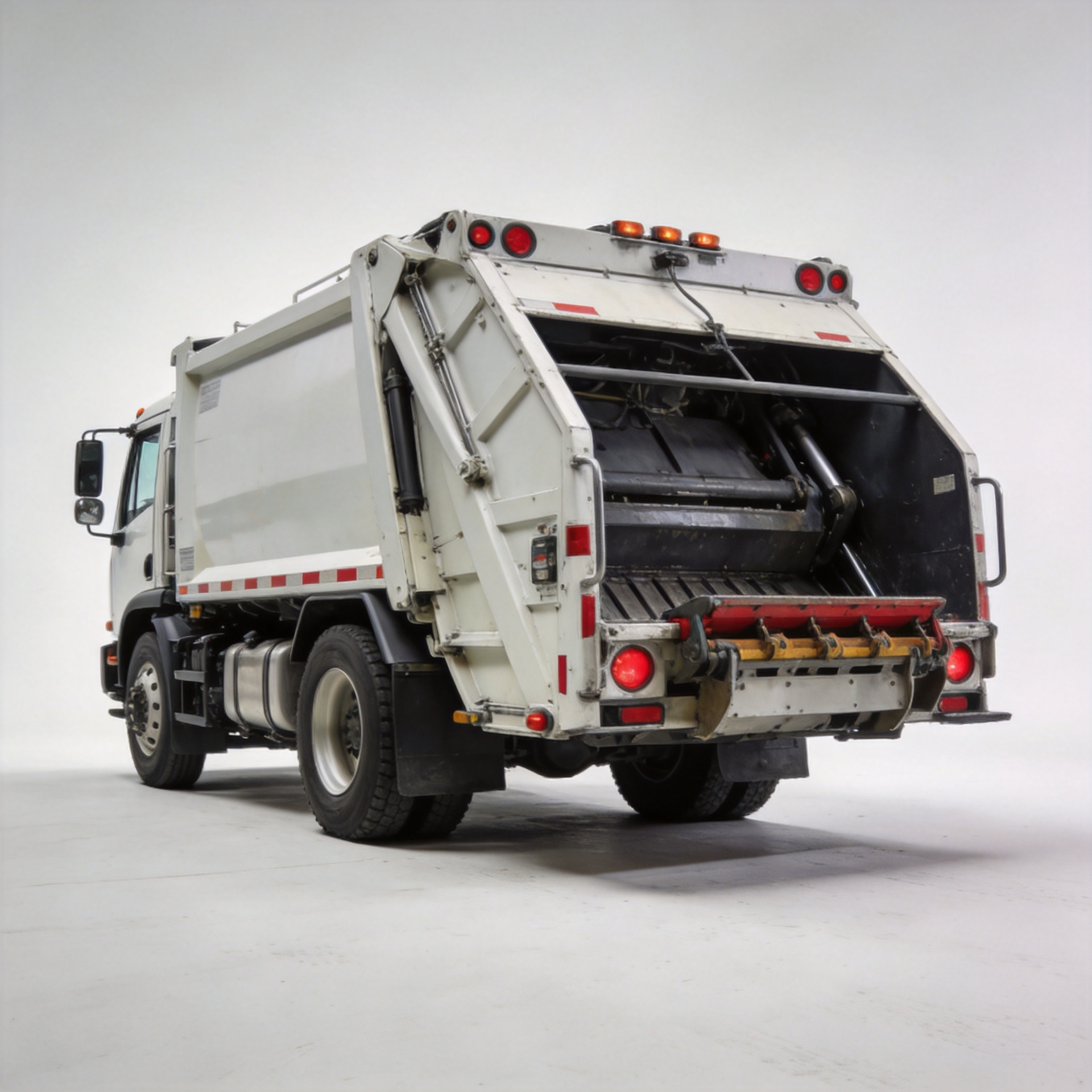
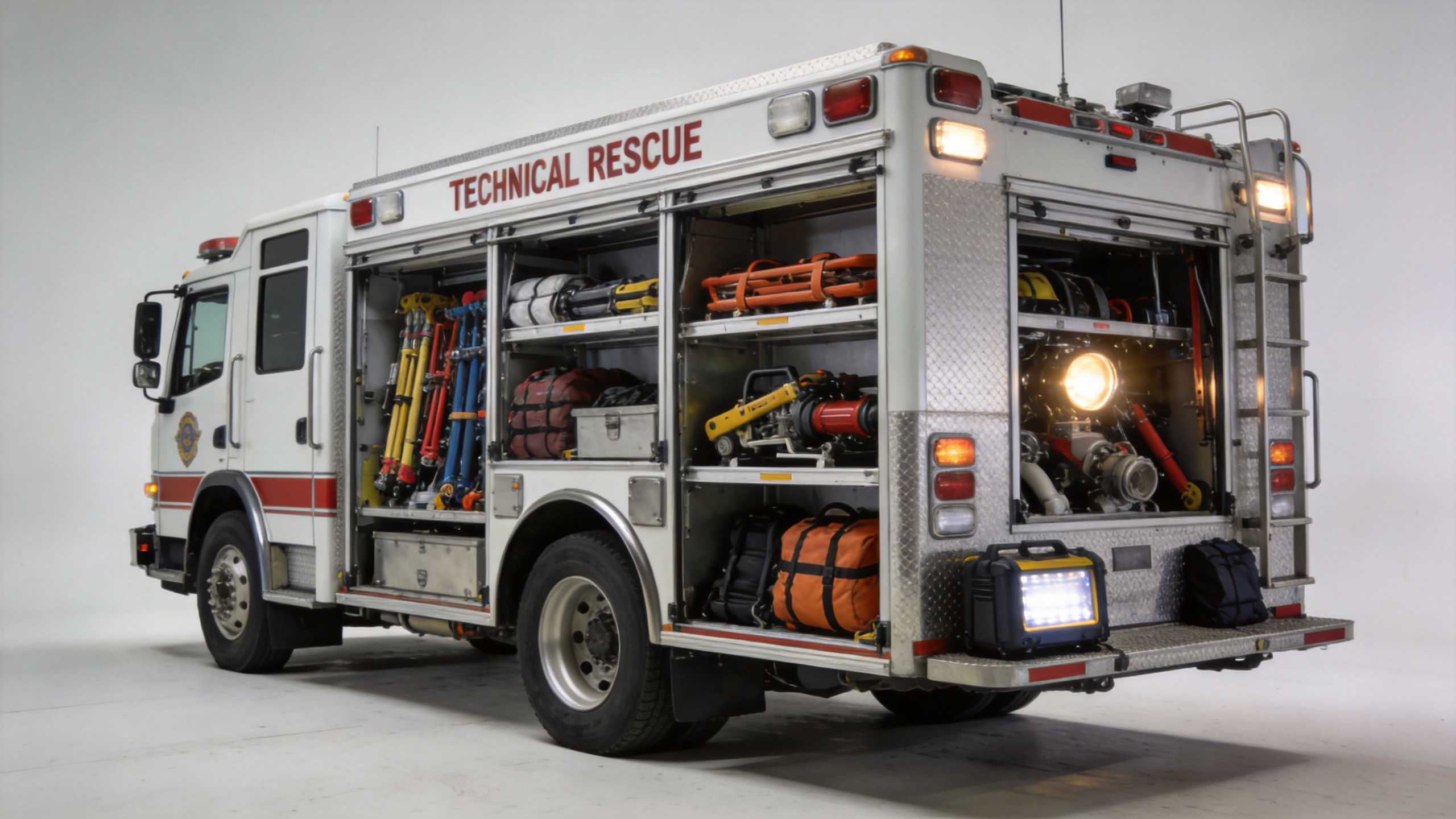
The core function of a technical rescue truck is protected, accessible storage, because rapid access is central to a technical rescue truck deployment. Rescue teams may need hydraulic extrication tools, cribbing and shoring materials, rope-rescue hardware, lifting bags, cutting tools, search equipment, medical kits, and personal protective equipment. Compartments let crews group those items by task and keep them secured while the vehicle is moving.
Layout matters as much as capacity. Frequently used equipment should be reachable from ground level and identified clearly. Heavier items need slide-out trays, rated mounts, or mechanical assistance so that a hurried crew does not injure a member while unloading. In a multi-hazard response, crews should be able to open one compartment for stabilization and another for medical support rather than unpacking an entire vehicle to find one component.
This organization improves accountability after the incident as well. A documented compartment plan makes it easier to check whether gear has been cleaned, serviced, returned, or removed from service after use.
2. It provides scene power, lighting, and equipment support
Many technical operations continue after dark or inside damaged buildings where normal lighting is unavailable. In these conditions, a technical rescue truck can provide scene lights, portable light towers, cable management, and electrical distribution for approved equipment. These functions improve visibility around a vehicle extrication zone, an access route, or a command area.
Power support is also useful for charging communication devices, running selected rescue tools, and supporting scene documentation. The exact configuration must match local procedures and equipment ratings. The point is not to attach every device at once; it is to deliver controlled power where the incident commander and rescue group need it.
Good lighting is a safety function, not a cosmetic feature. It helps operators see hand placement, trip hazards, damaged structures, and the boundaries of an exclusion zone. Exterior warning lights and reflective markings also make the vehicle more visible when it is parked near traffic or heavy equipment.
3. It supports vehicle extrication and stabilization
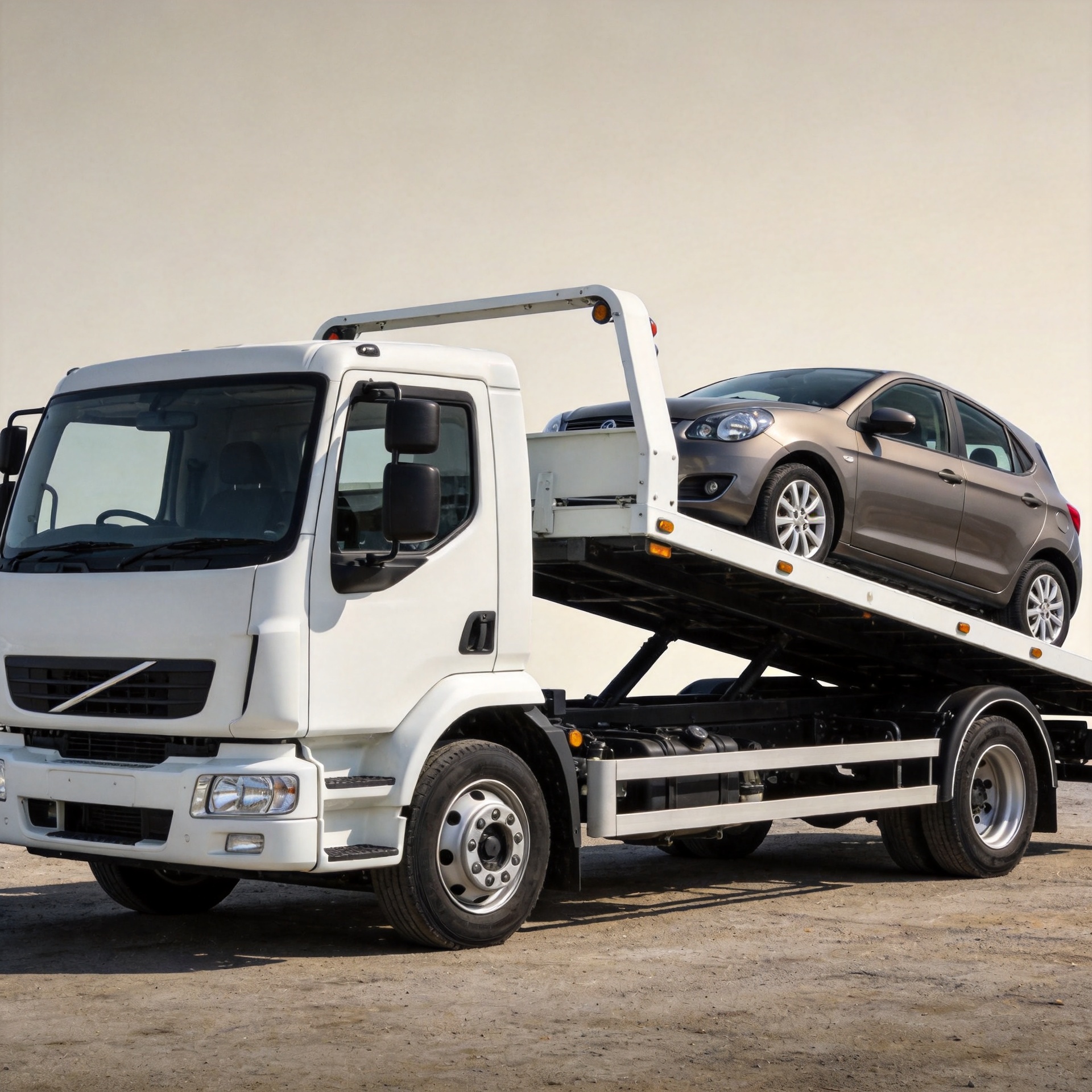
Road collisions, machinery incidents, and vehicles that strike structures often require more than basic fire suppression. A technical rescue truck can carry the equipment used to stabilize an unstable vehicle, create access, and protect occupants while a coordinated team works. Typical categories include stabilization devices, cribbing, hydraulic rescue tools, hand tools, glass-management supplies, and patient-protection materials.
These tools do not replace trained judgment. Technical-rescue qualification frameworks such as NFPA 1006 focus on the job performance capabilities of personnel, which is a useful reminder that a vehicle only supports the system of training, command, and operational procedure behind it. Equipment selection should therefore reflect the rescue scenarios a team actually handles, from passenger-vehicle incidents to larger commercial vehicles.
A rescue unit can also preserve the working area by keeping tools in labeled compartments until the rescue officer calls for them. That reduces clutter near the patient and enables a safer handoff between initial responders and a specialist team.
4. It enables rope, confined-space, and structural rescue readiness
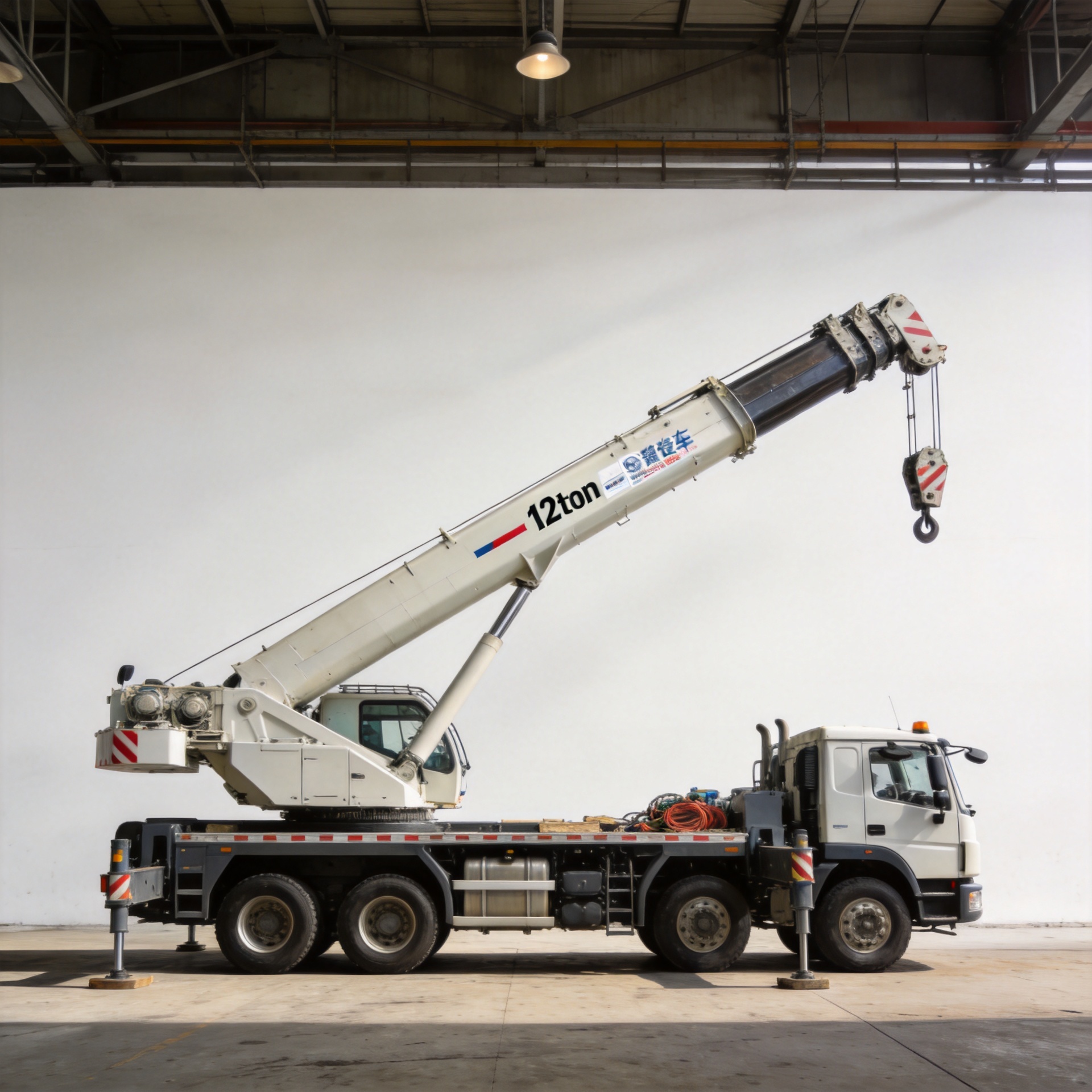
Technical rescue teams may be called for low-angle or high-angle rope work, tower access, trench or collapse incidents, and confined-space emergencies. No single technical rescue truck can make every scene safe on its own, but a technical rescue truck gives the team a controlled transport and staging point for the equipment those disciplines require.
For rope operations, this may include ropes, anchors, edge protection, harnesses, helmets, descent and hauling hardware, and patient packaging equipment. For confined-space readiness, a team may need atmospheric monitoring, retrieval components, ventilation equipment, communication support, and appropriate protective gear. For structural incidents, search tools, shoring materials, marking supplies, and debris-management equipment can be organized for rapid access.
Each loadout should be based on a documented risk assessment. Teams should verify inspection intervals, weight limits, compatibility, and local standards before use. Carrying equipment on a truck is not the same as being prepared to perform a rescue with it.
5. It improves command, communications, and crew coordination
At a complex scene, a technical rescue truck can function as a practical support point for the rescue group. Radios, spare batteries, incident paperwork, scene diagrams, portable signage, and equipment checklists can be stored where crews can find them. On a complex incident, that reduces unnecessary movement between apparatus and helps leaders track what has been deployed.
The vehicle may also provide a clean location for pre-entry checks, equipment staging, rehabilitation supplies, or a briefing before a specialized team moves into a hazard area. The goal is to create order without turning the truck into a substitute for the incident command system. Clear roles, accountability, and communication channels remain essential.
6. It can integrate with fire-suppression and water-support resources
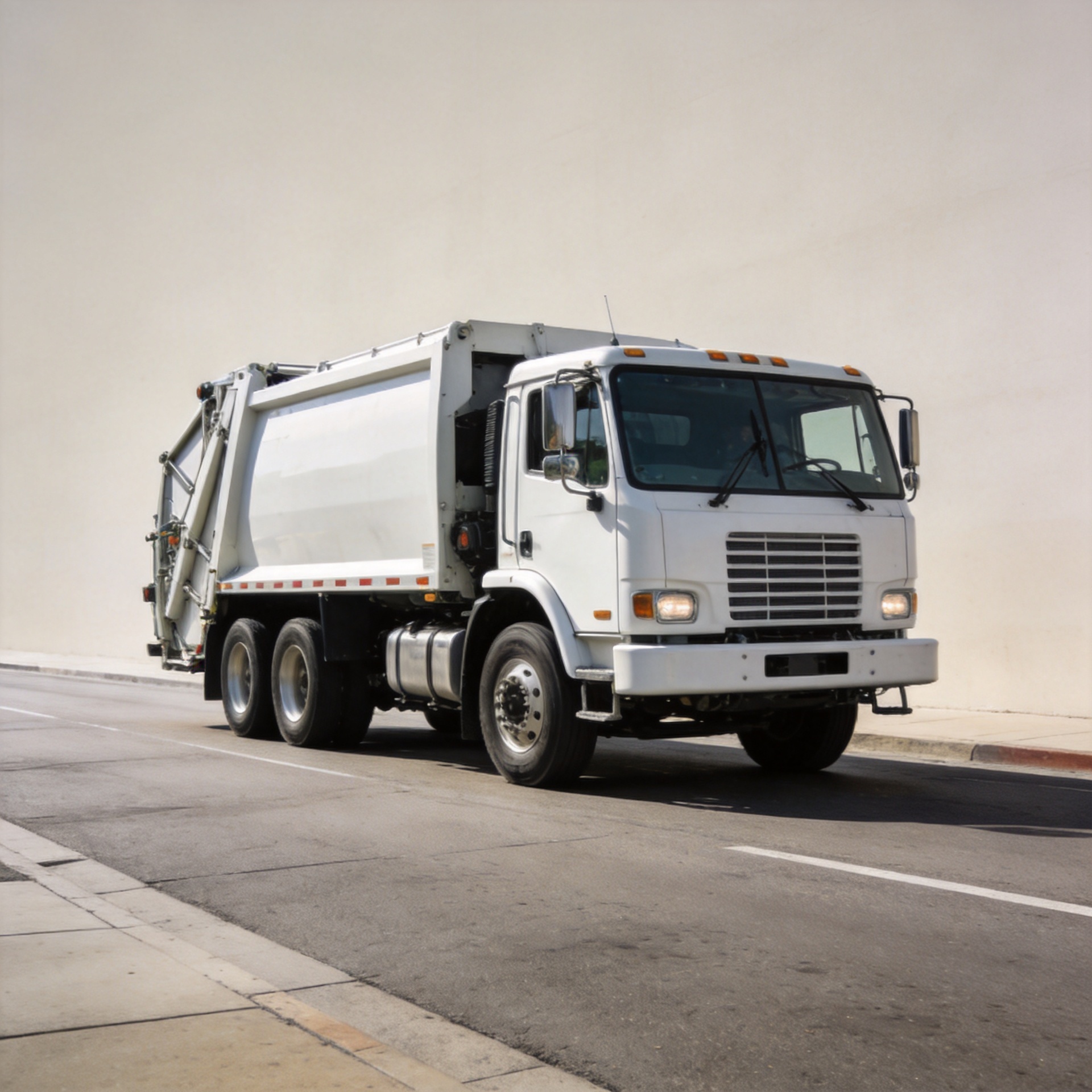
Some emergency organizations need a technical rescue truck that works closely with fire-fighting resources. For example, a rescue scene near a fuel spill, industrial equipment, or a damaged vehicle may require both technical tools and fire protection. A 4x2 Emergency Fire Rescue Truck with Water Sprinkler Fire Fighting Truck Product can be considered within a broader apparatus plan when teams need to coordinate rescue support with water-sprinkler or fire-fighting capability.
However, equipment specifications, water capacity, pump performance, and rescue-tool inventory must be confirmed for the specific vehicle and mission. The correct apparatus is the one that matches local response plans, crew training, road conditions, and maintenance capacity—not simply the unit with the longest equipment list.
7. It makes maintenance and post-incident recovery more manageable
Operational readiness depends on what happens after the incident. A technical rescue truck helps teams establish repeatable routines for inventory, battery charging, tool inspection, decontamination, and resupply. Dedicated storage limits weather exposure and damage during transport, while labeled locations make missing equipment easier to identify.
Before procurement, emergency managers should review access height, payload, compartment dimensions, generator or electrical requirements, tool mounting, crew seating, and service support. They should also define who will inspect each equipment category and how the truck will be restored to service after a major deployment.
How a technical rescue truck supports the first operational minutes
In the first minutes of a technical incident, a technical rescue truck helps the team move from recognition to action. Crews can establish a safe parking position, deploy warning devices and lighting, identify the rescue discipline involved, and stage the first equipment set without mixing unrelated tools into the work area. This process is particularly useful when multiple agencies are arriving and the rescue group needs a visible, orderly equipment point.
The technical rescue truck should also support a deliberate escalation path. A light rescue task may only require stabilization supplies, hand tools, medical protection, and portable lighting. A more demanding event may call for hydraulic tools, rope systems, atmospheric monitoring, or specialized lifting equipment. Compartment labeling and a disciplined inventory system allow the technical rescue truck to support both situations without forcing responders to improvise storage or tool selection under pressure.
For emergency managers, this operational role is why the technical rescue truck should be specified around actual response risks. A realistic loadout, a usable compartment layout, and trained crews create more value than an oversized inventory that cannot be safely deployed, inspected, or maintained.
What should an emergency team evaluate first?
Start with the incidents that occur most often and the specialist capabilities the team is responsible for providing. Then map those needs to a practical vehicle layout. The technical rescue truck should help crews stabilize the scene, gain access, protect responders and patients, communicate clearly, and restore readiness after the call. When those functions are planned together, the truck becomes a dependable part of an all-hazards response system rather than a collection of equipment on wheels.