EN


What Is a Rear Loader Garbage Truck for Municipal Waste Collection?
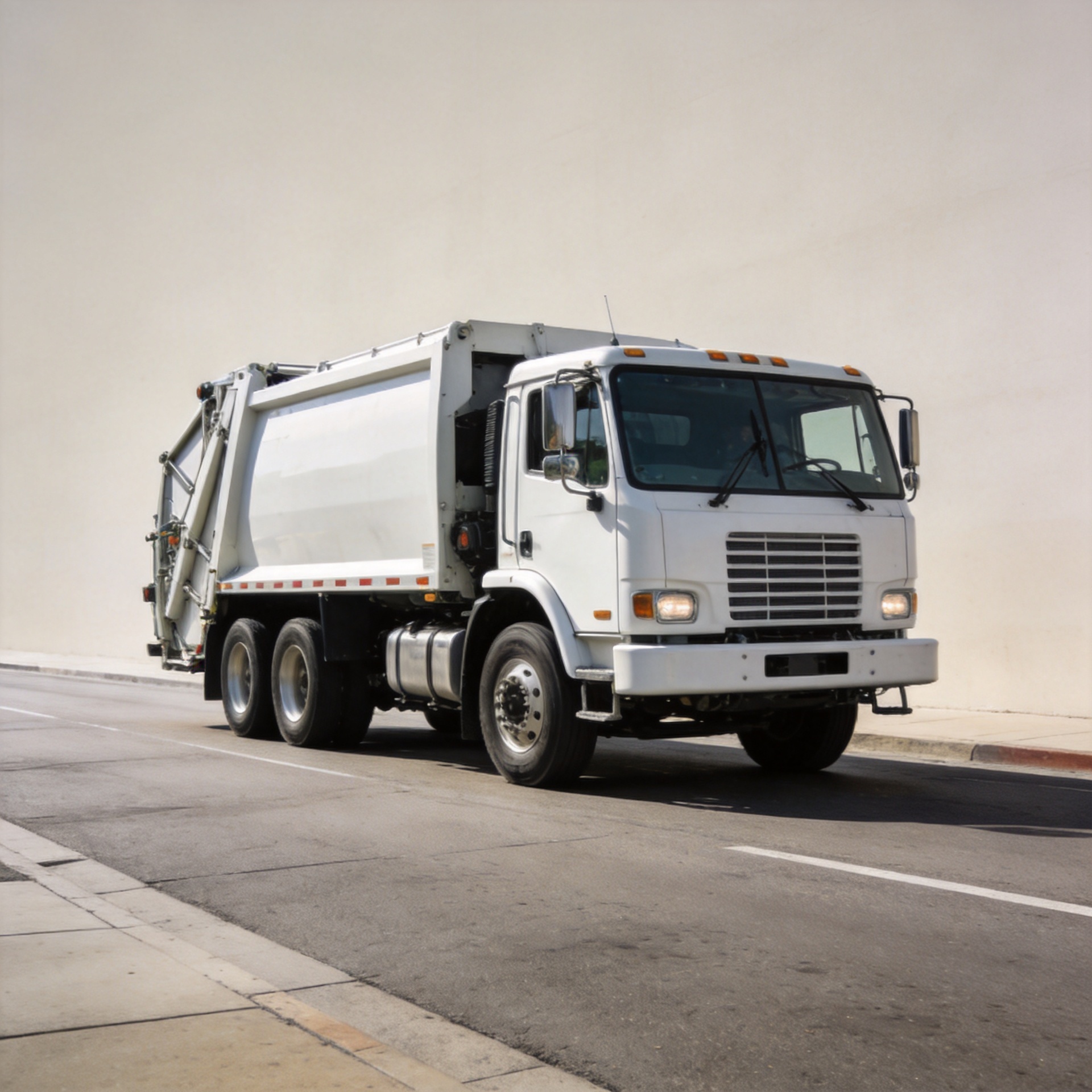
A waste management rear loader garbage truck is a refuse collection vehicle that accepts waste at the back of the body, packs it with a hydraulic compaction mechanism, and carries the consolidated load to a transfer station, treatment facility, or disposal site. For municipal sanitation teams, it is more than a truck with a hopper: it is a coordinated collection system for crews, containers, route conditions, and safe unloading.
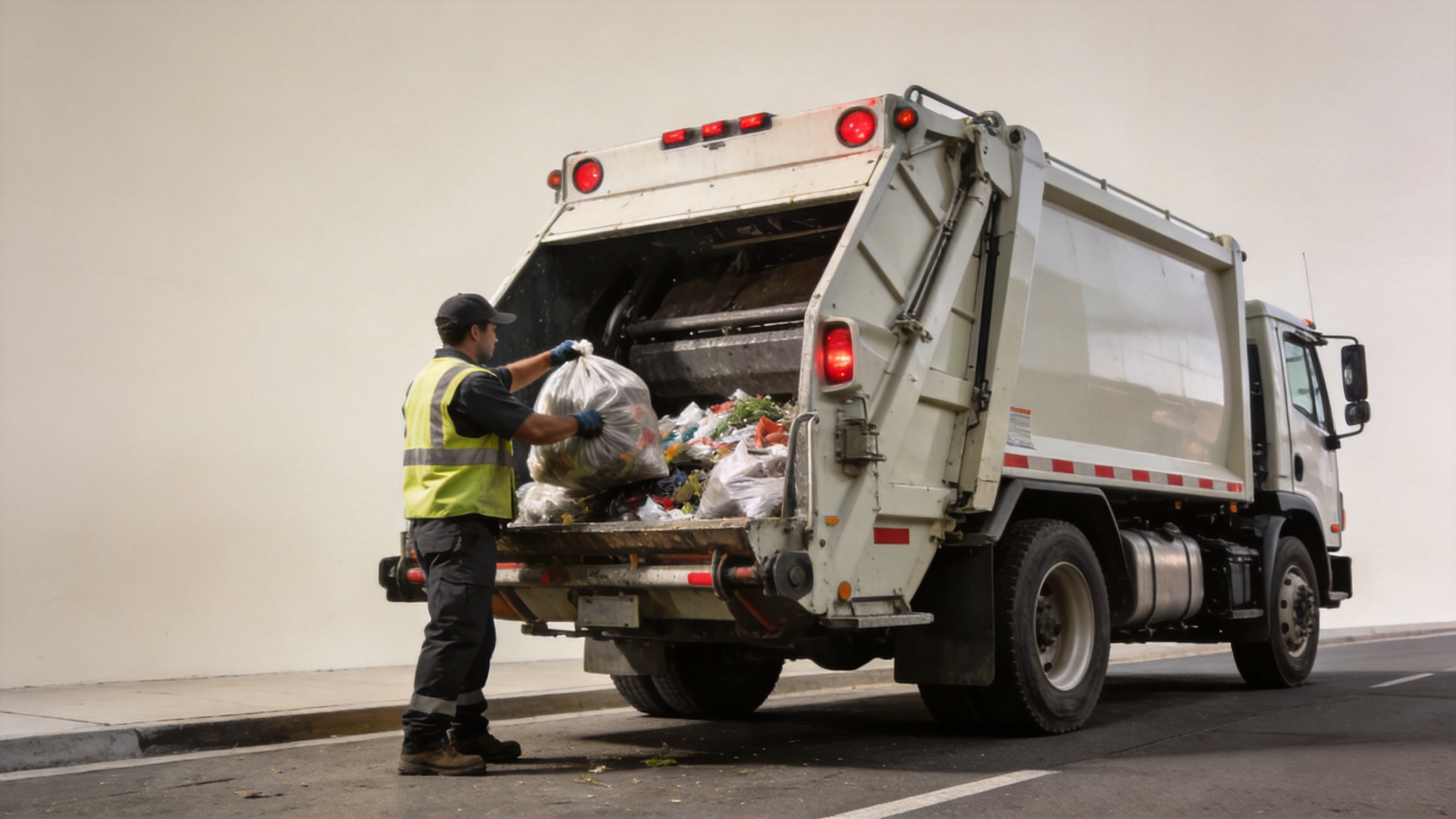
Rear loaders are common where collection crews work along residential streets, dense neighborhoods, markets, public facilities, and other routes with varied waste presentation. Their defining feature is the rear loading opening. Workers or a compatible lifting device place waste into the hopper; the body’s packing system moves material into the container body; and the cycle repeats as the route continues. In this setting, a waste management rear loader garbage truck gives supervisors a clear, repeatable loading point to organize around.
How a Rear Loader Collects and Compacts Municipal Waste
Although layouts differ by body builder and chassis, a typical waste management rear loader garbage truck has four functional areas: a rear hopper, a loading or packing mechanism, an enclosed body for the compacted waste, and a tailgate used for unloading. The collection cycle begins at the rear. Waste enters the hopper, the operator confirms the area is clear, and the hydraulic mechanism pushes or sweeps material into the main body.
Compaction matters because loose municipal waste consumes volume quickly. By packing each load during the route, the truck can carry more material before it must leave the collection area. That does not mean every waste stream should be treated the same way. Bulky items, liquids, prohibited materials, and locally regulated waste need separate procedures. A practical municipal program pairs the vehicle with clear rules about what crews may load and when the truck should return for unloading.
At the disposal point, the tailgate is opened and the body is raised or otherwise operated according to the equipment design so the consolidated load can be discharged. This creates a simple route logic: collect, compact, transport, unload, inspect, and return to service. For a waste management rear loader garbage truck, that cycle should be documented in the municipal operating procedure, including the transfer-site approach and post-unloading inspection.
Why Municipal Teams Choose a Rear-Loading Configuration
A waste management rear loader garbage truck is often selected for routes where collection needs are frequent but inconsistent from stop to stop. Crews can work with bagged waste, bins, carts, or local container arrangements when the selected body and lifting equipment are compatible with the service plan. The rear work area also makes the collection process visible to the crew, which supports communication during repeated stops.
For an awareness-stage fleet discussion, the key benefit is operational flexibility rather than a single headline specification. Municipal managers should look at the entire collection pattern: street width, stop density, crew model, container types, expected waste volume, transfer distance, and the available maintenance support. A larger nominal body is not automatically the better fit if the chassis, route, legal weight limits, or unloading site do not support that operating pattern.
Rear loaders can also help standardize daily work. When crews follow the same hopper-clearance checks, loading sequence, communication signals, and end-of-shift inspection routine, the vehicle becomes part of a repeatable sanitation process rather than an isolated asset. This is especially useful when a waste management rear loader garbage truck is assigned to recurring municipal routes with predictable service windows.
Core Components to Understand Before Procurement
Rear hopper and loading area
The hopper is the entry point for collected waste. Procurement teams should consider its working height, opening shape, access around the rear of the body, and compatibility with the bins or cart lifters used on local routes. These details affect how naturally crews can perform repeated loading tasks.
Hydraulic packing mechanism
The packing mechanism transfers material from the hopper into the body. Its operating controls, guarding, service access, and cycle behavior deserve close review. Because loading and compaction create movement at the rear of the truck, municipalities should base operating procedures on the actual body configuration and their own risk assessment—not on a generic description of any rear loader.
Body, tailgate, and sealing details
The body holds compacted waste during transport, while the tailgate supports unloading and, depending on the design, helps manage containment. Review body volume together with payload, chassis ratings, waste density, and local legal limits. Also ask how the body design supports cleaning, drainage, and inspections after a shift. A waste management rear loader garbage truck should be evaluated as a complete collection vehicle, not as a body-volume figure alone.
Chassis and control system
The refuse body works as part of a complete vehicle. Chassis selection affects maneuverability, cab access, power availability, axle loading, and service support. Control systems may range from straightforward hydraulic controls to PLC-assisted arrangements, but the right choice is the one that local operators and technicians can safely use and maintain.
Safety Is Built Into the Collection Process
Rear-loading collection puts people near moving equipment, traffic, containers, and mixed waste. That is why a waste management rear loader garbage truck should be evaluated together with a written operating plan. Targeted safety guidance for refuse collection highlights hazards around the dumping and loading cycle, reinforcing the need for training, communication, personal protective equipment, and routine equipment checks.
- Complete pre-trip checks for lights, brakes, hydraulic leaks, guards, alarms, and the rear work area.
- Use a defined crew communication method before loading, compacting, reversing, or moving away from a stop.
- Keep unauthorized people away from the hopper and compaction zone.
- Stop work when waste, container condition, or traffic conditions create an uncontrolled hazard.
- Follow the manufacturer’s operating instructions and the municipality’s site-specific safety procedures.
These practices do not replace local regulations, equipment manuals, or formal training. They help procurement and operations teams frame the questions that need answers before the truck enters service.
Where Rear Loaders Fit in a Municipal Fleet
Rear-loading compactor bodies suit many municipal collection programs, particularly residential and mixed municipal solid-waste routes where crews make frequent stops and waste must be consolidated before transport. They can also be considered for campuses, markets, housing developments, and public-service areas when route design and container handling match the equipment. In each of these applications, a waste management rear loader garbage truck performs more predictably when the vehicle configuration is aligned with actual collection behavior.
Other vehicle types may suit different conditions. Automated side loaders, front loaders, hook-lift systems, and smaller collection vehicles can be more appropriate for routes with different container systems, staffing goals, access constraints, or waste streams. The most reliable selection process compares the collection method first, then chooses the body and chassis that support it.
A Practical Checklist for Selecting a Rear Loader
- Map the collection route: record stop density, road width, turning limits, waste presentation, and travel distance to the unloading site.
- Define the collection method: clarify manual loading, bin handling, cart lifting, crew size, and the equipment interfaces needed.
- Match body and chassis: assess body volume, expected waste density, axle ratings, maneuverability, and legal weight limits as one system.
- Review safety and service access: examine guarding, controls, rear visibility, cleaning points, maintenance access, and spare-parts support.
- Request documented configuration details: confirm the exact chassis, body layout, hydraulic arrangement, and optional equipment before final procurement.
For teams reviewing a specific rear-loading configuration, see this HOWO 6×4 20cbm compactor garbage truck with PLC hydraulic system. The final decision should still be based on the confirmed specification sheet, route study, local requirements, and the operator’s maintenance capability.
Key Takeaway
A waste management rear loader garbage truck is a municipal refuse vehicle designed to load waste from the rear, compact it during collection, and transport it efficiently for unloading. Its value comes from how well the complete setup fits the route: the crew workflow, container system, chassis, body configuration, safety procedures, and maintenance plan all matter. When municipalities assess those elements together, they can select a rear loader that supports consistent collection rather than simply purchasing a body volume.