EN


Questions to Ask Before Buying a Refrigerated Trailer
When buyers start looking for a refrigerated trailer for sale, the first question is often about price. That is understandable, but it is rarely the question that prevents a cold-chain problem. A refrigerated trailer is a working temperature-control system made up of the body, insulation, refrigeration unit, power arrangement, loading pattern, route, and service plan. A low initial quote can become expensive if the unit cannot hold the required temperature through a loaded delivery day.
For procurement teams, distributors, and cold-chain operators evaluating a refrigerated trailer for sale, the better approach is to prepare a supplier-question list before comparing quotations. The questions below help translate an operational requirement into specifications that can be checked, documented, and accepted.
1. What exactly will the trailer carry?
Start with cargo, not the trailer model. Ask the supplier what product temperature range the proposed configuration is designed to support, then state your own requirement in writing. Fresh produce, dairy, prepared foods, pharmaceuticals, and frozen goods do not share the same loading practices or temperature tolerances. For example, USDA food-safety guidance notes that most refrigerated foods should be held at 40°F (about 4.4°C) or below, while frozen cargo is commonly handled at much lower targets. Those references are useful context, but your contract setpoint must follow the cargo owner’s specification and the rules that apply on your route.
Ask: What is the required product temperature at loading, during transit, and at delivery? Is the trailer expected to chill warm product, maintain pre-cooled product, or freeze cargo? These are different duties. A system that maintains a stable load is not automatically sized to pull down a warm load after loading.
2. Which dimensions and payload actually fit the route?
A refrigerated trailer for sale should be assessed against usable internal volume, permitted gross weight, pallet pattern, door opening, and loading method—not only external length. Give the supplier the pallet footprint, stacking height, typical shipment weight, loading equipment, and delivery-site restrictions. Also confirm turning radius, axle configuration, road limits, dock height, and whether the route includes rough roads, steep grades, or frequent stops.
It is tempting to select the largest body possible. However, extra volume can mean extra heat gain and more empty-air space during partial loads. The practical question is: What load profile will the trailer run most often, and what configuration supports that profile most appropriately?
3. How will temperature performance be verified under real conditions?
When comparing a refrigerated trailer for sale, ask for an acceptance plan rather than relying solely on a brochure setpoint. The plan should define ambient conditions, pull-down expectation where relevant, loaded or simulated-load conditions, sensor locations, run duration, and the acceptable temperature band. Ask whether the supplier can explain insulation construction, door sealing, floor design, air circulation, and the conditions under which the quoted unit is rated.
Specifications are normally measured under defined conditions; real operation can differ with high ambient heat, frequent door openings, long idling periods, or poor airflow around the cargo. That is why the supplier should clarify what the unit is expected to do in your actual duty cycle. If a cross-border route is involved, ask whether ATP-related equipment requirements or destination-market rules apply; do not assume that one certificate or class automatically covers every route and cargo type.
4. What refrigeration unit, power source, and backup arrangement are included?
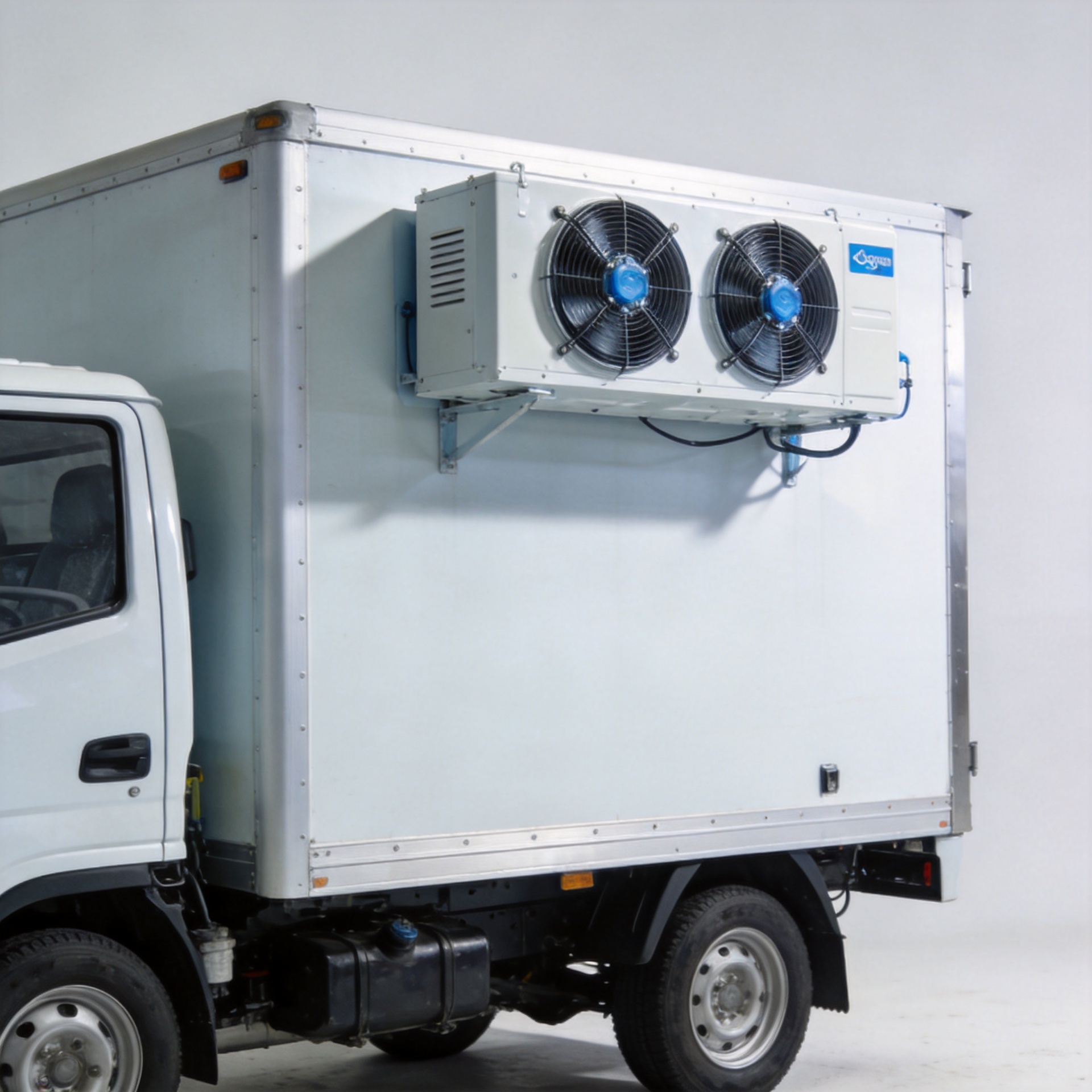
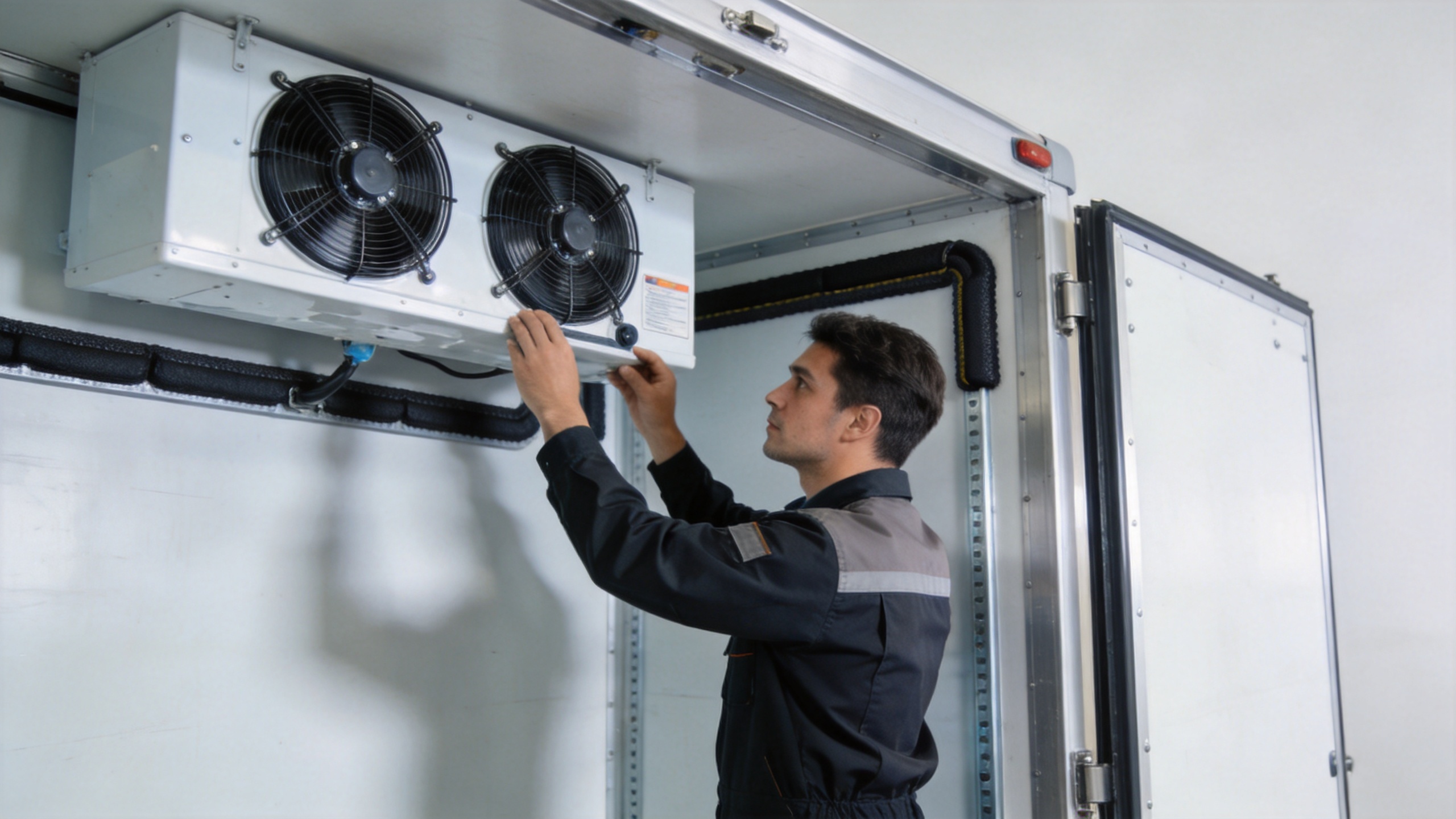
Before selecting a refrigerated trailer for sale, request the exact refrigeration-unit model, rated operating range, power source, fuel or electrical requirements, controls, and maintenance intervals. Clarify whether the system will run independently during stops, how long it can operate under the planned power arrangement, and what alarm or backup procedure is available if performance moves outside the target range.
Ask the supplier to distinguish included equipment from optional equipment. Useful questions include:
- Is temperature recording included, and can records be exported for customers or audits?
- Which sensors are fitted, where are they placed, and how are they calibrated?
- Are partitioning, multi-temperature zones, standby power, remote alerts, or strip curtains available if the operation needs them?
- What is the process if a refrigeration alarm occurs during a trip?
Do not add advanced controls simply because they sound useful. If operators are not trained or a feature does not match the route, extra complexity can make day-to-day use harder rather than safer.
5. What body construction supports hygiene, loading, and durability?
For every refrigerated trailer for sale under consideration, ask about panel construction, insulation type, floor loading limits, drainage, interior finish, door hardware, seals, lighting, and the method used to protect the body from moisture intrusion. Explain how the trailer will be cleaned and how often doors will be opened. The supplier should be able to show how the proposed body works with pallet jacks, forklifts, hand loading, or dock loading.
For a refrigerated trailer for sale, a small detail such as a damaged seal or an unsuitable floor can affect operating consistency and maintenance cost. Request drawings, a configuration list, and a clear division between standard and optional items before approving production.
6. Which documents, tests, and import requirements must be confirmed?
For an imported refrigerated trailer for sale, build documentation into the purchase discussion early. Ask what vehicle identification, packing, inspection, operating manuals, warranty terms, and export documents can be provided. If the trailer will enter another country, confirm the destination’s registration, emission, food-transport, or specialized-equipment requirements with the appropriate local authority or importer.
A sensible buyer also asks for pre-delivery inspection points: visual condition, dimensions, equipment list, refrigeration operation, temperature-control test method, and documentation handover. Written acceptance criteria make it easier for both sides to resolve discrepancies before shipment.
7. How will service, spare parts, and warranty work after delivery?
The purchase price of a refrigerated trailer for sale is only one part of ownership cost. Ask where routine service will be performed, what common spare parts are recommended, how warranty claims are handled, and what technical information the local service team will receive. For international buyers, ask about shipment lead times for critical parts and the support process across time zones.
Before signing, request a named contact path for technical questions, a list of excluded warranty items, and a realistic maintenance schedule. This turns a vague promise of support into an operational plan.
A practical request-for-quotation checklist
When requesting a quotation for a refrigerated trailer for sale, send suppliers a consistent brief containing the cargo type, required temperature range, expected load weight and pallet layout, route climate, stop frequency, desired body dimensions, power preference, monitoring needs, destination market, and required delivery date. Then ask each supplier to return the same configuration schedule, pricing basis, production lead time, test plan, warranty terms, and documentation list.
For buyers comparing a refrigerated vehicle configuration as part of a wider fleet project, CLW lists a 4x2 LHD 5 TONS diesel refrigerator truck configuration. Use any product page as a starting point for a technical discussion, then verify the final body, temperature duty, equipment list, and market requirements against your own procurement brief.
Make the decision on evidence, not assumptions
The right refrigerated trailer for sale is not defined by a single advertised temperature or a single lowest price. It is the trailer whose capacity, insulation, refrigeration system, controls, service plan, and documents match the actual cold-chain work. When each supplier answers the same written questions, you can compare quotations on operating fit and lifecycle risk—not just on the first number on the quotation.