EN

Recovery Truck Types for Roadside Assistance Operations
When a disabled vehicle blocks a shoulder, a loading bay, or a busy urban lane, the right recovery truck matters as much as a quick arrival. Roadside teams do not use one vehicle for every callout. A compact passenger car with a rolling fault, a damaged SUV that should not be towed with two wheels on the ground, and a loaded commercial vehicle each create very different recovery conditions.
For dispatchers, fleet managers, and overseas equipment buyers, the useful question is not simply “Which tow truck is strongest?” It is: which recovery truck can secure the casualty, protect road users, fit the site, and complete the task with the least unnecessary handling? This overview explains the common vehicle types used in roadside assistance and the jobs they are built to perform.
Why recovery truck type affects the whole roadside operation
A recovery vehicle is selected around the casualty’s condition, size, access route, and destination. The choice affects loading time, traffic exposure, the likelihood of secondary damage, and how easily the operator can work on uneven ground. A larger vehicle is not automatically the better choice. On a narrow city street, maneuverability may be the limiting factor; on a crash scene with locked wheels or suspension damage, full-deck loading may be the safer option.
In practice, dispatch should establish a few basics before assigning a recovery truck: vehicle class and approximate weight, whether the wheels can roll, driveline condition, position relative to traffic, available turning space, and whether the job is a relocation, a tow, or a technical recovery. That short check turns a broad vehicle category into an operational decision.
Flatbed recovery trucks: versatile transport for damaged or low-clearance vehicles
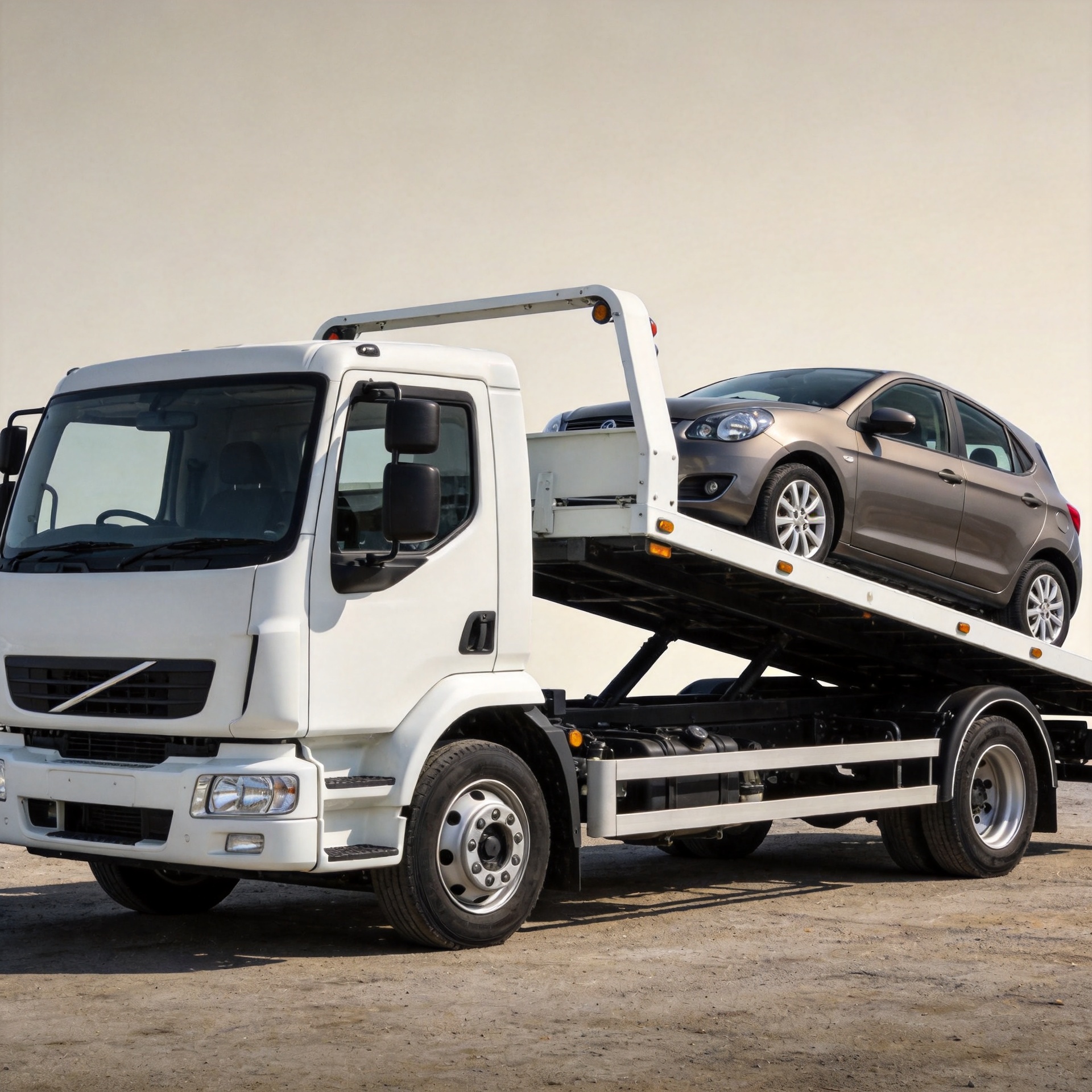
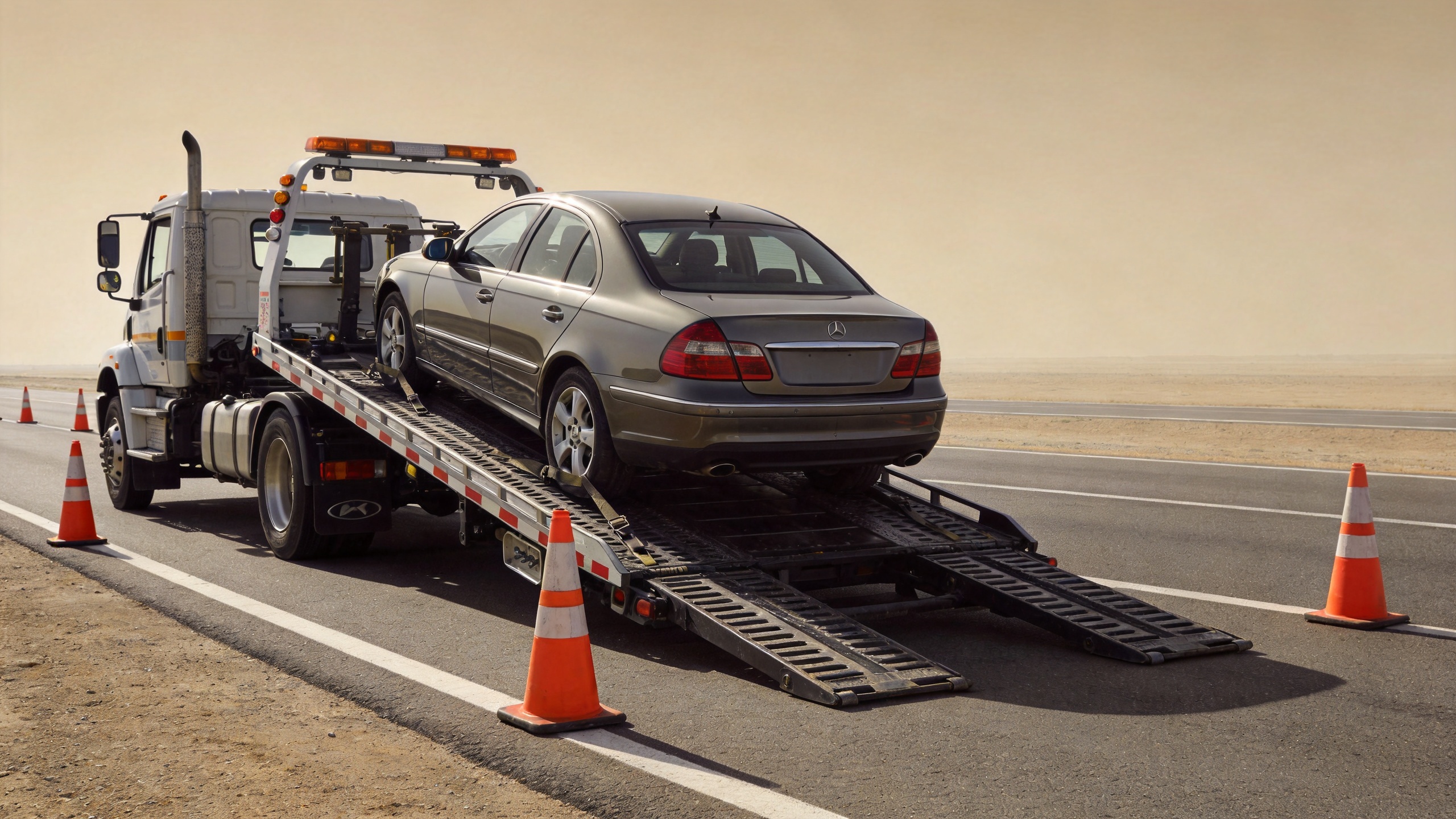
A flatbed, often called a rollback, uses a tilting and sliding deck to carry the entire casualty. Because all four wheels can be placed on the deck, this type of recovery truck is commonly chosen when a vehicle has collision damage, cannot roll reliably, has low ground clearance, or should not travel with drive wheels on the road.
For routine roadside assistance, flatbeds are especially practical for passenger cars, SUVs, light vans, and vehicles that require workshop transport rather than a short-distance tow. They also give the operator a clear loading platform for winching a vehicle that is positioned safely enough to approach. The trade-off is physical footprint: a flatbed needs room to align, deploy the deck, and load. Tight streets, steep ramps, and congested parking areas can limit its usefulness.
As one example of this category, buyers can review a Dongfeng 4x2 small 3–5 ton flatbed wrecker tow truck when considering a light-duty flatbed configuration. The actual suitability should still be confirmed against local road rules, chassis limits, deck dimensions, and the intended casualty range.
Wheel-lift recovery trucks: agile for short urban tows
A wheel-lift recovery truck raises one axle of the casualty while the other axle remains on the road. Its lifting gear reaches under the tyres or wheels, making it a compact option for legal relocations, parking enforcement work, and short urban tows where space is constrained.
The main benefit is agility. A wheel-lift unit can often approach and depart more easily than a full deck truck, which helps when access lanes are narrow or traffic needs to move quickly. But this flexibility comes with a condition: the casualty must be appropriate for partial lifting. Drivetrain type, wheel condition, steering lock, ground clearance, and manufacturer towing guidance all need attention. If those conditions are uncertain, a flatbed may be the more conservative choice.
Boom and sling recovery trucks: a legacy tool with limited modern use
Boom-and-sling equipment supports or lifts a vehicle from a raised point and is still seen in some recovery fleets. It can help with certain repositioning tasks or when recovering a vehicle from an awkward angle. However, it is usually less suitable for routine transport of modern passenger vehicles because contact points and unsupported wheels can increase the chance of body, suspension, or drivetrain damage.
That does not mean a boom has no role. A recovery truck with a properly operated boom can be useful where controlled pulling or lifting is needed before loading. The important distinction is between using a boom to stabilize or reposition a casualty and using it as a default transport method. For many modern roadside jobs, a wheel lift or flatbed provides a more predictable transport setup.
Integrated wreckers: heavy recovery power for complex scenes
An integrated wrecker combines a reinforced chassis, boom capability, and wheel-lift functions in one heavy-duty design. It is intended for larger vehicles and more demanding recovery tasks, such as buses, loaded trucks, or vehicles that need controlled lifting before they can be moved. These units are often dispatched when a simple tow will not solve the problem.
The strength of an integrated recovery truck is controlled recovery rather than speed alone. Operators can use lifting and winching systems to manage a casualty’s position and reduce uncontrolled movement. Still, the recovery plan must account for load distribution, attachment points, ground bearing, nearby traffic, and clearance around the scene. Equipment capacity is only one part of a safe operation.
Rotator and heavy-duty recovery trucks: for overturned or immobilized commercial vehicles
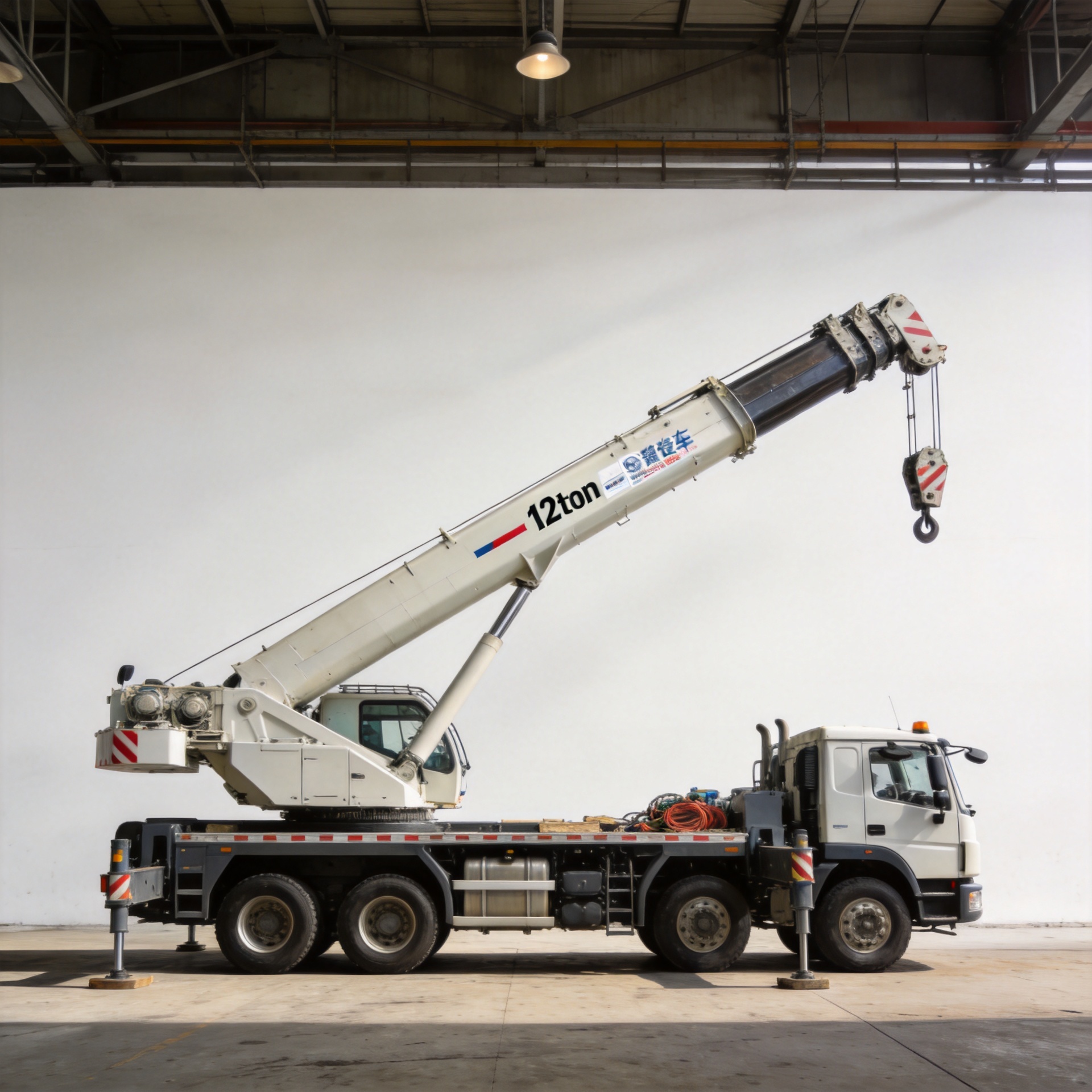
Rotators and other heavy-duty recovery trucks are specialist assets for severe incidents. A rotating boom can give the operator more flexible lifting angles, which is valuable when a truck, coach, trailer, or piece of equipment cannot be approached in a straight line. Heavy winches and stabilization systems support controlled work in complex scenes.
These vehicles are not the everyday answer to a stalled sedan. Their value appears when a commercial vehicle is overturned, off the carriageway, badly positioned, or too heavy for a standard unit. Because these recoveries can involve multiple vehicles, traffic management, and a changing load path, operators need a site-specific plan rather than a simple capacity comparison.
A simple dispatch checklist for choosing a recovery truck
- Can the casualty roll and steer? If not, prioritize a controlled winch-and-deck loading approach.
- Which wheels may remain on the road? Consider drivetrain layout and manufacturer guidance before assigning a wheel lift.
- How much space is available? Check lane width, turning room, deck deployment space, and overhead or roadside obstacles.
- Is it transport or technical recovery? A roadside tow and an overturned heavy-vehicle recovery require different equipment and planning.
- What is the safest loading position? Traffic flow, surface condition, slope, and the casualty’s stability should influence the plan.
This checklist is deliberately practical. A fast response is valuable, but a poorly matched recovery truck can add handling steps and keep personnel exposed to traffic for longer.
Build a recovery fleet around task coverage, not one universal truck
For many roadside assistance operations, a balanced fleet covers several roles: flatbeds for safe full-vehicle transport, wheel-lift units for agile city work, and heavier integrated or rotator equipment for commercial and complex incidents. The right mix depends on local vehicle population, road geometry, service territory, workshop partnerships, and the frequency of heavy-duty calls.
The most reliable purchasing approach is to define the expected job profile first, then evaluate chassis configuration, deck or boom system, payload, recovery equipment, operator access, and after-sales support against that profile. In other words, buy a recovery truck for the tasks it must complete safely—not for a specification sheet in isolation.