EN

How to Choose a Heavy Recovery Truck for Commercial Fleets
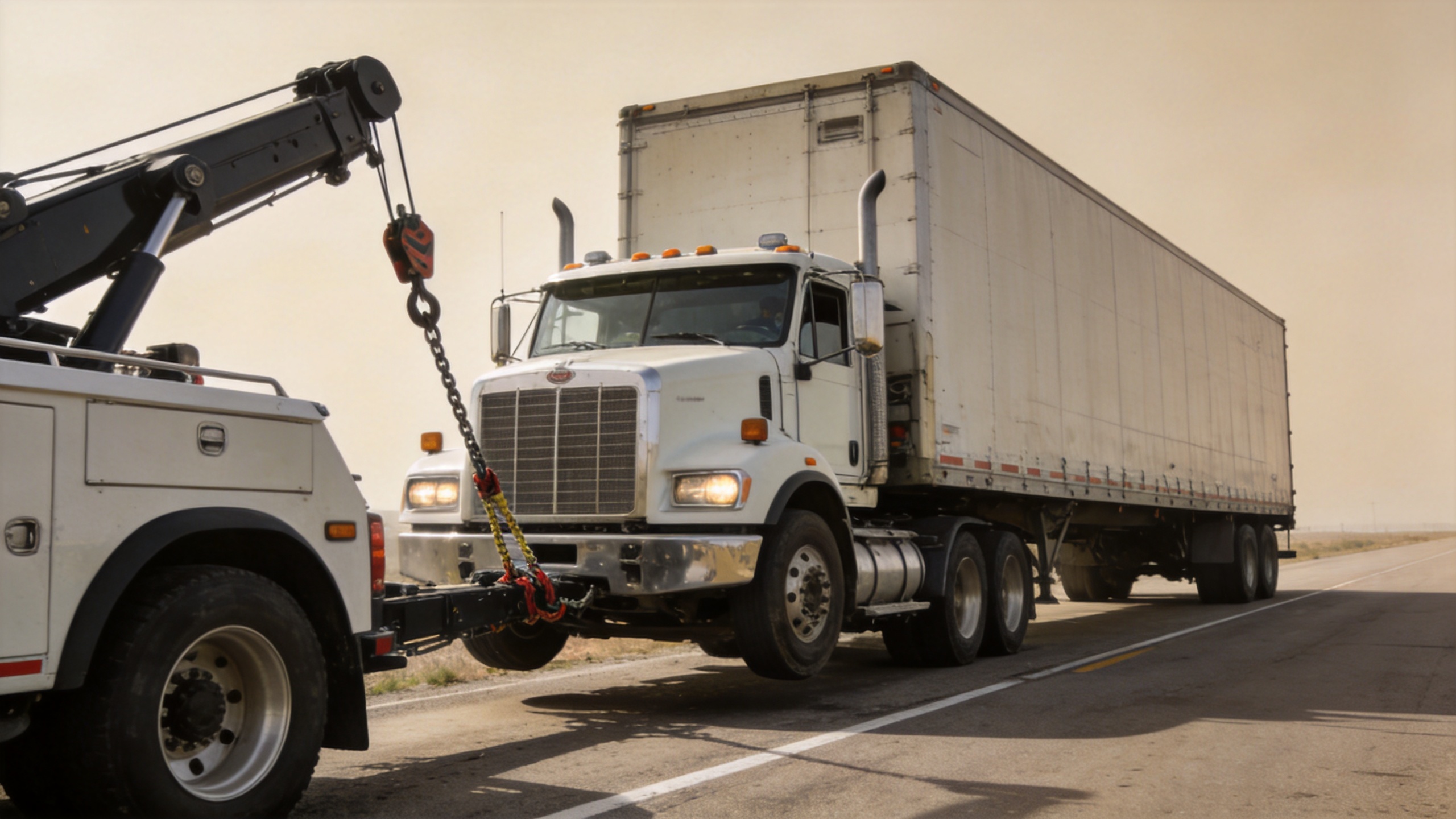
A disabled tractor-trailer, loaded construction vehicle, or bus changes the recovery decision immediately. A light-duty tow unit may move a passenger car efficiently, but a commercial fleet needs a heavy recovery truck that can control weight, reach, rigging forces, and roadside risk as one system. The right choice begins with the casualty vehicles you expect to handle—not with the largest number on a brochure.
For fleet managers, roadside-assistance operators, and overseas distributors, the practical question is: which heavy recovery truck configuration matches your normal work without creating unnecessary acquisition and operating cost? This guide uses a comparison framework built around vehicle type, recovery task, operating conditions, and supportability.
Start With the Vehicles and Tasks You Actually Recover
Build a 12-month task profile before comparing trucks. List the typical gross weight range, axle layouts, incident types, and distances involved. A fleet that mostly relocates disabled vans and medium trucks has a different requirement from an operator called to overturned coaches, loaded dump trucks, or tractor-trailers in soft ground.
| Operating profile | What to evaluate first | Likely configuration direction |
|---|---|---|
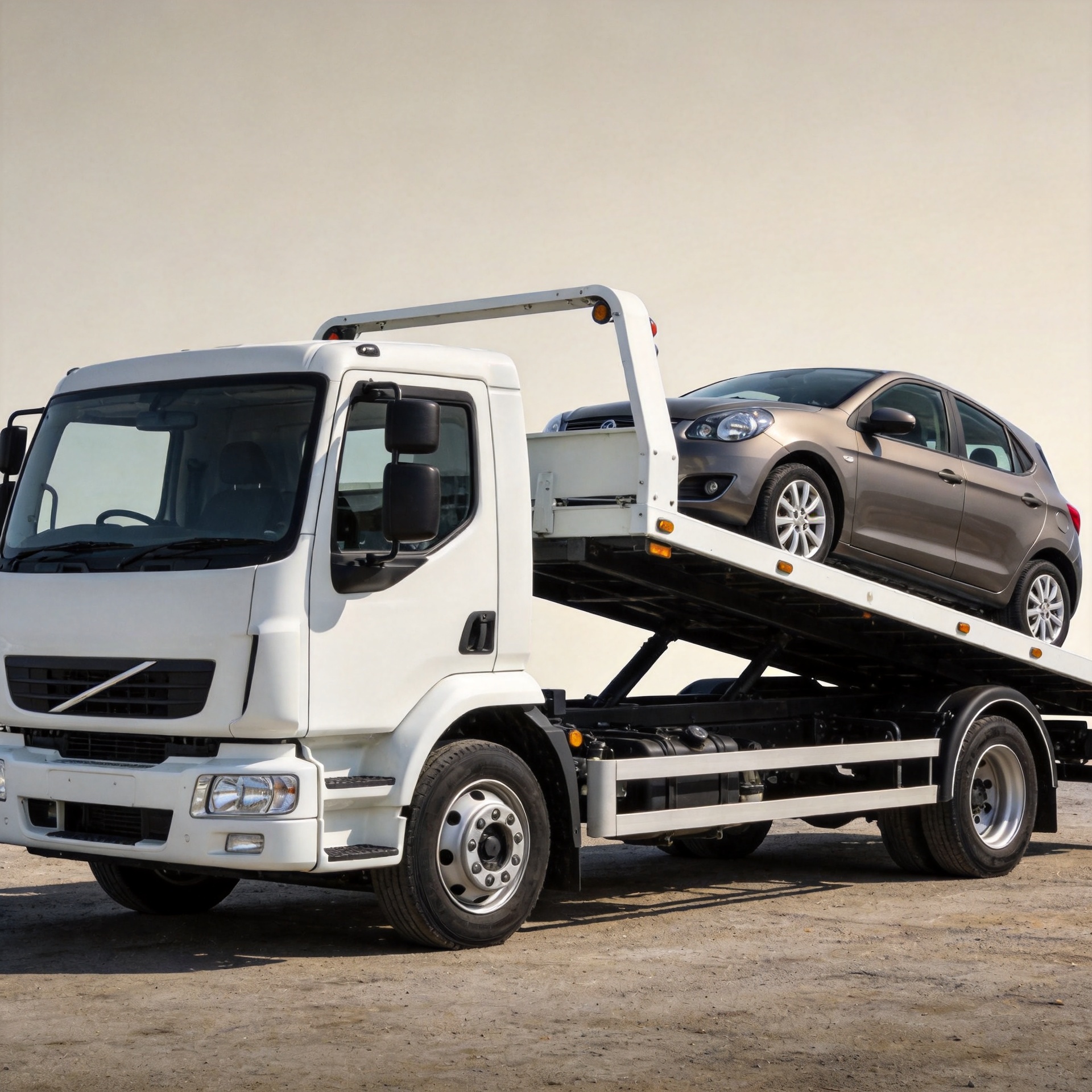
| Cars, vans, and occasional light commercial vehicles | Loading speed, deck usability, urban maneuverability | Flatbed or carrier-style wrecker |
| Medium-duty trucks and buses | Underlift capacity, wheelbase, towing stability, winch options | Medium/heavy wrecker with appropriate boom and underlift |
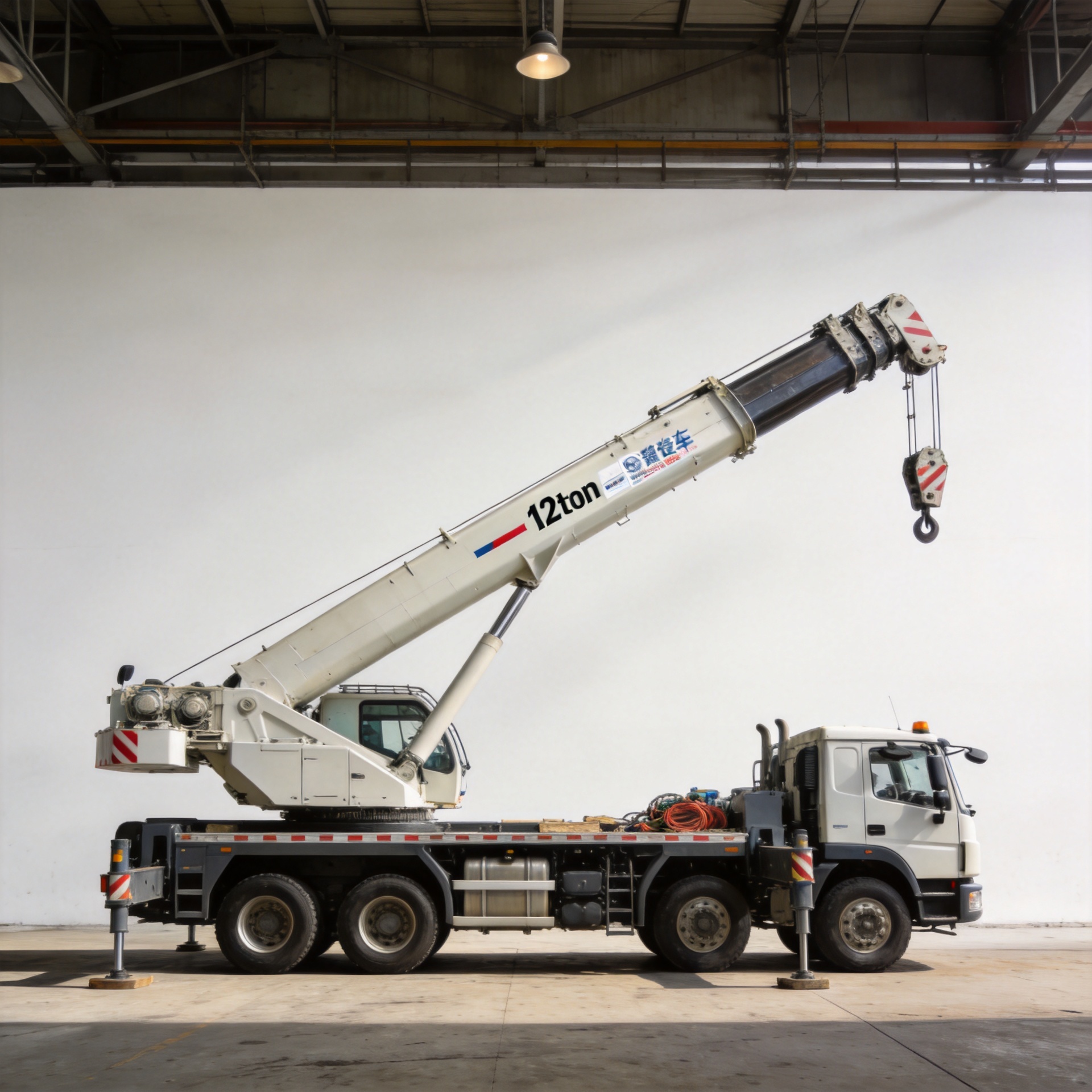
| Tractors, trailers, construction equipment, or severe incidents | Recovery forces, multiple winches, boom reach, stabilizers, rigging storage | Purpose-built heavy recovery truck, potentially rotator-style where justified |
A practical starting point is to select for the upper end of routine demand with a defined safety and operational margin, then set an escalation procedure for work outside that envelope. Buying solely for rare maximum events can leave a fleet with an expensive, difficult-to-deploy unit; buying only for average events can force unsafe improvisation.
Separate Towing Capacity From Recovery Capability
These terms are related but not interchangeable. Towing concerns controlled transport of a disabled vehicle. Recovery may involve winching, lifting, stabilizing, changing direction with snatch blocks, or freeing a vehicle from a ditch, mud, collision scene, or restricted access point. A heavy recovery truck must be evaluated as a system: chassis, body, boom, underlift, winches, hydraulic performance, outriggers, and rigging all influence the job.
Many buyers initially focus on a single rated number. In practice, the usable capability changes with boom angle, line pull, reeving, load position, ground slope, and the condition of the casualty vehicle. Ask suppliers to explain ratings in the intended configuration and to identify the limits that apply to each major function. Rated-capacity labels and documented working-load information for recovery gear are especially important for safe fleet procedures.
Match the Chassis and Body to Your Operating Environment
Road access often decides whether a recovery unit can do its job. Consider turning radius, approach and departure clearance, axle loading, wheelbase, cab visibility, and the roads where your crew works. Dense urban routes reward maneuverability; mines, construction sites, and unpaved routes may require more ground clearance and traction; highway operations may prioritize safe stowage, visibility, and rapid scene setup.
Do not treat the body as an afterthought. Storage layout affects how quickly operators can access chains, straps, blocks, forks, air tools, and personal protective equipment. A well-planned body also prevents loose gear from becoming a safety issue during transport. If a supplier offers several chassis options, compare their local parts availability, service coverage, and ability to meet your destination-market requirements.
Choose the Recovery Equipment Around Real Scenarios
For a heavy recovery truck, create a scenario-based checklist rather than a feature wish list:
- Boom and underlift: Can their geometry and rated capacities support the vehicle classes and towing positions you expect?
- Winches: Are line-pull ratings, cable or synthetic-rope specification, controls, and routing appropriate for planned recovery work?
- Stabilization: Are outriggers and ground-contact arrangements suitable for the likely surface conditions?
- Rigging: Can the truck safely carry the blocks, chains, straps, lifting forks, and protection equipment required for your procedures?
- Lighting and traffic protection: Does the layout support safe work at night and alongside traffic under your local rules?
Extra equipment is useful only when the fleet has a clear use case, trained operators, inspection routines, and space to carry it. For occasional carrier work, a verified flatbed solution may be the more practical fit. For example, operators assessing a smaller recovery role can review this flatbed wrecker tow truck for recovery and repair work; its suitability still depends on the actual casualty weight and task, rather than its title alone.
Make Safety and Compliance Part of the Specification
A capable truck does not remove the need for disciplined recovery planning. Your purchase specification should call for clear operating documentation, identifiable rated equipment, and a handover process that covers inspection, rigging, exclusion zones, roadside traffic control, and emergency procedures. Where the truck will operate across borders, verify the destination country’s vehicle, lighting, axle-load, road-use, and import requirements early.
For U.S.-bound operations, fleet teams should separately confirm applicable securement and roadside requirements. More broadly, every operator should follow local regulations and the manufacturer’s instructions. The procurement team should avoid assuming that a configuration accepted in one market is automatically compliant in another.
Compare Lifecycle Support, Not Just the Purchase Price
The purchase price is only the first cost to compare. A heavy recovery truck can spend years in high-consequence service, so total cost depends on chassis service access, hydraulic component support, wear-part lead times, diagnostic capability, technician training, and the downtime cost of an unavailable unit.
Ask each supplier for a clear list of included equipment, recommended inspection intervals, documentation, spare-part references, warranty terms, and remote technical-support process. A manufacturer with special-vehicle body design capability and flexible chassis sourcing may be helpful when the work profile demands a tailored layout, but the buyer should still validate the exact components and after-sales scope proposed for the order.
A Practical Procurement Checklist
- Define casualty types, weights, axle layouts, and the most demanding routine event.
- Map the terrain, road width, climate, and recovery distances your crew faces.
- Compare boom, underlift, winch, stabilization, and rigging capabilities in their stated operating conditions.
- Check chassis serviceability and parts support in the intended market.
- Specify operator training, inspection documentation, and safety equipment with the truck.
- Confirm local compliance requirements before finalizing the chassis and body configuration.
- Plan an escalation network for recoveries beyond the truck’s approved operating envelope.
Choose for the Work You Need to Complete Safely
The right heavy recovery truck is not automatically the biggest or most heavily equipped option. It is the unit whose rated functions, chassis, recovery gear, storage, and support plan match the fleet’s recurring calls and operating environment. Start with the casualty profile, test the proposed configuration against realistic scenarios, and document the limits your team will observe. That approach produces a more defensible purchasing decision—and a recovery asset your crew can use with confidence.
FAQ
- When is a heavy recovery truck necessary?
- A heavy recovery truck fits incidents beyond lighter units.
- How is a heavy recovery truck rated?
- A heavy recovery truck needs function-specific ratings.
- Can a heavy recovery truck tow buses?
- A heavy recovery truck must stay within approved limits.
- Does a heavy recovery truck need winches?
- A heavy recovery truck needs winches for planned tasks.
- Does a heavy recovery truck need outriggers?
- A heavy recovery truck needs stabilization when required.
- Can a heavy recovery truck work in cities?
- A heavy recovery truck needs practical turning space.
- What chassis suits a heavy recovery truck?
- A heavy recovery truck needs locally serviceable support.
- Should a heavy recovery truck carry rigging?
- A heavy recovery truck needs inspected, organized gear.
- Does climate affect a heavy recovery truck?
- A heavy recovery truck must suit local conditions.
- Is the largest recovery unit the right fit?
- A heavy recovery truck should match routine work.
- Can a heavy recovery truck be customized?
- A heavy recovery truck follows defined operational needs.
- What documentation supports a heavy recovery truck?
- A heavy recovery truck needs operating records.
- Does a heavy recovery truck require training?
- A heavy recovery truck requires trained operators.
- How is a heavy recovery truck compared?
- A heavy recovery truck uses consistent fleet criteria.
- When should a heavy recovery truck be escalated?
- A heavy recovery truck has defined operating limits.
- Can a heavy recovery truck replace a carrier?
- A recovery unit can complement carrier work, depending on the duty cycle.
- Does a heavy recovery truck need safety equipment?
- A heavy recovery truck needs locally appropriate protection.
- What makes a heavy recovery truck fleet-ready?
- A heavy recovery truck aligns equipment, support, and procedures.