EN


How to Choose a 5 Ton Refrigerated Truck for Frozen Food Transport
When you are comparing a small refrigerated truck for sale for frozen-food distribution, “5 ton” is only a starting point. A truck that appears right on a quotation can still be wrong for the route if its usable payload, insulation, refrigeration capacity, and loading pattern do not work together. For a cold-chain operator, the practical question is not simply how much the truck can carry; it is whether it can keep the required product temperature stable while carrying the day’s real load.
For overseas distributors and fleet buyers, a better selection process starts with the cargo profile and ends with an operating check. This approach is especially important for frozen meat, seafood, ice cream, and prepared frozen foods, where a brief temperature excursion can turn a delivery problem into a claim or a rejected load.
Start with the frozen-food temperature requirement
Write down the required product temperature before choosing a body or refrigeration unit. Frozen shipments are commonly planned around roughly -18°C to -23°C, but the correct setpoint comes from the product specification, the shipper’s process, and applicable local rules. “Frozen” is not a sufficient specification: the purchaser should define the target temperature, acceptable operating range, pull-down expectation, loading-door frequency, and route duration.
This is where a small refrigerated truck for sale should be evaluated as a temperature-control system rather than a box on a chassis. A unit sized for chilled produce may not have enough reserve to recover after repeated deliveries of frozen goods. Similarly, a truck that can hold temperature on a stationary test may behave differently when hot ambient conditions, frequent stops, and warm cargo are added to the day.
- Single-temperature frozen loads: prioritize the low-temperature operating range, insulation continuity, and recovery after door openings.
- Mixed loads: confirm whether separate compartments or a multi-temperature solution are genuinely required; do not assume one setpoint suits every product.
- Long or stop-start routes: ask for an evaluation based on ambient temperature, door-open cycles, loading method, and total time on route.
Check usable payload, not the headline “5 ton” figure
A 5-ton description can refer to a rated payload category, but your usable cargo allowance must be confirmed on the completed vehicle. The refrigeration unit, insulated body, fuel, driver, pallets, load restraints, and optional equipment all affect the final operating weight. In other words, a small refrigerated truck for sale should be matched to your heaviest normal dispatch, not to an optimistic cargo estimate.
Start with the applicable gross vehicle weight rating and work backward. Ask the supplier to identify the completed curb weight for the quoted chassis, body, and refrigeration configuration. Then leave a practical allowance for fuel, crew, pallet weight, and load-securing equipment before comparing the result with the maximum gross weight permitted on your operating routes. This is less glamorous than comparing horsepower, but it is often the difference between a compliant truck and an overloaded one.
| What to verify | Why it matters for frozen food | What to request |
|---|---|---|
| Completed vehicle weight | Insulated bodies and refrigeration equipment reduce available cargo mass. | Configuration-specific weight statement. |
| Gross weight limit | Determines the maximum legal operating weight in the intended market. | Chassis rating and local-route confirmation. |
| Body volume and pallet layout | Frozen products can cube out before they weigh out. | Internal dimensions and pallet-loading drawing. |
| Load distribution | Uneven loads can affect handling and axle compliance. | Recommended loading plan and axle-load guidance. |
Why buyers compare a small refrigerated truck for sale before choosing a 5-ton model
Search results for a small refrigerated truck for sale often mix compact vans, used box trucks, and medium-duty vehicles. That makes the phrase useful for sourcing, but not specific enough for a frozen-food decision. For a 5-ton application, use the search as the first step and then narrow the comparison to completed payload, low-temperature performance, internal volume, and local weight limits.
A compact reefer may suit light multi-drop work, while a 5-ton refrigerated truck can make more sense when palletized frozen food, longer routes, or a larger delivery radius require more volume and a more robust configuration. The right small refrigerated truck for sale is therefore the one that fits the operating profile, not simply the smallest available option or the first listing with a refrigeration unit.
Match insulation and refrigeration capacity to the route
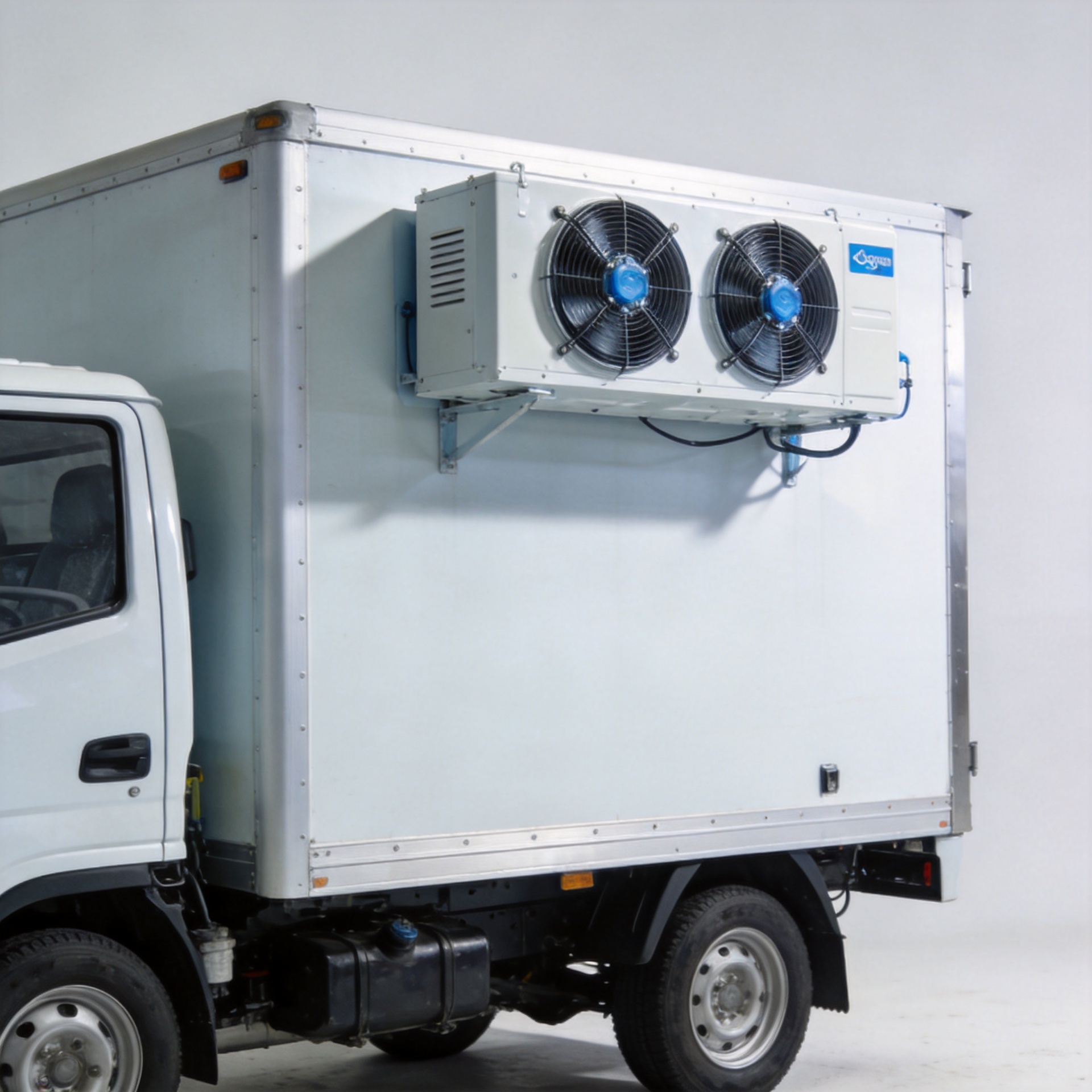
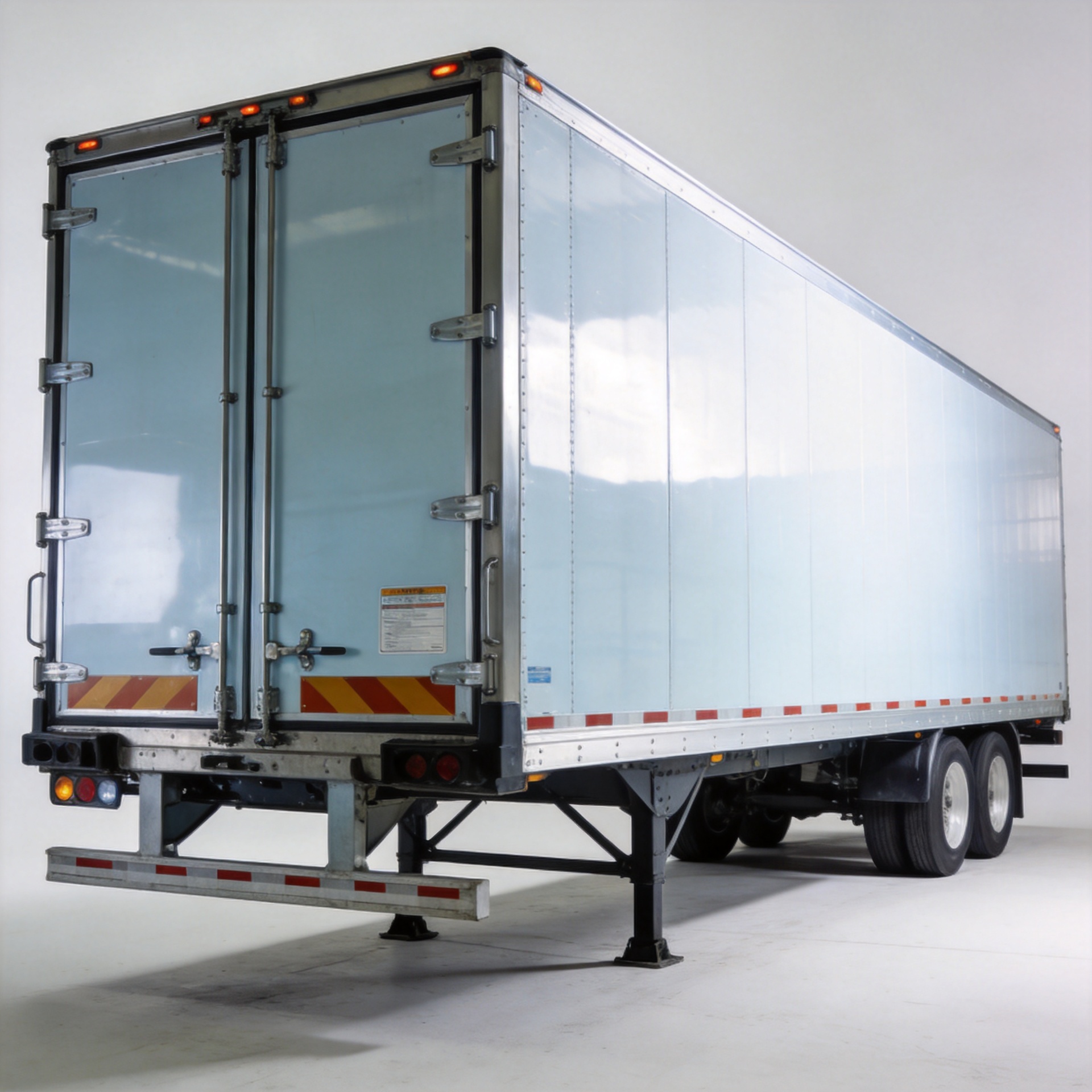
Many buyers compare refrigeration units by brand or nominal output alone. That is understandable, but the better comparison is the whole thermal package: insulation thickness, door sealing, body construction, unit capacity at the required low setpoint, and the heat load created by the route. A strong refrigeration unit cannot fully compensate for avoidable heat gain through a poorly matched body.
For frozen operations, confirm the unit’s stated performance at the intended low-temperature range rather than at a milder chilled condition. Discuss whether the cargo will be loaded already frozen or whether the truck is expected to pull down warm product. The latter creates a very different duty cycle and should not be assumed without a clear engineering discussion.
Look closely at real operating boundaries. A truck that serves a warehouse-to-warehouse run with few door openings needs a different balance from one that makes urban multi-drop deliveries. Once you identify the route, ask about door options, curtains, compartment arrangement, defrost management, and whether standby power is needed during loading or overnight staging.
Choose the body around cargo type and handling method
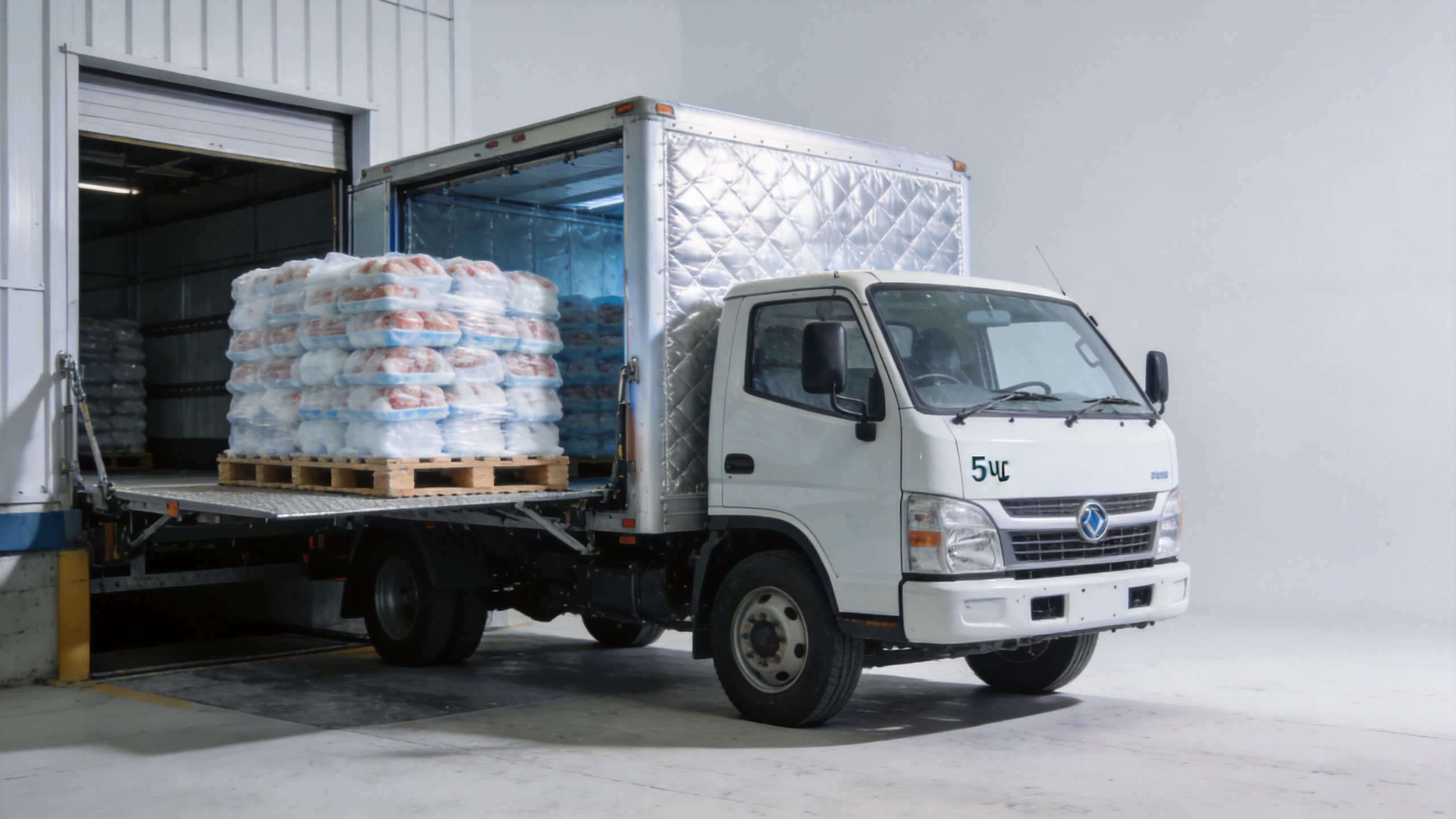
Frozen food is not one cargo category. Cartoned meat, seafood cartons, ice cream, and palletized prepared foods create different volume, airflow, and handling requirements. Before you shortlist a small refrigerated truck for sale, map carton dimensions, pallet sizes, loading equipment, and any need for cargo separation.
Airflow deserves special attention. Leave space for cold air to circulate around the load. Packing cargo tightly against evaporator outlets may look efficient, yet it can make temperature consistency harder to maintain. The body layout should also support safe loading and cleaning.
If you need an example of the configuration details worth reviewing, see this 5-ton diesel refrigerator truck for frozen-meat transport. Treat the listing as a starting point for a specification conversation: verify the final temperature capability, completed weight, body dimensions, and local compliance requirements for your own operation.
Evaluate chassis, service, and local operating conditions
The cold box is only part of the purchase. A 5-ton refrigerated truck must also fit the roads, fuel availability, driver conditions, and service support in your destination market. For export buyers, confirm chassis availability, refrigeration-service coverage, tire specification, and electrical compatibility before ordering.
A lower purchase price can be attractive, but long-term operating cost includes refrigeration maintenance, body repairs, consumables, fuel use, downtime, and parts access. A technically suitable small refrigerated truck for sale is therefore one that your team can operate and maintain consistently—not merely one that meets a headline specification.
Questions to ask before ordering a small refrigerated truck for sale
Before you approve a specification, ask the supplier to respond to the same operating scenario you expect to run. For example: What is the expected performance when the truck starts at the planned frozen-food setpoint, carries a palletized load, makes several deliveries, and operates in your hottest seasonal conditions? This keeps a small refrigerated truck for sale comparison focused on a usable configuration instead of a generic brochure claim.
- What is the completed vehicle weight for this chassis, insulated body, and refrigeration unit?
- What temperature range is stated for the selected refrigeration configuration, and under which test conditions?
- How do the door type, floor, partitions, and airflow layout support the proposed cargo?
- Which service items and spare parts should a fleet plan for locally?
A practical 5-ton refrigerated-truck buying checklist
- Define each product’s target temperature and route conditions in writing.
- Calculate usable payload from the completed vehicle, not from an unverified category label.
- Confirm refrigeration performance at the required frozen setpoint and expected ambient conditions.
- Review insulation, doors, airflow, compartment needs, and pallet layout together.
- Check the chassis and finished vehicle against local weight, dimension, and import requirements.
- Ask for configuration-specific documents before finalizing the order.
- Plan operator procedures for pre-cooling, loading, door discipline, temperature monitoring, and cleaning.
Make the selection on operating fit
The right 5-ton refrigerated truck is not automatically the biggest body or the lowest quotation. It is the configuration that can carry the normal frozen-food load legally, hold the required temperature through the real delivery pattern, and remain maintainable in your market. Start with temperature and cargo data, validate usable payload, then compare the complete thermal and vehicle package.