EN
EN


What Is a Reefer Truck? Cold Chain Transportation Explained for Buyers
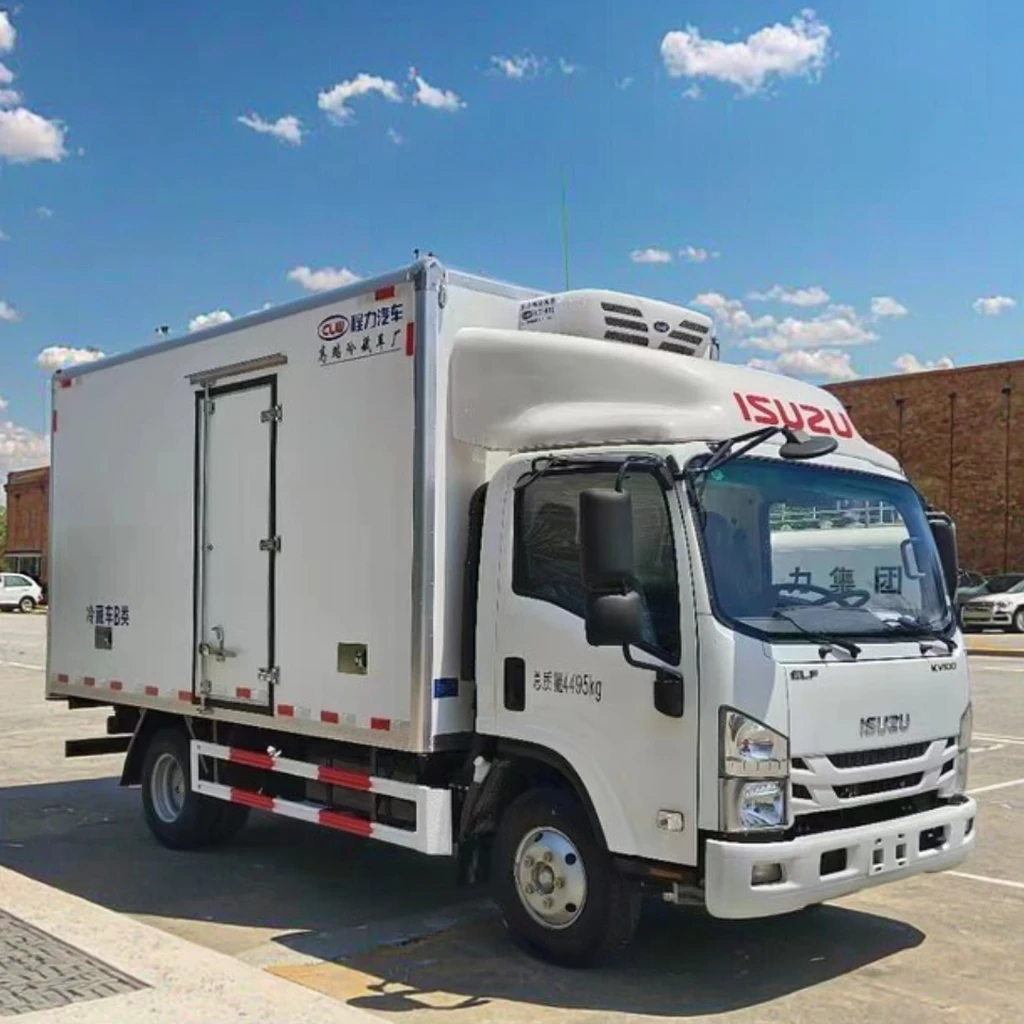
If you are entering the cold chain transportation market for the first time, the term "reefer truck" can seem like industry jargon. It is not. A reefer truck — short for refrigerated truck — is a commercial vehicle equipped with a mechanical refrigeration unit to maintain a controlled temperature environment inside the cargo box during transit. Whether it is called a reefer truck, a fridge truck, or a refrigerated lorry, the underlying purpose is the same: protect temperature-sensitive goods from the point of loading to the point of delivery without uncontrolled temperature variation.
The stakes in cold chain logistics are significant. According to the Food and Agriculture Organization, approximately 13.2% of food is lost between harvest and retail — much of it due to inadequate temperature control during transport. Understanding how a reefer truck works, what temperature ranges it can maintain, and which configuration fits your cargo type is the foundation of a sound procurement decision.
How Does a Reefer Truck Refrigeration System Work?
Think of the refrigeration unit in a reefer truck the same way you think about a household air conditioner, scaled up for a moving cargo environment. The system operates on a vapor-compression cycle involving four core components: the compressor, the condenser, the expansion valve, and the evaporator.
The cycle works as follows:
- Compression: The compressor pressurizes the refrigerant gas, raising its temperature and pressure before passing it to the condenser.
- Condensation: The hot, pressurized refrigerant moves through the condenser coils on the outside of the unit, where it releases heat to the ambient air and changes to a high-pressure liquid state.
- Expansion: The liquid refrigerant passes through the expansion valve, which drops its pressure rapidly, causing it to cool dramatically.
- Evaporation: The cold, low-pressure refrigerant enters the evaporator coils inside the cargo compartment. As it absorbs heat from the cargo space, it evaporates back to a gas — cooling the interior — before returning to the compressor to repeat the cycle.
Most reefer truck units run independently from the vehicle engine, powered by a dedicated diesel generator or an electric standby option. This independence matters: refrigeration continues even when the vehicle is parked for loading, unloading, or mandatory rest stops — a critical detail when you are moving pharmaceuticals or fresh produce across long-haul routes.
Temperature Range Classifications: Chilled vs. Frozen vs. Deep-Frozen
Not all reefer trucks operate at the same temperature. The category of cargo you ship determines the temperature zone you need, and selecting the wrong zone will either under-protect your product or create unnecessary operating costs. The three main classifications are:
| Temperature Zone | Operating Range | Typical Cargo |
|---|---|---|
| Chilled | 0°C to +8°C | Fresh produce, dairy, flowers, pharmaceuticals |
| Frozen | -10°C to -18°C | Frozen meat, poultry, seafood |
| Deep-Frozen | -18°C to -25°C (or lower) | Ice cream, frozen processed foods, certain biologics |
A standard reefer truck or fridge truck can typically span the chilled-to-frozen range without modification. Deep-frozen requirements demand refrigeration units with higher capacity compressors and enhanced insulation — factors that affect both upfront cost and fuel consumption. Clarify your specific cargo temperature requirement before evaluating any reefer truck configuration, because the refrigeration unit is the hardest component to change after purchase.
Which Industries Depend on Reefer Trucks?
Any industry where product integrity depends on unbroken temperature control from origin to destination relies on reefer trucks. Four sectors drive the bulk of global refrigerated truck demand.
Food and Fresh Produce
Fresh fruits, vegetables, meat, poultry, and dairy products are the largest application category for reefer trucks worldwide. Chilled cargo, typically running between 0°C and 8°C, requires consistent airflow distribution throughout the cargo box — not just at the evaporator end. A well-configured reefer truck for produce distribution will have air circulation channels that prevent hot spots and maintain temperature uniformity across the entire load.
Meat and Protein Supply Chains
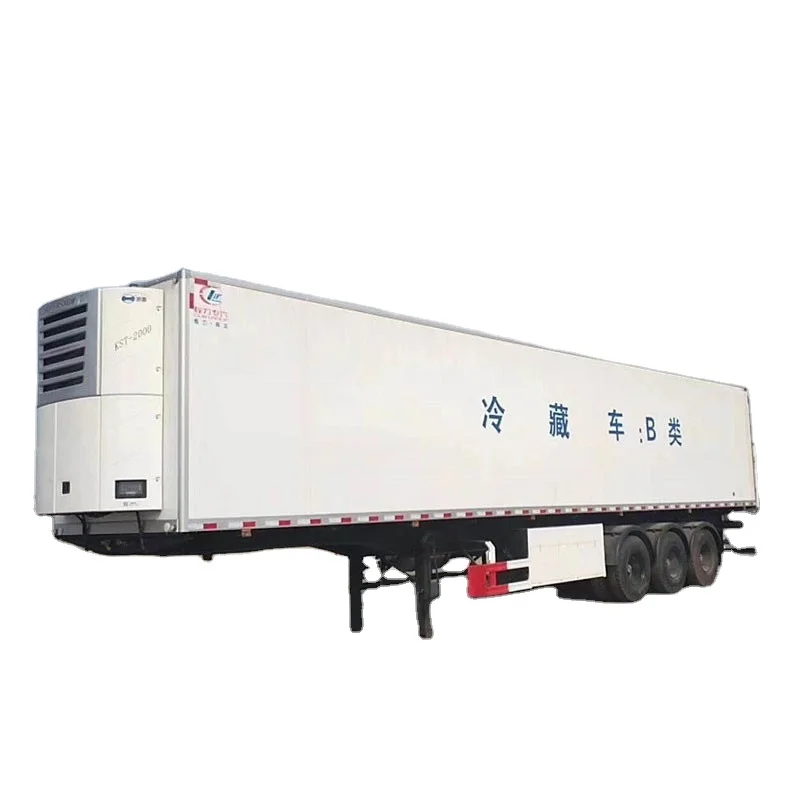
Frozen meat transport is a high-volume segment that typically demands -18°C or lower. Configurations like a multi-axle refrigerator semi-trailer are common choices for high-volume meat distribution networks, where payload capacity and consistent sub-zero temperatures must work together over long distances. CLW Trucks offers a 3 Axle Refrigerator Semi-trailer with meat hook design built for exactly this application — featuring the payload volume and hook configurations that meat processors and wholesalers require for efficient loading and transit.
Pharmaceutical and Healthcare
Pharmaceutical cold chain is arguably the most demanding application for a reefer truck. The World Health Organization specifies that most vaccines must be stored and transported within a strict range of 2°C to 8°C. Deviations — even brief ones during a door opening or a compressor restart — can render an entire vaccine shipment unusable. For pharmaceutical buyers, reefer trucks must come with reliable temperature logging, alarm systems, and redundancy in the refrigeration unit. These technical specifications are compliance requirements, not optional features.
Flowers and Perishable Specialty Products
Cut flowers, potted plants, and specialty perishable goods such as fresh herbs and live seafood occupy a niche but growing segment of the reefer truck market. Temperature requirements vary by product — most cut flowers are transported between 2°C and 8°C — but the priority is often as much about humidity control and ventilation as about raw cooling power. Buyers sourcing reefer trucks for this segment should pay attention to airflow design and door seal quality.
What to Consider When Buying a Reefer Truck
Selecting a reefer truck is less about finding the most impressive specification sheet and more about matching the refrigeration system to your actual operating conditions. Four questions matter most:
- What temperature range does your cargo require — consistently? A reefer truck that can technically reach -25°C but only holds -18°C under heavy load in summer heat is a mismatch for deep-frozen pharmaceutical cargo.
- What is your typical route and ambient climate? Trucks operating in tropical conditions need refrigeration units with a higher cooling capacity buffer than those running in temperate zones.
- What payload capacity do you need? A 5-ton single-axle reefer truck handles urban last-mile distribution efficiently. A three-axle semi-trailer configuration scales to large-volume intercity or export routes.
- What are your emission compliance requirements? Markets with Euro 6 or equivalent standards will restrict older diesel engines. CLW Trucks' 4x2 LHD 5-Ton Diesel Refrigerator Truck is built to Euro 6 emission standards, making it compliant for export to regulated markets.
The refrigerated truck market is growing steadily — valued at approximately USD 10.98 billion globally in 2026 and projected to reach USD 14.34 billion by 2032. That growth is driven by rising demand in food, pharmaceutical, and e-commerce cold chain sectors. Buyers entering this market now have access to a wider range of proven reefer truck configurations than at any previous point, which makes understanding the fundamentals — refrigeration mechanics, temperature zones, and cargo matching — more valuable, not less.
Final Thoughts
A reefer truck, or fridge truck, is the operational backbone of the modern cold chain. The refrigeration system it carries is not just a temperature box — it is a precision instrument that must match the specific thermal requirements of each cargo category, from fresh produce to frozen meat to temperature-sensitive vaccines. Before you source a reefer truck, define your cargo's temperature requirements, your route's climate conditions, and your payload volume. Those three variables will narrow your options faster than any product catalog can.
If you are evaluating refrigerated truck configurations for meat processing, pharmaceutical distribution, or general cold chain logistics, explore the range of reefer truck models available from CLW Trucks — built to export standards with Euro 6 engines and multiple temperature range options.