EN

Choosing Garbage Dump Truck: A Guide for Commercial Vehicle Buyers
Buying a garbage dump truck is not a matter of choosing the largest body or the lowest quotation. For a municipal contractor, fleet operator, dealer, or project buyer, the right vehicle has to match the waste stream, collection route, unloading site, operator workflow, and destination-market regulations. A vehicle that looks efficient on a specification sheet can become an expensive mismatch if its body volume, axle configuration, loading arrangement, or hydraulic system does not suit daily operations.
This guide gives commercial buyers a practical way to understand a garbage dump truck, compare configurations, verify a supplier’s offer, and prepare for a purchase decision. It also distinguishes a dump-style waste vehicle from enclosed compactor equipment, because the two solve different collection problems.
Start With the Job: What Must the Garbage Dump Truck Do?
Use the route and material flow before using a brochure. A garbage dump truck may refer to different configurations in different markets: a tipping body for loose or bulky waste, a hook-lift or roll-off carrier for containers, a rear-loading compactor truck for municipal collection, or a vehicle with specialized loading equipment. The name alone is not enough for procurement.
Document the operating conditions in a short route brief:
- Waste type and density: household waste, construction debris, green waste, recyclables, or transfer-station material behave differently under the same nominal body volume.
- Collection method: manual loading, bins, rear loading, side loading, front loading, or container handling determines the body and hydraulic arrangement.
- Route geometry: narrow urban streets, steep access roads, long highway hauls, and rough work sites require different chassis, turning, braking, and suspension choices.
- Discharge method: confirm whether the receiving facility expects tipping, ejection, compaction discharge, or container exchange.
- Operating cycle: calculate loads per shift, travel distance, crew size, planned maintenance windows, and the availability of fuel or service support.
This approach prevents a common mistake: selecting a larger garbage dump truck body without checking whether the legal gross vehicle weight, axle limits, or route conditions allow the vehicle to carry the theoretical volume.
Choose the Configuration Before Comparing Prices
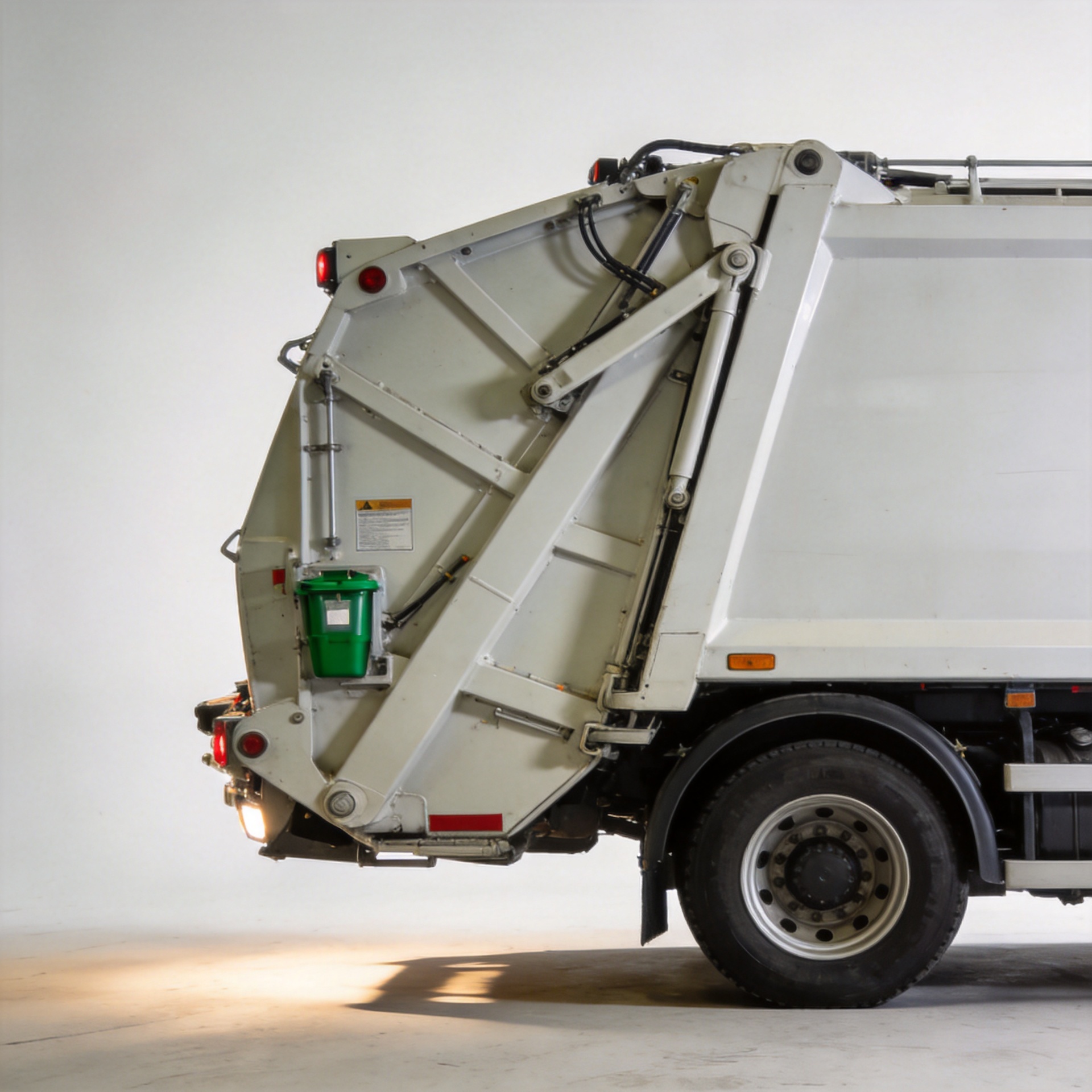
For mixed construction or bulky waste, a tipper-oriented body may offer straightforward loading and discharge. For sealed municipal collection, an enclosed compactor body can help control leakage and spillage while increasing payload efficiency for compressible waste. Containerized systems may be a better fit where customers or transfer stations use standardized bins or detachable containers.
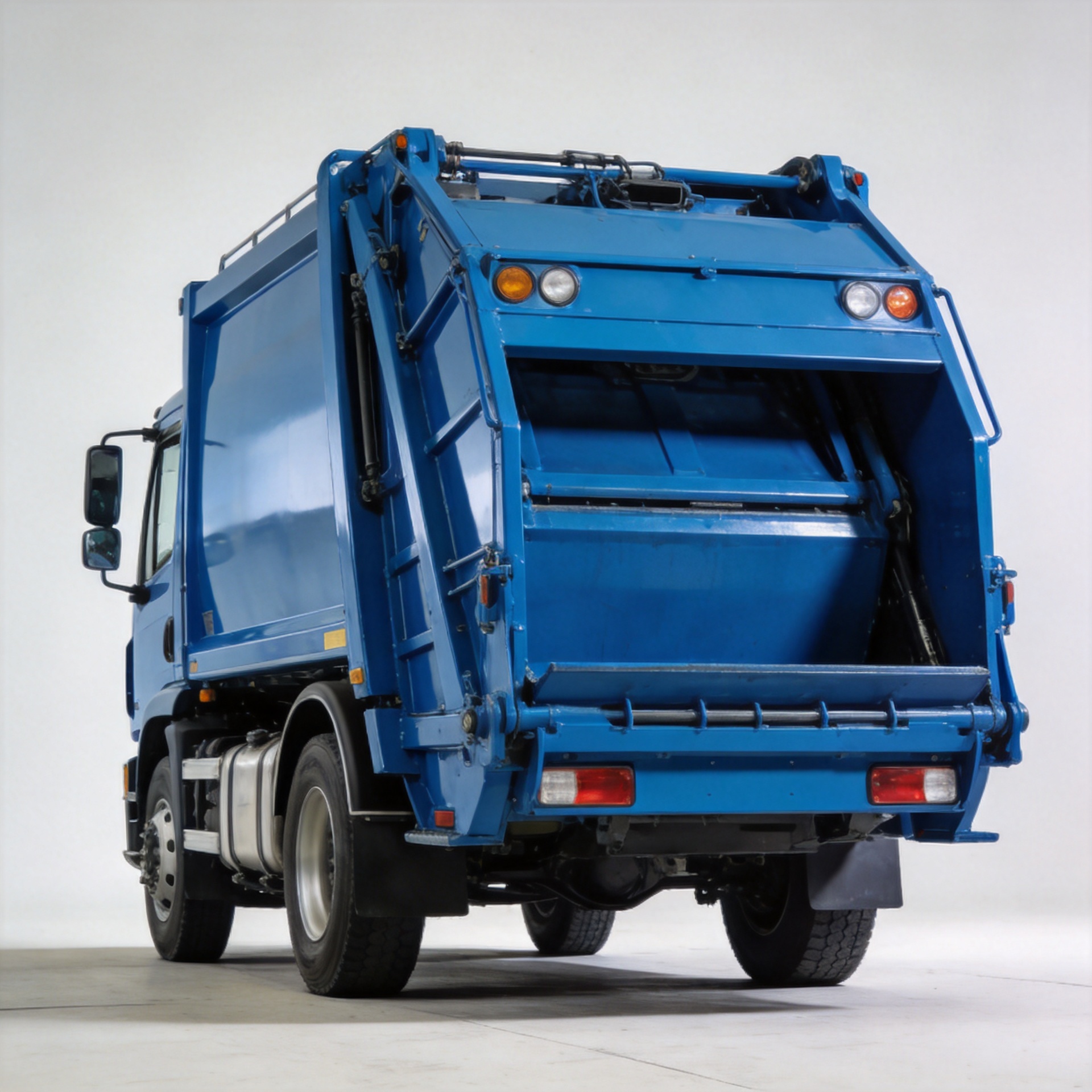
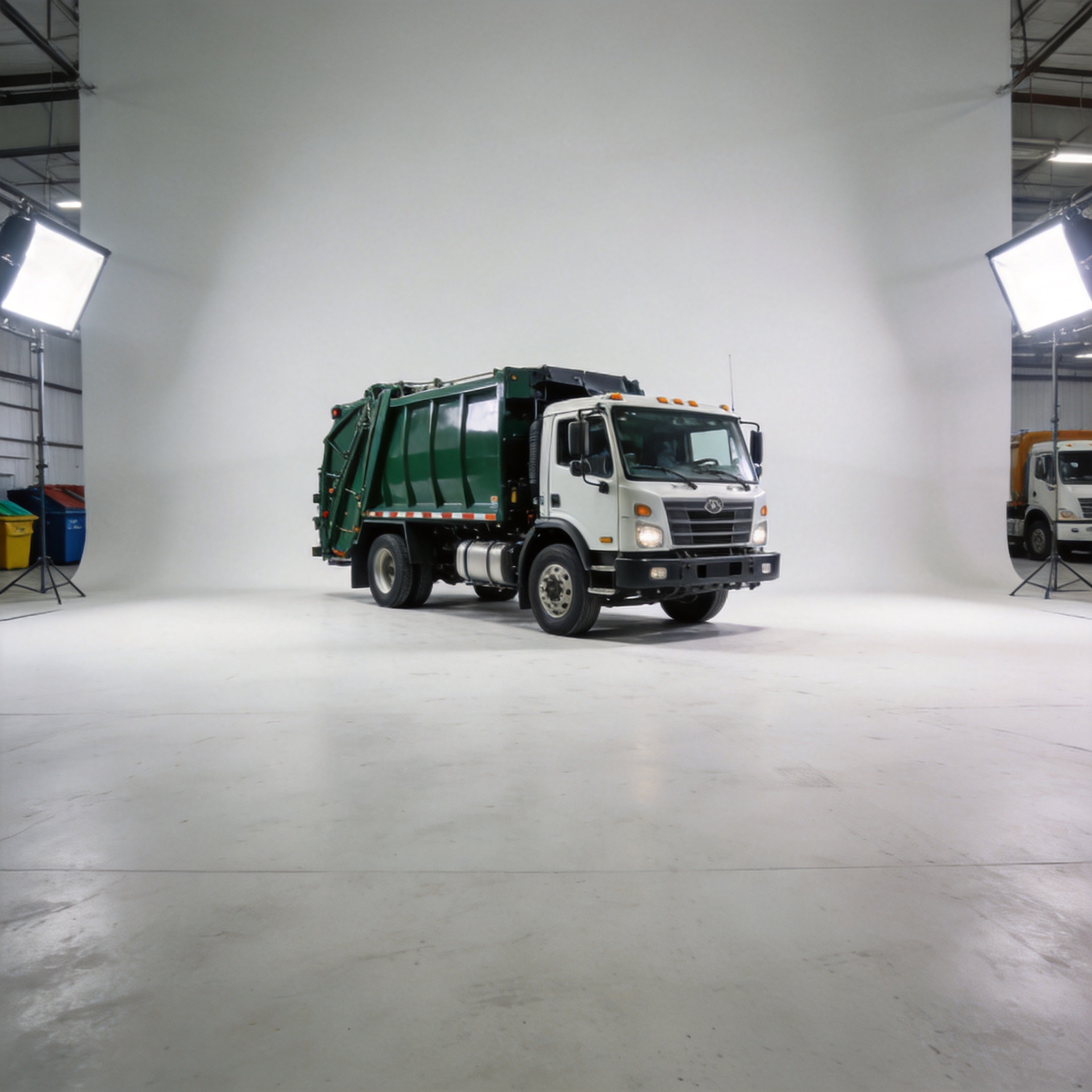
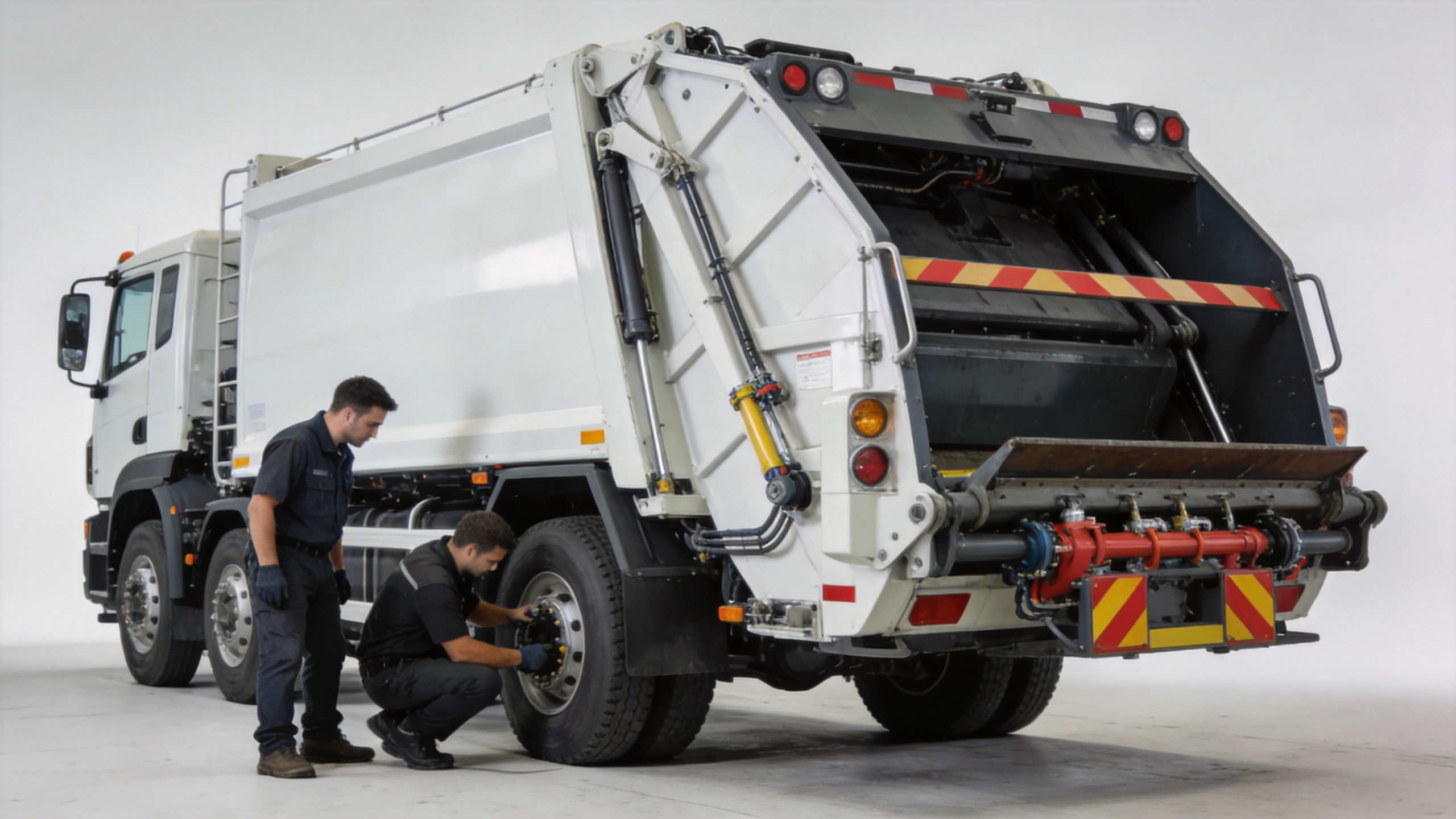
Do not compare these vehicle types as if they were identical. Instead, ask suppliers to identify the proposed loading method, body material, discharge sequence, hydraulic circuit, chassis wheelbase, axle layout, and intended waste stream. Where a rear-loading compactor configuration fits the route, a verified internal example is the HOWO 6×4 20 cbm compactor garbage truck with PLC hydraulic system. Treat that page as one identified configuration to evaluate, not as a universal specification for every garbage dump truck.
Read the Specification Sheet as a System
A useful purchase comparison starts with a like-for-like specification matrix. Ask every bidder to complete the same fields, including the chassis model, engine and transmission option, wheelbase, axle ratings, tire specification, body dimensions, nominal volume, estimated payload range for the stated waste stream, hydraulic pump and PTO arrangement, cycle time, electrical controls, and safety devices.
| What to verify | Why it matters | Buyer question |
|---|---|---|
| Body volume and usable volume | Nominal cubic meters do not equal legal payload. | What waste density and loading condition were used for the capacity claim? |
| Chassis and axle ratings | They affect payload, route durability, and legal operation. | What are the front and rear axle limits at the proposed body and wheelbase? |
| Hydraulic and PTO system | They drive lifting, compaction, tipping, and cycle reliability. | Which pump, valve, hose, and control components are specified, and how are they serviced? |
| Body sealing and drainage | They influence leakage control and clean-down work. | How are seams, tailgate seals, and leachate management handled? |
| Safety equipment | It protects operators and supports compliance review. | Which interlocks, emergency stops, cameras, alarms, lights, and anti-slip features are included? |
Ask for dimensional drawings and an actual weight breakdown rather than relying only on a marketing image. If the truck will cross borders, have the buyer’s compliance team review the local rules early. As one example, U.S. solid-waste collection guidance emphasizes preventing spillage during transit and regularly checking brakes, lighting, tires, reverse-warning devices, and hydraulic systems. It is not a substitute for your local regulation, but it illustrates why a garbage dump truck purchase should include maintenance and safety evidence as well as capacity figures.
Assess the Supplier and Factory Evidence
For an export purchase, the supplier evaluation should cover more than price and delivery promise. Request the vehicle configuration sheet, chassis source, body drawings, quality-control checkpoints, pre-delivery inspection process, spare-parts recommendation, operating manual, and available export documentation. Confirm who owns technical clarification if the chassis and upper body come from different organizations.
CLW Special Truck Sales Co., Ltd. operates in the special-vehicle sector and serves overseas markets including Asia, Africa, South America, Oceania, and North America. For buyers considering a Chinese supplier, that export experience can be relevant—but it should still be validated against the exact destination, chassis choice, import paperwork, and after-sales plan for the project. A good supplier will answer questions with configuration-specific documents rather than broad claims.
Use a Procurement Checklist Before You Issue the PO
- Freeze the route brief and waste profile, including the expected collection and unloading workflow.
- Compare at least two technically equivalent offers rather than comparing headline volumes alone.
- Confirm the legal weight and dimension limits for the destination market and planned route.
- Review the chassis-body integration, hydraulic diagram, electrical controls, and safety interlocks.
- Agree on the acceptance inspection: appearance, dimensions, operation cycles, leakage checks, alarms, documentation, and photo or video evidence.
- Specify spare parts, training materials, warranty responsibilities, service contacts, shipment method, and handover documents.
For large or repeat orders, add a pre-shipment inspection with a written acceptance checklist. The aim is not to create paperwork for its own sake; it is to ensure the delivered garbage dump truck matches the route, compliance, and lifecycle expectations that justified the purchase.
Make the Decision on Total Operating Fit
The right garbage dump truck is the one that performs safely and predictably in its assigned collection system. Consider purchase price alongside payload utilization, cycle time, fuel use, maintenance access, parts availability, operator safety, and downtime risk. A smaller, route-matched vehicle can create a better daily result than an oversized unit that cannot work efficiently in narrow streets or reaches its legal weight limit before filling the body.
Before placing an order, turn the supplier’s proposal into a signed technical annex. It should state the confirmed chassis, body configuration, dimensions, controls, safety features, agreed documents, inspection method, and service obligations. That final step turns a garbage dump truck quotation into a procurement decision that operations, finance, and maintenance teams can all support.