EN

Understanding Junk Removal Truck For Sale: A Guide for Commercial Vehicle Buyers
When commercial buyers search for a junk removal truck for sale, the first decision is rarely the listing itself. The useful question is whether the vehicle can move the waste stream, crew, route schedule, and unloading method your operation actually needs. A truck that looks large on a sales page can still be a poor fit if its legal payload is too low, its loading height slows crews, or its body layout does not match the material being collected.
For a municipal contractor, facilities operator, or growing removal business, a disciplined review turns a junk removal truck for sale into a procurement decision instead of a speculative purchase. Start with operating evidence, compare configurations on the same basis, and ask suppliers to document the chassis-body match before you commit.
Start with the Collection Job, Not the Truck Listing
Write a one-page operating brief before comparing any junk removal truck for sale. Include the usual waste types, daily stops, average load density, crew size, road conditions, transfer-station process, and the maximum time available for unloading. Bulky light materials such as furniture may consume volume first; wet debris, soil, construction offcuts, and mixed refuse can reach a weight limit much earlier.
This distinction matters because body volume and permitted payload are not interchangeable. Gross Vehicle Weight Rating (GVWR) is the manufacturer-rated maximum combined weight of the vehicle, cargo, people, fuel, and other fluids. Buyers should therefore obtain the chassis rating, completed vehicle weight, body weight, and estimated crew/equipment weight, then calculate a practical payload with a sensible operating margin. Do not assume that a higher-sided body automatically carries more usable material on the road.
For short urban routes, maneuverability, cab visibility, and loading height may be more valuable than maximum cubic capacity. For longer transfer runs, body containment, axle loading, access to service, and unloading speed usually deserve greater weight. In other words, buy a junk removal truck for sale for the route cycle—not for the largest headline number.
Choose the Body and Unloading Method Around Your Waste Stream
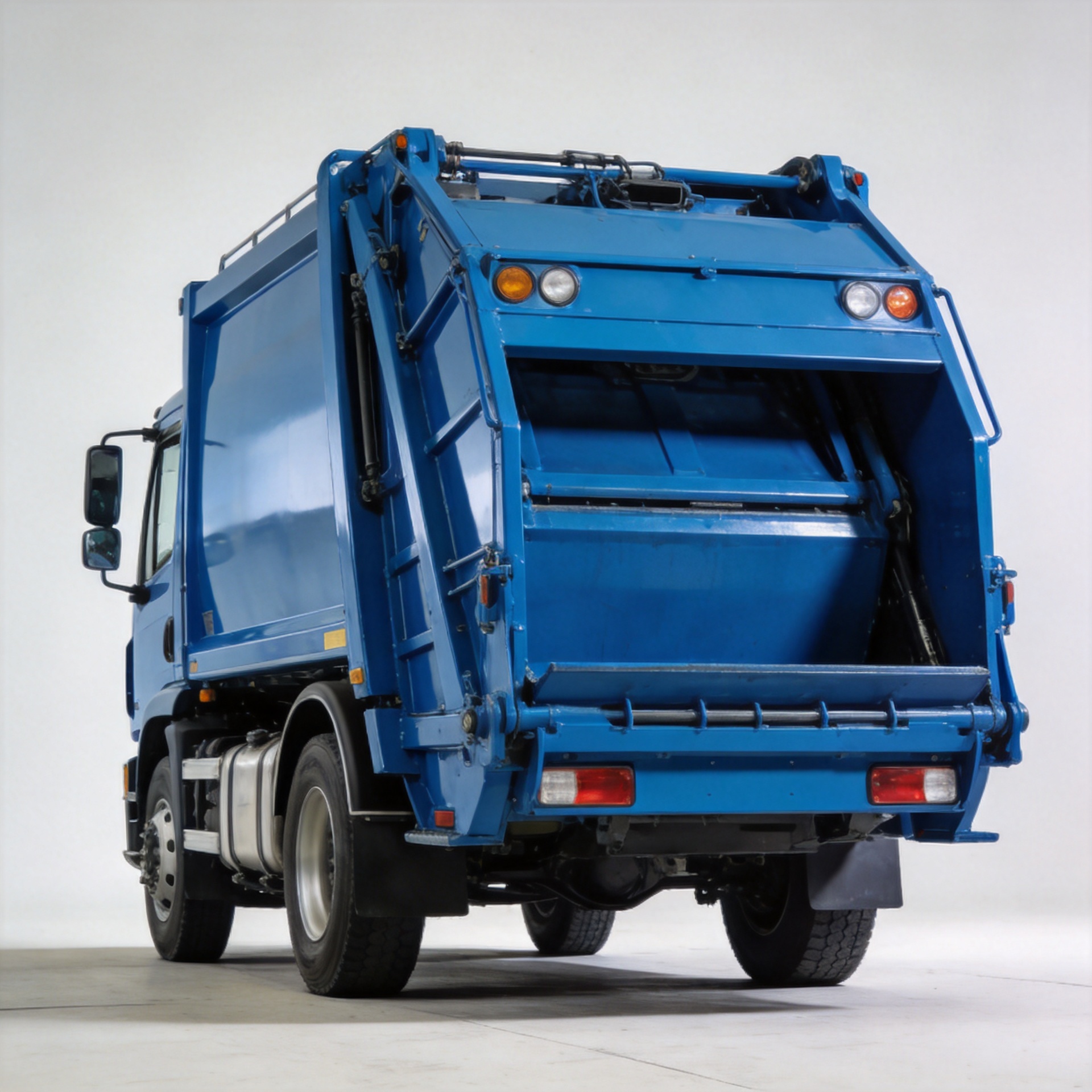
A dedicated junk-removal body, tipper/dump body, compactor body, or chassis-and-container arrangement can all be valid choices. The right answer depends on how material enters the truck and how it leaves it. Ask suppliers to explain the loading edge, floor construction, side access, tailgate arrangement, securing points, drainage, and discharge procedure in writing.
- Open or high-side bodies can suit bulky, relatively light items where crews load by hand and containment can be managed safely.
- Dump-style bodies can speed unloading for loose material, but the hydraulic system, rear clearance, center of gravity, and site conditions must be reviewed together.
- Compactor-style bodies can improve containment for appropriate waste streams, yet buyers should verify the body is compatible with the intended material and local disposal process rather than assuming one system handles every type of debris.
- Container or hook-lift approaches can be useful when the collection and disposal cycle benefits from swapping bodies, but they introduce additional chassis, site, and operator requirements.
Many buyers focus on a body’s static dimensions. A more useful evaluation asks what happens at the curb: Can the crew load safely? Is the floor easy to clean? Are sharp or wet materials controlled? Does the unloading method work at the actual transfer station? These questions reveal operational fit better than brochure language.
Verify Chassis, Payload, and Body Integration
Commercial vehicle procurement is a system-matching exercise. The body, subframe, chassis wheelbase, axle ratings, suspension, tires, power take-off, and hydraulic equipment need to be documented as one completed vehicle. A body can be well made and still be unsuitable if it changes axle loading, reduces available payload, or cannot be serviced where the truck will operate.
Ask for a configuration sheet that identifies the base chassis, wheelbase, engine and transmission option, axle ratings, tire specification, body dimensions, empty weight, and rated payload. If the truck includes hydraulics, request the operating description, maintenance points, safety interlocks, and pre-delivery testing record. Where the truck will be exported, confirm the importer’s licensing, emissions, roadworthiness, and documentation requirements before finalizing the build.
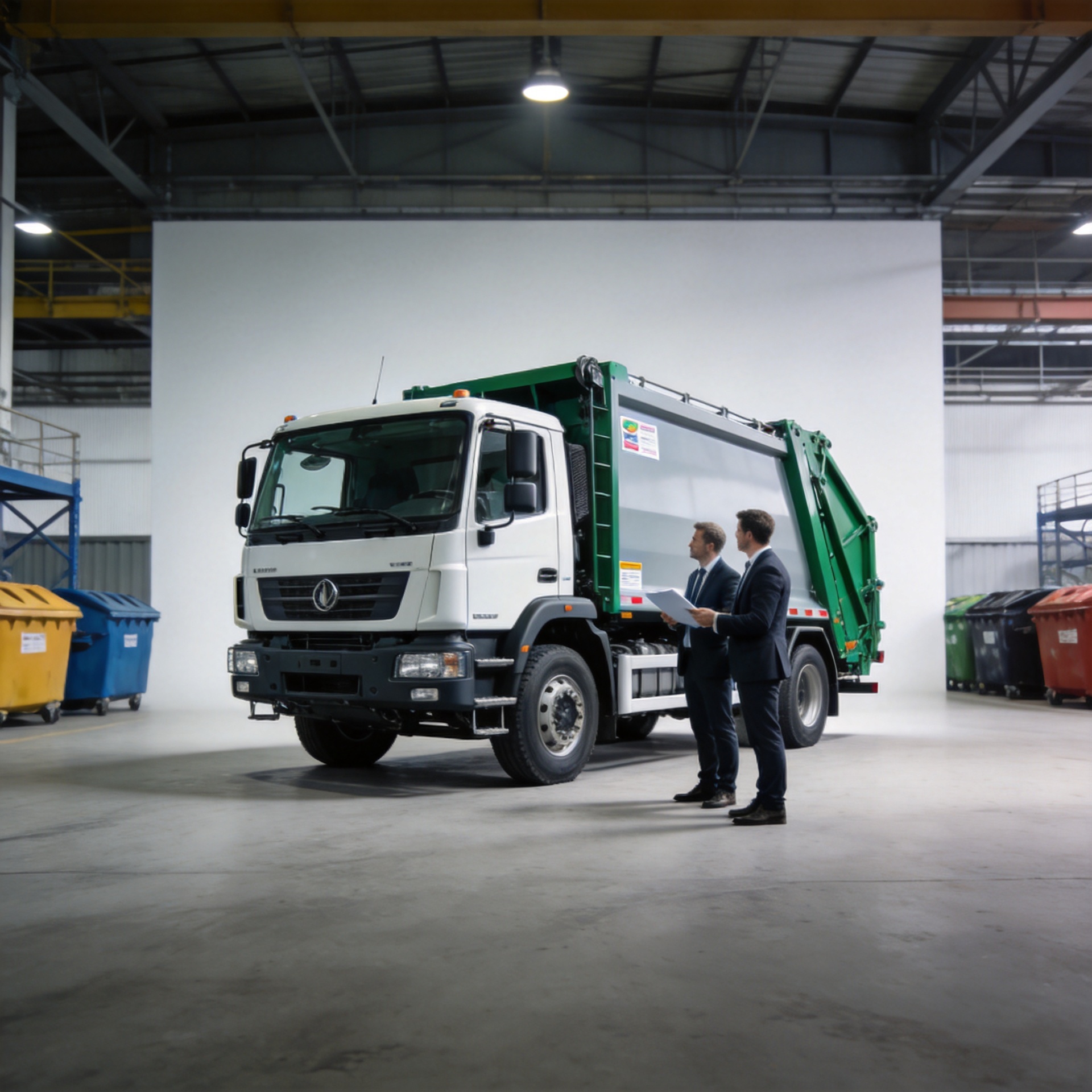
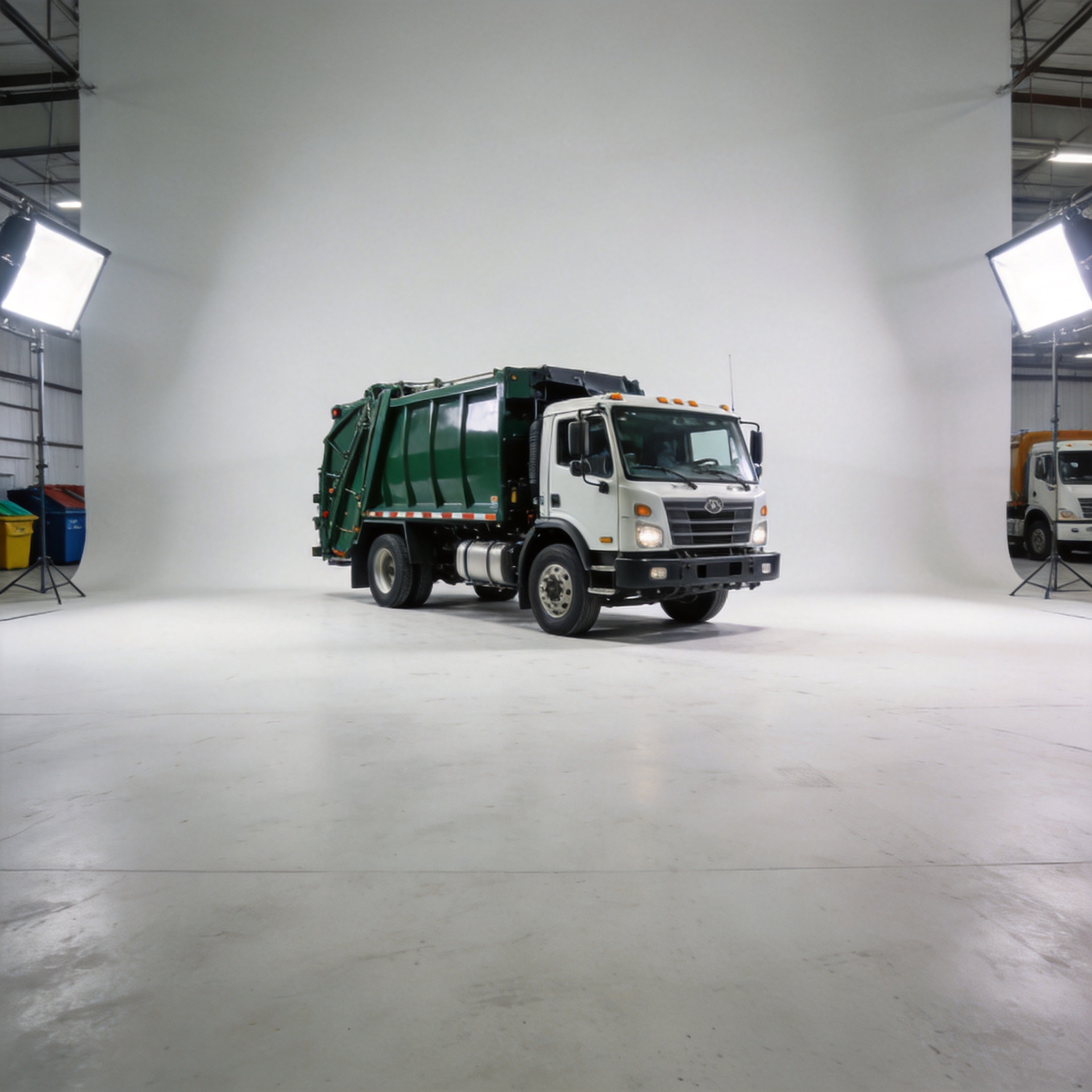
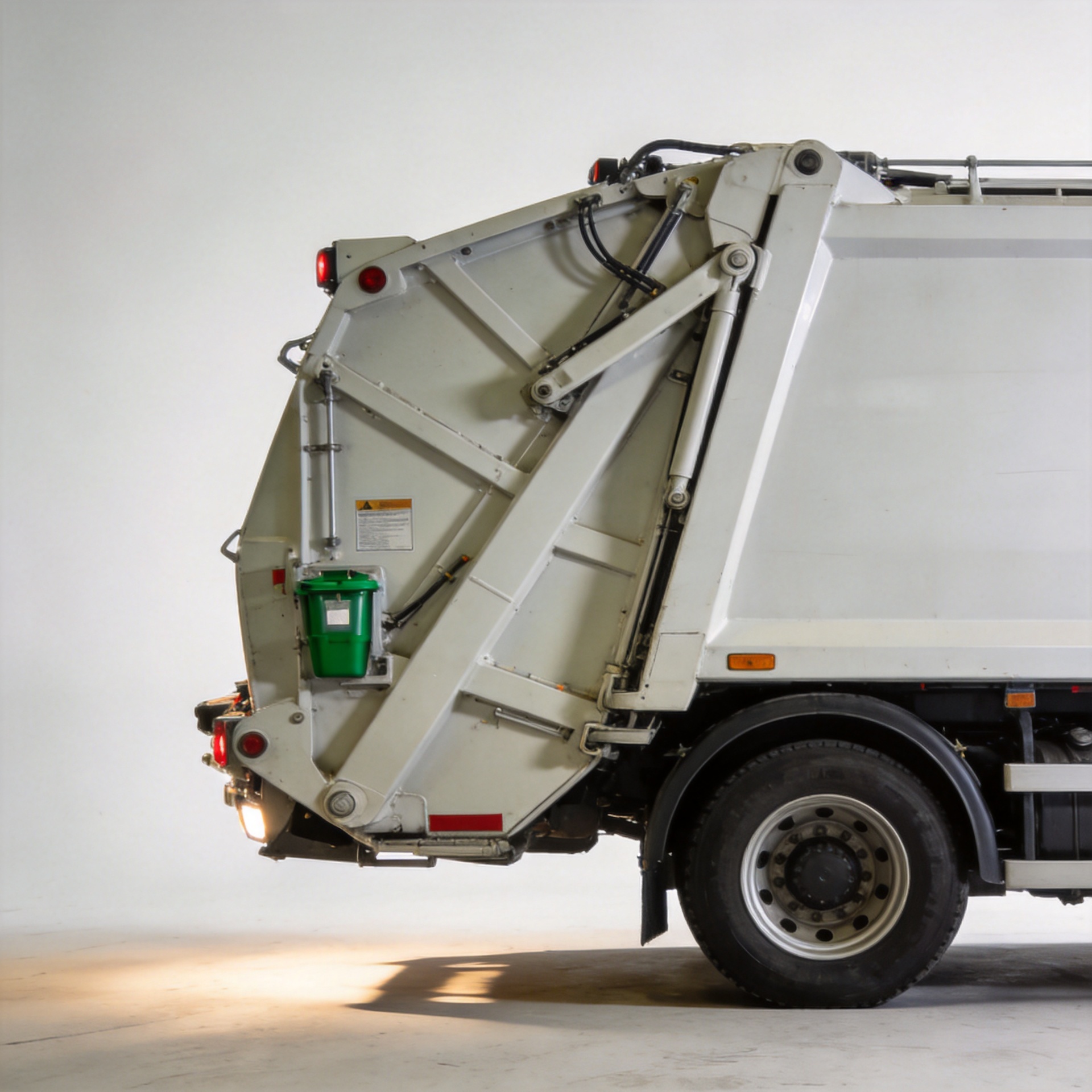
A practical example is the HOWO 6*4 20cbm Compactor Garbage Truck with PLC Hydraulic System Rear Loading Rubbish Waste Management Vehicle. It should be evaluated as a documented waste-management configuration, not treated as proof that every compacting body is right for every junk-removal route. Match the confirmed configuration, waste stream, and local operating conditions before using any comparable truck as a benchmark.
Inspect a Used or Custom-Built Truck Before You Compare Price
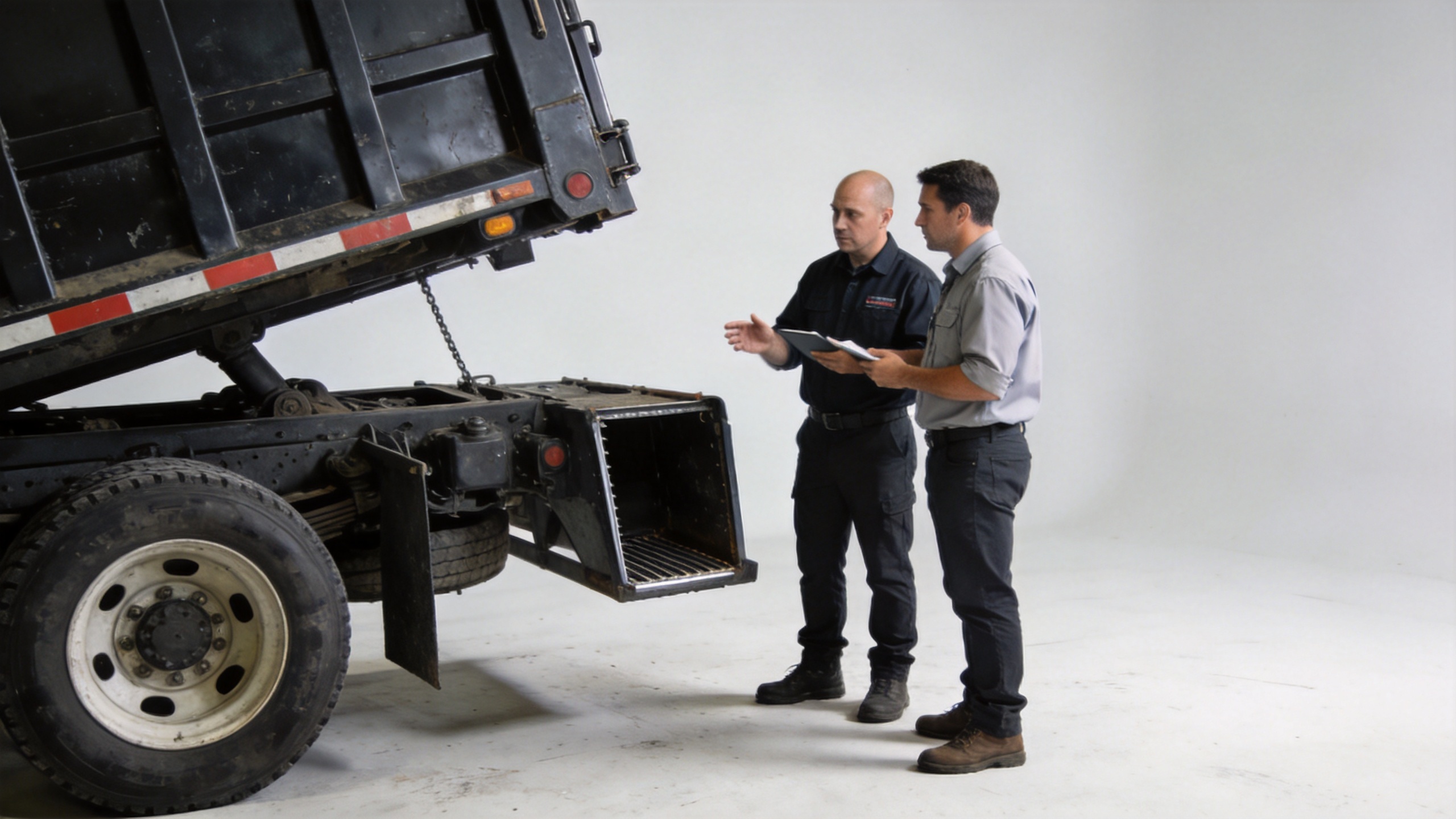
Price is only one procurement input. For a used junk removal truck for sale, inspect the frame, body floor, crossmembers, lifting or dumping components, hinges, locks, wiring, lights, tires, and signs of corrosion or repairs. Review maintenance records, ownership history, and any available weight or inspection documents. Test the relevant body functions under safe, controlled conditions and record exceptions before negotiating.
For a custom build, replace the used-vehicle history check with a build-specification review. Confirm which items are included, which are options, and who is responsible for chassis procurement, body installation, inspection, spare parts, and after-sales support. Be especially careful when comparing quotations: one supplier may include a completed vehicle while another quotes only a body or an incomplete chassis package.
| Review area | What to verify | Why it matters |
|---|---|---|
| Weight compliance | GVWR, axle ratings, completed weight, practical payload | Prevents a body-volume purchase that cannot carry the intended load legally or safely. |
| Body condition or specification | Floor, frame, doors, seals, lifting or hydraulic components | Protects uptime and helps compare like-for-like quotations. |
| Collection workflow | Loading height, access, crew movement, containment | Connects vehicle design with daily productivity and safety. |
| Service readiness | Parts availability, maintenance plan, documentation | Reduces avoidable downtime after delivery. |
Run a Comparable Procurement Process
Request every supplier to answer the same specification sheet. That simple discipline prevents a common purchasing problem: comparing one quote’s body volume against another quote’s price without knowing whether the chassis, hydraulic system, safety equipment, delivery terms, or documentation are equivalent.
- Set the operational brief and required compliance documents.
- Define mandatory and optional vehicle features.
- Ask each supplier for the completed-vehicle weight breakdown and a clear inclusion list.
- Score operational fit, maintenance access, documentation, delivery plan, and total ownership implications—not price alone.
- Inspect or arrange a third-party review before acceptance, especially for used or export-bound vehicles.
The most economical choice may not be the lowest initial quote. A slightly different junk removal truck for sale may be the stronger commercial decision if it matches your route, avoids repeated overload risk, and can be maintained with realistic parts and service support.
Questions to Resolve Before Issuing a Purchase Order
- What waste materials will this truck carry, and which limit will be reached first: volume, legal payload, or axle capacity?
- What is the completed vehicle weight with the selected body and equipment installed?
- What unloading process will be used at the actual disposal or transfer site?
- What documentation is included for the chassis, body, hydraulic equipment, inspection, and export or registration process?
- Which maintenance items require routine attention, and where will parts and service be obtained?
- Which quoted features are standard, optional, or excluded?
Make the Final Choice with Evidence
A well-chosen junk removal truck for sale is a route-ready commercial asset, not just a large container on wheels. Build the decision from real loads, real sites, verified weights, and a documented chassis-body specification. Then use a consistent supplier comparison to identify the vehicle that supports safe collection, predictable unloading, and workable lifecycle costs.
Before placing an order, share your route brief and disposal workflow with the supplier, request the completed configuration sheet, and review the vehicle against your local compliance requirements. That evidence-led process gives buyers a better basis for selecting a junk-removal truck that can keep working after delivery.