EN

Understanding Garbage Collection Truck: A Guide for Commercial Vehicle Buyers
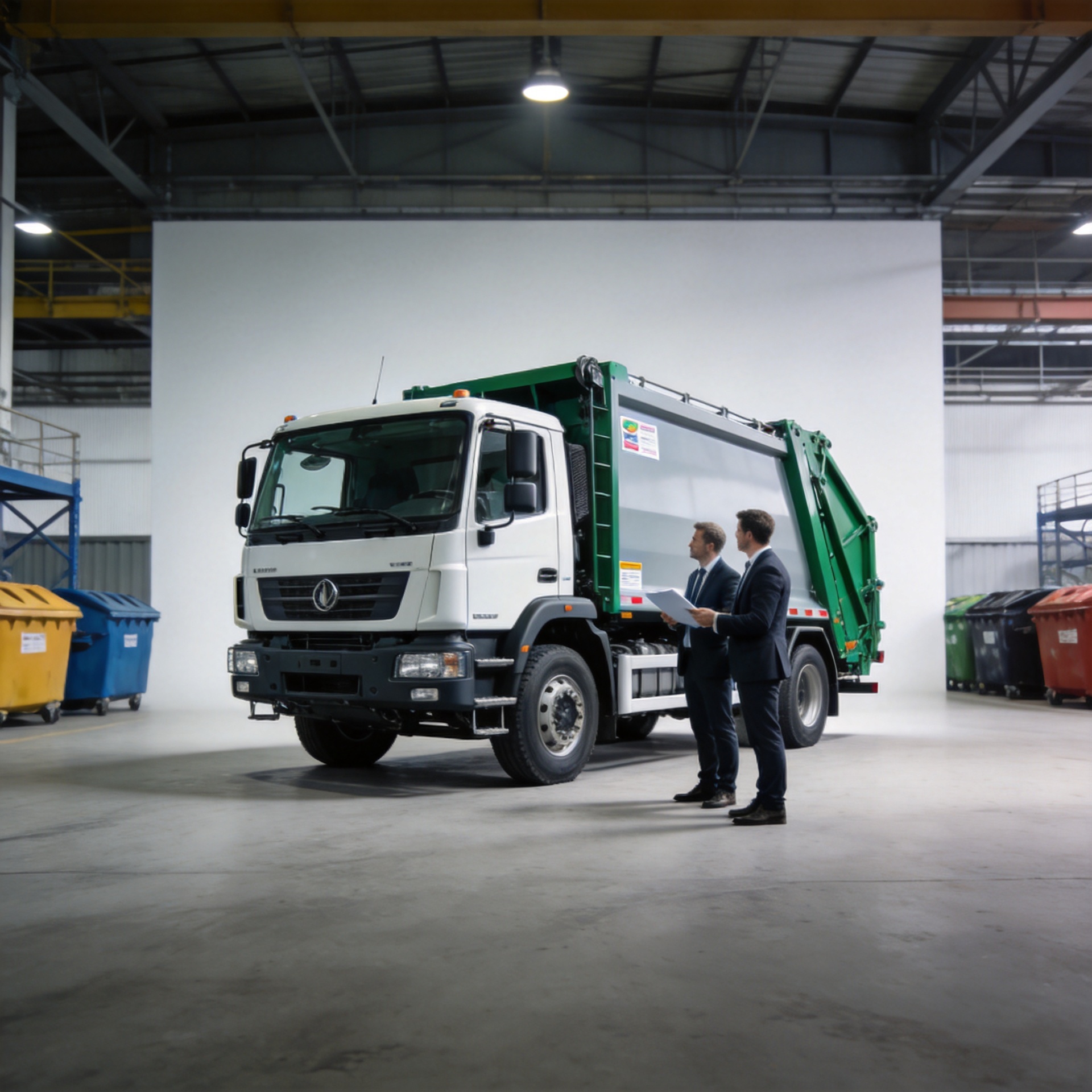
Buying a garbage collection truck is not a matter of choosing the biggest body or the lowest quotation. For a municipal contractor, private waste operator, distributor, or public-service buyer, the vehicle has to match a collection route, local road limits, container system, unloading point, service plan, and procurement rules. A truck that looks suitable on a specification sheet can still be a poor fit if its payload, loading method, or support arrangement does not suit the daily operation.
This guide explains how to understand a garbage collection truck, compare practical options, and turn operational needs into a purchasing checklist. It is written for commercial buyers at the information-gathering stage, before a model is shortlisted or a tender is released.
Start with the job, not the truck category
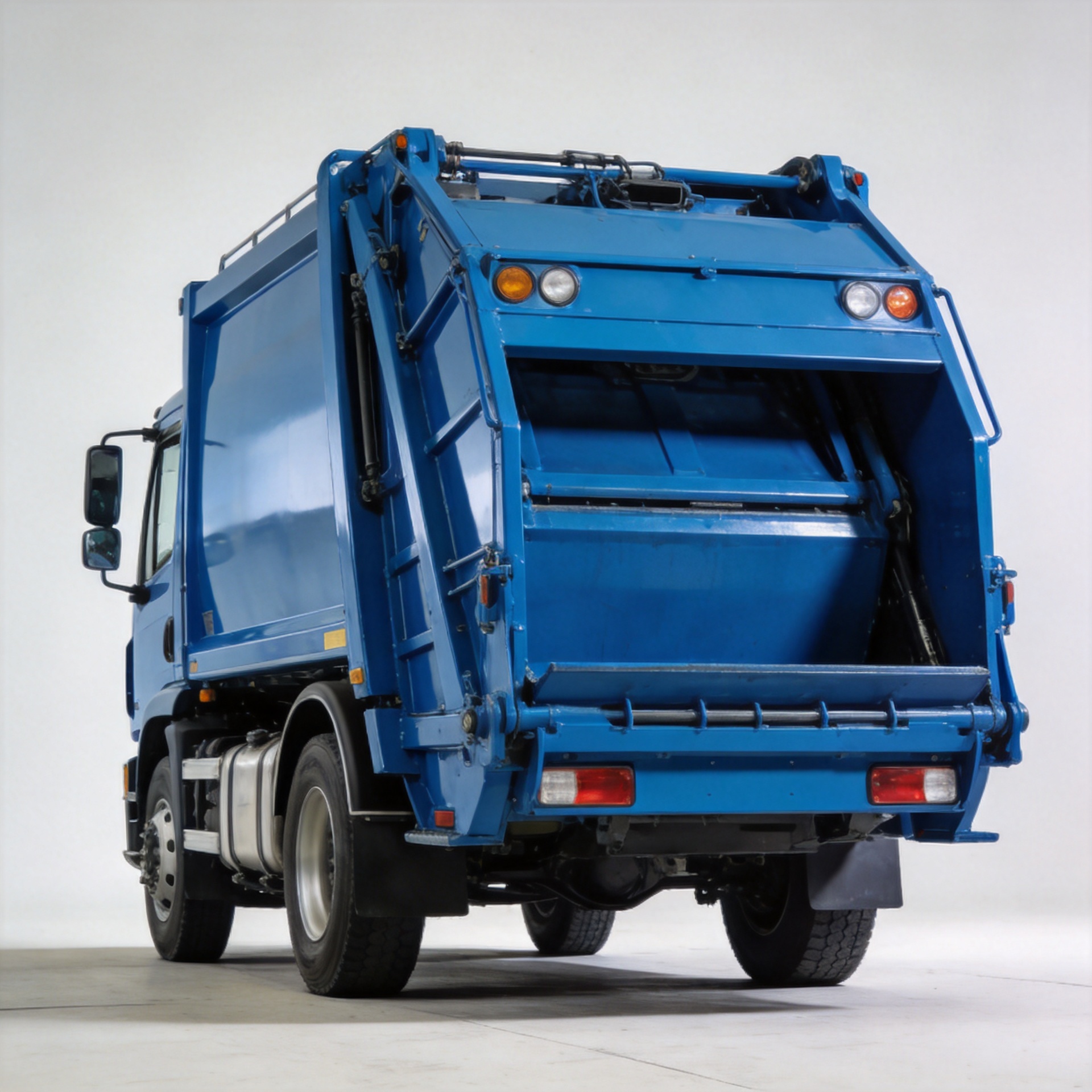
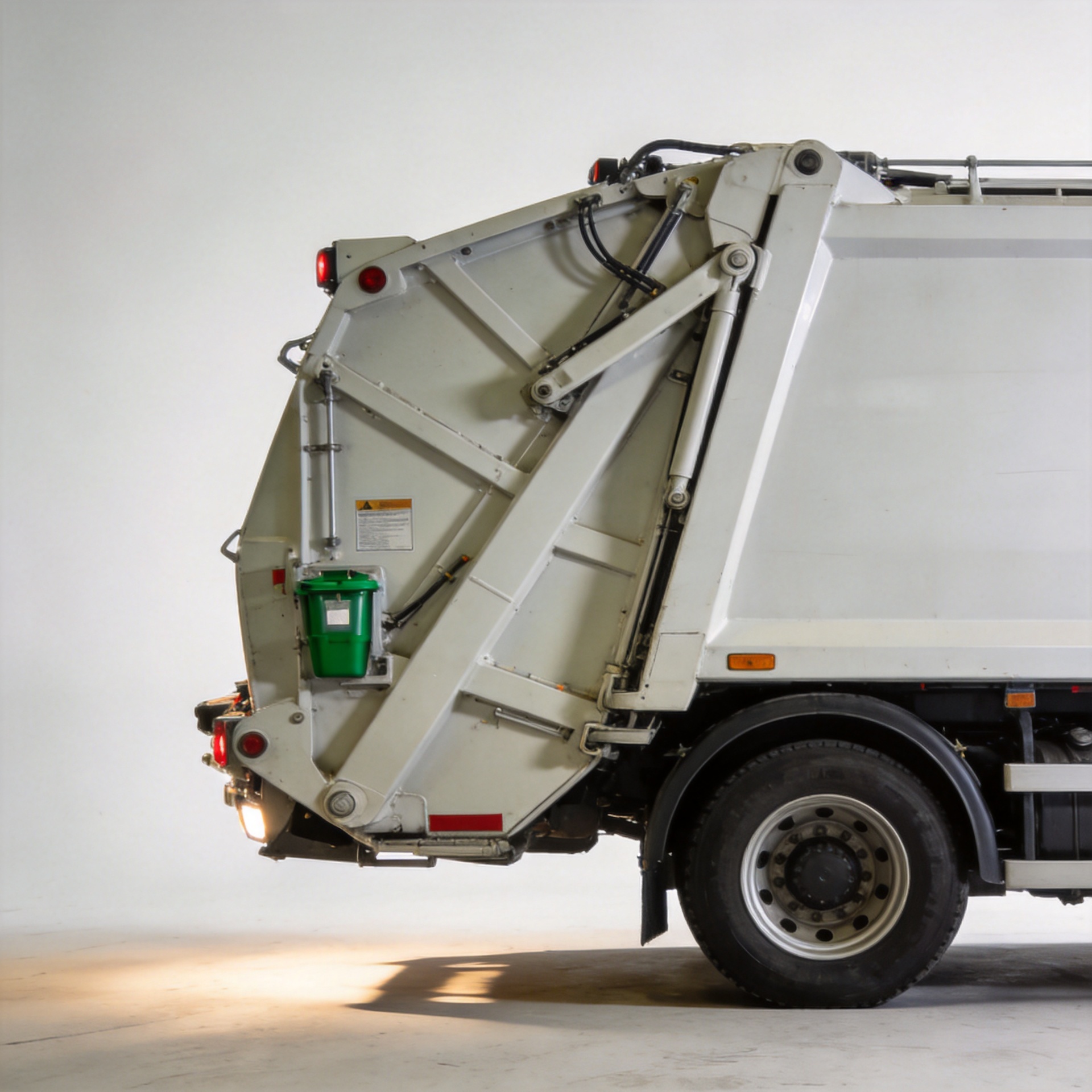
A garbage collection truck is a vehicle designed to collect solid waste and move it to a transfer station, treatment facility, or disposal site. That broad definition covers very different working methods. Rear loaders are commonly used where crews collect bins or bags at the back of the vehicle. Side loaders can suit routes with compatible containers and a repeatable loading pattern. Front loaders are often associated with larger commercial containers. Hook-lift, skip-loader, roll-off, and tipping-body configurations answer other waste-handling needs.
Before comparing vehicles, write a route profile. Include the waste stream, container sizes, number of stops, collection frequency, road width, grades, turning constraints, transfer-station access, and expected working shift. Ask whether the truck will collect household waste, commercial waste, recyclables, bulky waste, or mixed material. The answer affects the body style, lifting equipment, compaction approach, and crew workflow.
Many buyers initially focus on body volume. That is understandable, but it is only one part of the operating picture. A useful procurement question is: How much material can this vehicle legally and safely carry on our actual route before it must unload? The answer depends on waste density, body volume, tare weight, gross vehicle weight limits, axle distribution, and local regulations.
Match capacity to payload, route, and unloading access
Capacity should be checked in two ways: volumetric capacity and legal payload. A large body may fill with light, bulky waste before reaching the legal weight limit. Dense or wet waste can reach the payload limit while there is still empty volume. Neither outcome is automatically wrong; the important point is to select for the expected waste stream and route economics.
Use the basic calculation as a verification tool:
Available payload = permitted gross vehicle weight − completed vehicle curb weight.
The completed curb weight must include the chassis, body, lifter, hydraulic equipment, safety devices, and any route-specific options. Then verify axle loads rather than relying on the total alone. A buyer-guide example in current search results describes an 18,000 kg gross vehicle weight truck with a 10,100 kg curb weight and a 7,900 kg rated payload. Treat that only as an illustration of the calculation, not as a specification for every garbage collection truck.
For each shortlisted configuration, ask the supplier to show the estimated curb weight, gross vehicle weight rating, axle ratings, body volume, and the assumptions behind the payload figure. Compare those figures with local bridge limits, access roads, and disposal-site rules. If a route has tight streets or frequent reversing, maneuverability and visibility can be more valuable than a marginal increase in body volume.
Choose the loading system around containers and crew workflow
The loading system determines how the truck interfaces with waste containers and people. It also shapes cycle time, maintenance requirements, and safety procedures. The right choice begins with the containers already in use—or the containers the operator plans to standardize.
- Rear-loading configurations: consider them where manual or semi-automated collection at the rear fits the route and local operating practice.
- Side-loading configurations: assess bin compatibility, side clearance, stop spacing, and the operator’s visibility of the loading zone.
- Front-loading configurations: assess commercial-container compatibility, overhead clearance, and site access.
- Non-compactor bodies and lift systems: evaluate them separately for skips, roll-off containers, bulky waste, or other specialized handling tasks.
Do not accept the phrase “compatible with standard bins” without a drawing or documented interface. Confirm bin dimensions, lifting geometry, rated lifting capacity, locking arrangement, controls, emergency stops, and the intended operating sequence. If collection practice varies by district, specify the variance rather than assuming one lifter will cover every container.
Turn safety and compliance into testable requirements
Safety is a procurement requirement, not a brochure feature. Buyers should identify the rules that apply in the destination market and translate them into acceptance criteria. In markets where it applies, the EN 1501 series addresses general and safety requirements for refuse collection vehicles and associated lifting devices; it should be verified against the current local adoption, contract requirements, and vehicle category. Other regions may require different rules for reversing alarms, lighting, guards, access steps, braking, emissions, or road registration.
Build a compliance matrix before requesting final quotations. It should state what document, test, drawing, or inspection will prove each requirement. Pay particular attention to:
- rear and side work-zone visibility, cameras, mirrors, and warning systems;
- interlocks, emergency stops, and safe controls for packing and lifting operations;
- safe access, anti-slip steps, handholds, guards, and operator instructions;
- chassis, axle, tire, and braking suitability for the destination road conditions;
- required type approval, registration, emissions, and import documentation.
A familiar brand can reduce some perceived risk, but it does not replace route-specific verification. Conversely, a lower initial price can become expensive if the safety system, documentation, or local parts plan is incomplete.
Evaluate reliability as a system, not a single component
A garbage collection truck combines a chassis, body structure, hydraulic circuit, compaction mechanism, controls, lifter, electrical system, and frequently used wear components. Reliability depends on how those elements work together under repeated loading cycles. Ask suppliers to explain the maintenance points, daily inspections, lubrication needs, hydraulic hose routing, control diagnostics, and access to replaceable parts.
This is where procurement thinking needs to move from purchase price to operating continuity. A lower price is meaningful only if the vehicle can be kept in service. Request a recommended spare-parts list for the first operating period, identify the critical components with the longest lead times, and agree on technical-support channels. For export projects, clarify which manuals, wiring diagrams, parts lists, training materials, and remote-support methods are included.
Use supplier verification before committing to a configuration
Commercial buyers should verify the supplier as carefully as the truck. Review the proposed specification line by line and make sure it distinguishes standard equipment from optional equipment. Ask for build photos, inspection records, a pre-delivery checklist, and clear terms for changes after order confirmation. Where practical, conduct or appoint a pre-shipment inspection based on an agreed acceptance checklist.
One available product reference is the HOWO 6×4 20cbm Compactor Garbage Truck with PLC Hydraulic System Rear Loading Rubbish Waste Management Vehicle. Use a listed product page as a starting point for discussion, then request the exact configuration, dimensions, weights, applicable documents, and delivery scope for your market. A product title alone is not a substitute for a signed technical schedule.
A practical garbage collection truck procurement checklist
- Define waste type, daily route, container system, crew model, and unloading destination.
- Set minimum requirements for body type, loading method, volume, legal payload, axle loads, and maneuverability.
- List destination-market safety, registration, emissions, and import-document requirements.
- Ask every bidder for an itemized technical schedule, including standard and optional equipment.
- Compare quotations on delivered configuration, not only on headline price.
- Verify maintenance access, recommended spares, training, manuals, warranty scope, and response process.
- Agree on inspection, test, documentation, and acceptance criteria before production begins.
Compare quotations on the completed configuration
Use one technical schedule for every bidder. It should identify the chassis, body volume, completed curb weight, gross vehicle weight rating, axle ratings, lifting interface, controls, safety equipment, documents, training, warranty, and spares. For export, also confirm shipping dimensions, delivery terms, and destination-market documents. This prevents a low headline price from hiding excluded equipment or support.
Make factory acceptance inspection specific to the agreed configuration. Verify operating functions, safety interlocks, labels, weight-related documentation, manuals, photo records, and the spare-parts package before shipment.
Conclusion: make the choice defensible
A suitable garbage collection truck is one that can complete its collection route safely, legally, and consistently while fitting the operator’s containers, disposal process, and support capability. Start with the work to be done, validate payload and axle limits, confirm loading compatibility, and make safety and service requirements measurable. That approach gives commercial buyers a clearer basis for comparing suppliers and reduces the risk of discovering a mismatch after delivery.