EN

Understanding Rubbish Collection Truck: A Guide for Commercial Vehicle Buyers
Buying a rubbish collection truck is not simply a matter of selecting the largest body that fits the budget. Municipal teams, contractors and commercial fleet operators need a vehicle that matches the waste stream, collection method, route conditions and service plan. A truck that looks efficient on paper can become a poor fit when loading frequency, road width, transfer-station distance or local safety requirements are overlooked.
This guide explains the purchasing questions that matter before a tender or supplier comparison. It is written for commercial buyers building an initial understanding of rubbish collection truck types and the evidence they should request before signing a specification. A well-defined rubbish collection truck brief makes later supplier comparisons more meaningful.
Start with the collection job, not the brochure
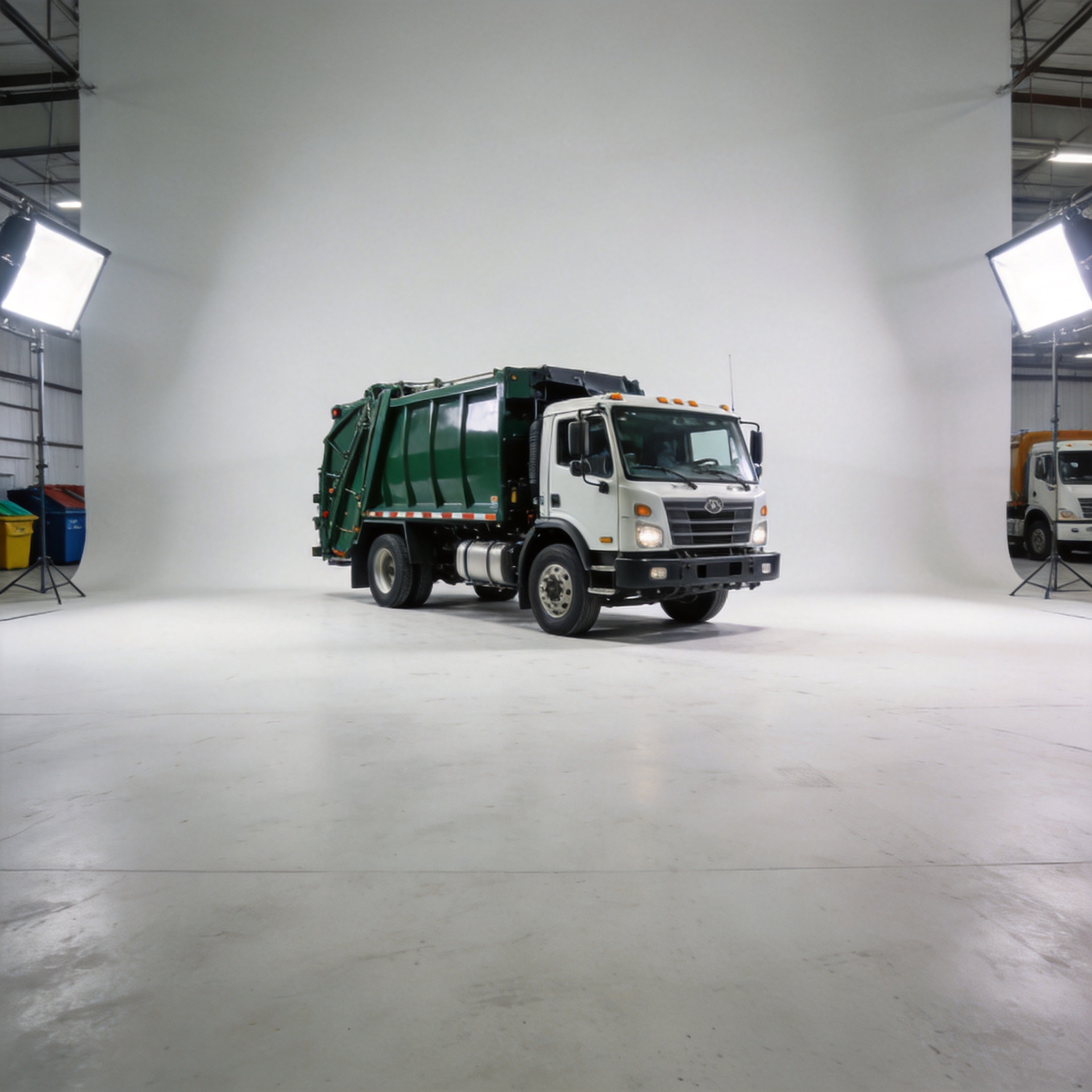
A rubbish collection truck is designed to collect solid waste and move it to a treatment or transfer location. That broad definition covers very different operating patterns. Before comparing brands, write down the route reality: residential or commercial waste, bagged or containerised material, collection points per shift, road restrictions, gradients, climate, crew size and the distance to unloading.
For example, a dense urban route may value manoeuvrability and frequent stops more than maximum body volume. A longer route with compactable municipal waste may give more weight to payload utilisation and unloading-cycle efficiency. The right question is not “Which truck fits the route?” but “Which loading system and chassis/body combination will work reliably on this route?”
Buyers should also identify what is outside the duty cycle. Construction debris, oversized items, hazardous waste and unusually wet material can change the required body design, payload assumptions and cleaning process. Put these limits in the procurement brief rather than relying on informal conversations later.
Understand the main rubbish collection truck configurations
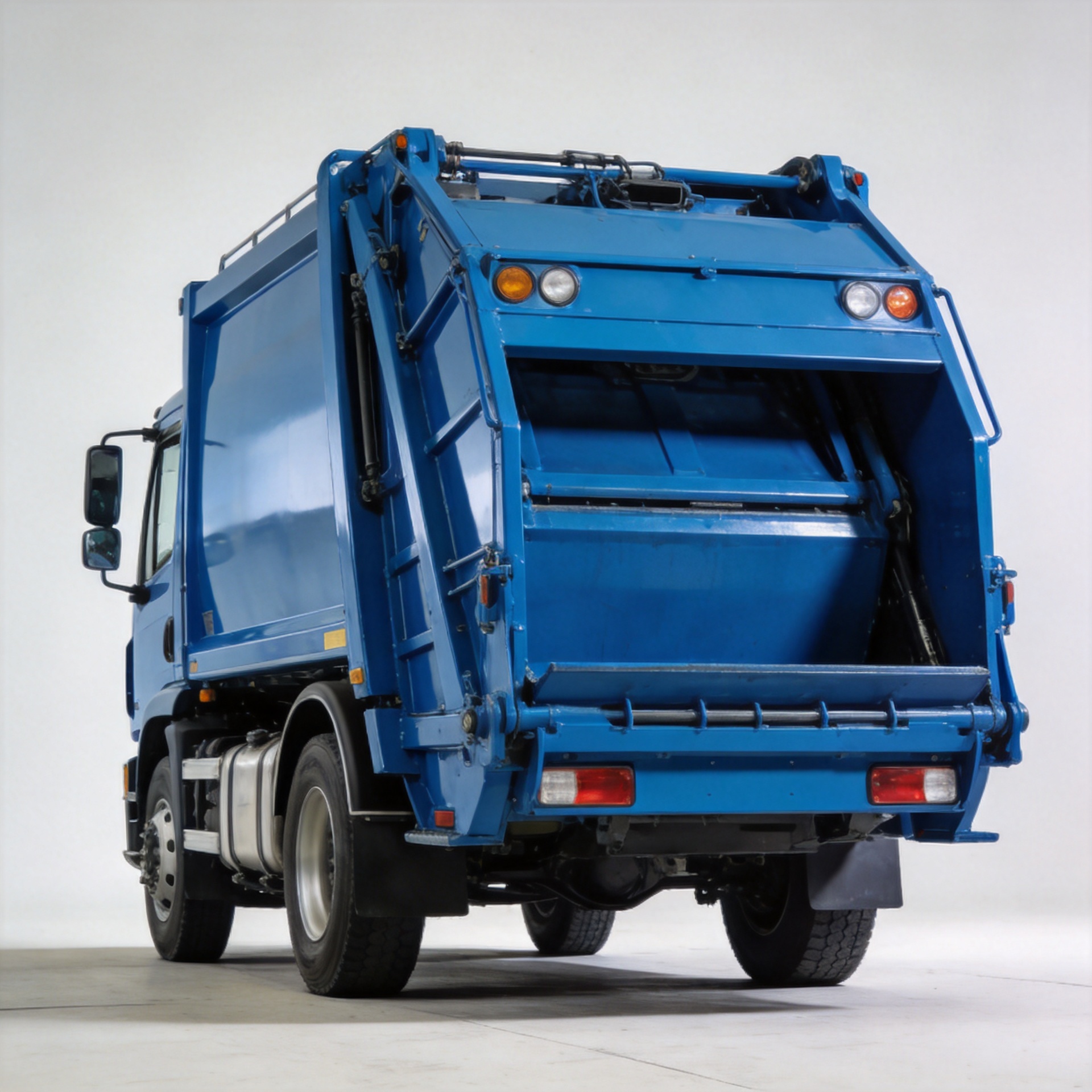
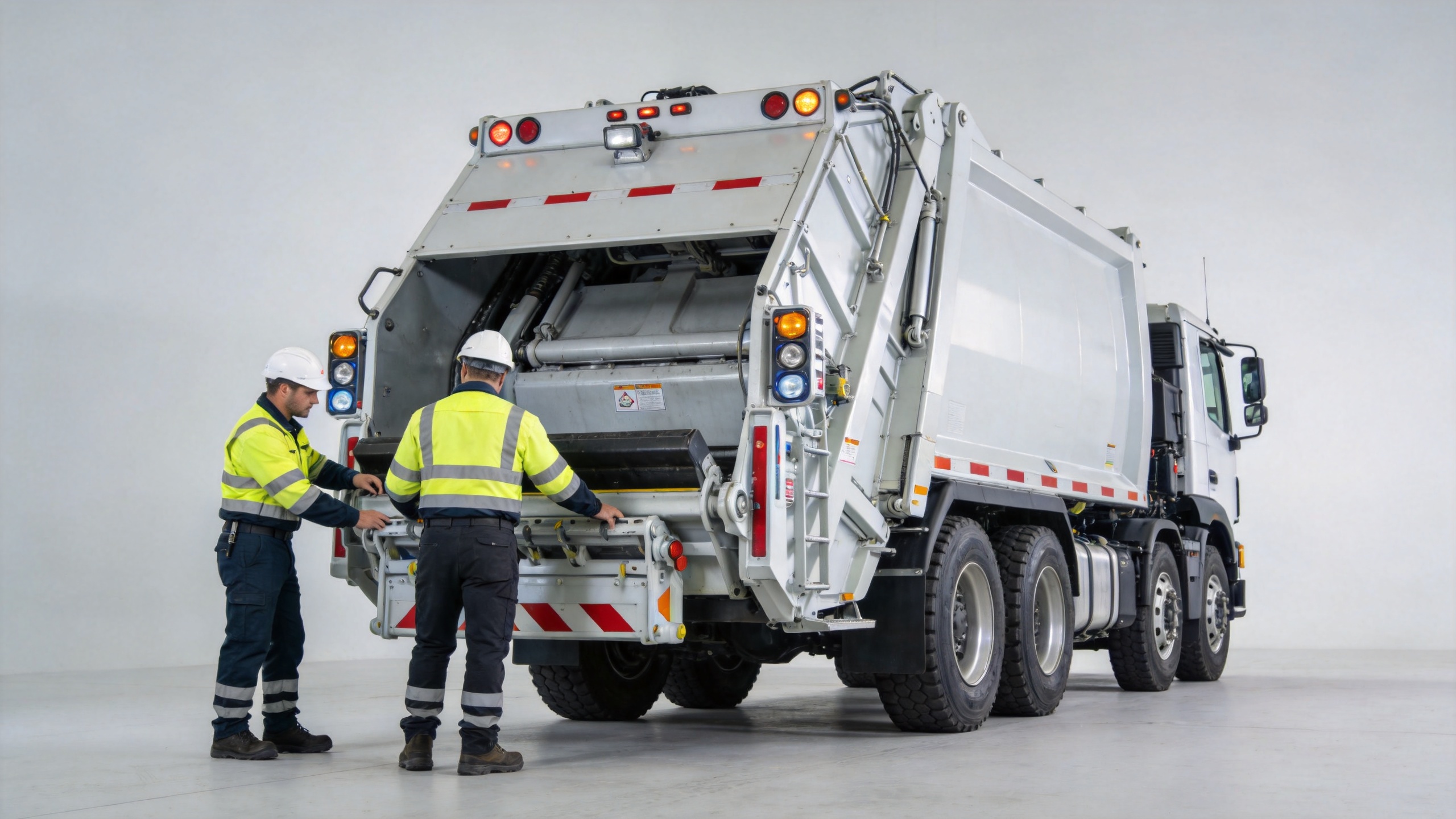
Collection method is the starting point for categorising a rubbish collection truck. Rear-loading compactor vehicles are commonly considered where crews or compatible bin-lifting equipment load waste at the rear and the body compresses the material. Side-loading and front-loading arrangements can suit other container systems and route practices. Open-body or hook-lift solutions may fit bulky or non-compacted waste, but they should not be treated as interchangeable with a sealed compactor body.
The selection should connect the loading arrangement to the containers already in service. Check bin compatibility, lifting interface, loading height, crew working position and the space available at each stop. A nominally similar body can behave very differently if the local bin fleet or collection process does not match its loading equipment.
One confirmed product example is the HOWO 6×4 20 cbm rear-loading compactor garbage truck with PLC hydraulic system. Its listing title is useful for identifying a category to investigate, not for replacing a project-specific specification. Buyers should request the current technical sheet, body drawings and configuration confirmation for their market before treating any listed description as contractual.
Turn capacity claims into a route-fit calculation
Body volume alone does not establish productive capacity for a rubbish collection truck. The amount a rubbish collection truck can carry depends on waste density, compaction behaviour, legal axle limits, loading pattern and the distance to disposal. A larger body may reduce unloading trips, but it can also create access, turning-radius or axle-load problems on constrained routes.
Ask suppliers to show the calculation inputs rather than only a headline capacity. The buyer’s worksheet should include expected waste density, body volume, compression assumptions, chassis gross-vehicle and axle ratings, route distance, loading stops, unloading time and fuel or energy plan. If a supplier cannot explain which values are assumptions and which are tested or certified, treat the productivity claim as provisional.
It is tempting to optimise only for purchase price. In practice, total cost includes operator time, fuel consumption, tyre and brake wear, hydraulic maintenance, downtime, spare-parts access and the cost of missed collection. The lowest initial quotation can still be the more expensive option if it causes frequent transfer trips or long repair delays.
Review safety, hydraulics and controls as procurement items
Compaction and lifting equipment on a rubbish collection truck add moving parts and operator exposure. Your evaluation should cover emergency stops, interlocks, guarding, warning devices, rear-workstation visibility, reverse-operation safeguards and safe maintenance access. EN 1501 is a recognised series covering general and safety requirements for refuse collection vehicles and associated lifting devices; however, buyers should verify the applicable edition, local legal requirements and the precise scope with the responsible authority or compliance adviser.
For hydraulic and control systems, request a clear description of the operating sequence, control location, manual recovery procedure, fault indication and scheduled maintenance points. A PLC-controlled system may support consistent control logic, but the buyer still needs evidence of commissioning, operator training and practical troubleshooting support. Do not assume that a feature named in a listing is present in every export configuration.
Create a specification that suppliers can quote consistently
A strong rubbish collection truck tender gives suppliers the same decision framework. Separate mandatory requirements from preferred options, and require each bidder to identify deviations. This makes quotations easier to compare and reduces ambiguity after award.
| Specification area | What to define or request | Why it matters |
|---|---|---|
| Route and waste | Collection territory, waste type, daily stops, disposal distance and restrictions | Sets the operating duty cycle |
| Chassis and body | Wheelbase, axle ratings, body volume, loading type and legal dimensions | Checks access and payload fit |
| Loading interface | Bin sizes, lifting compatibility, crew workflow and loading height | Prevents field incompatibility |
| Safety and compliance | Required standards, market approvals, warnings, guarding and documentation | Supports safer operation and acceptance |
| Support | Parts list, recommended spares, service response, training and warranty terms | Protects availability after delivery |
Verify the supplier before placing the order
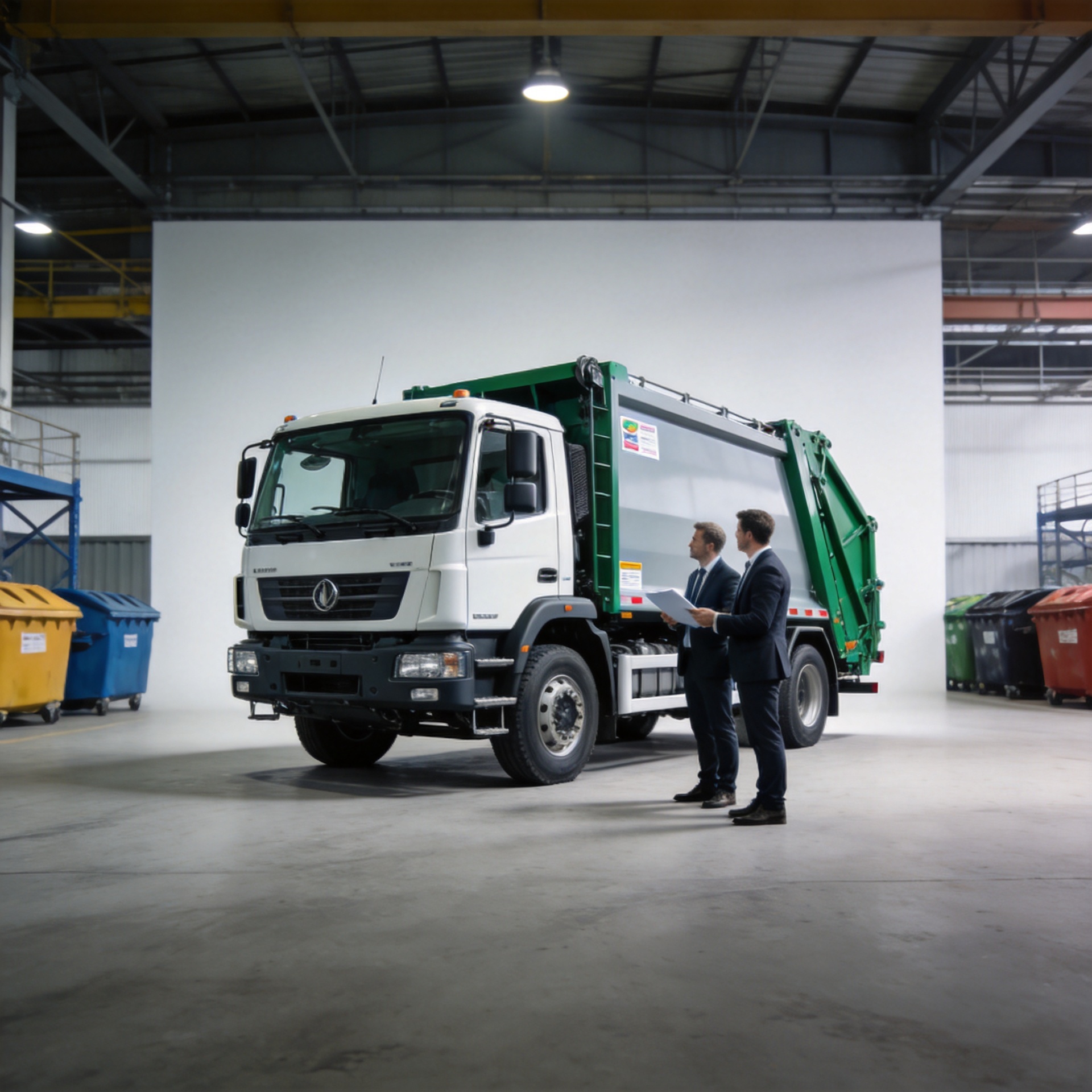
For an overseas rubbish collection truck procurement, evaluate more than the vehicle drawing. Ask who designs the body, who is responsible for chassis integration, how changes are controlled and which documents will be supplied before shipment. A capable supplier should be able to discuss configuration choices, support pre-delivery inspection and explain its export documentation process without making unverified compliance promises.
CLW’s merchant profile states that it works in special-purpose vehicles and serves international markets, with body-design capability and flexible chassis-resource coordination described as company advantages. Those statements should be treated as starting points for buyer due diligence. Confirm the exact scope of supply, approved chassis, delivery terms, inspection criteria, spare-parts package and service contact for the actual order.
A practical buying sequence for commercial fleets
- Map the collection route and waste stream with operations staff.
- Choose the loading concept and container interface before comparing body volumes.
- Set mandatory chassis, axle, safety and documentation requirements.
- Request comparable technical schedules and identify every supplier deviation.
- Review lifecycle costs, critical spares, maintenance intervals and training needs.
- Confirm the final configuration through drawings, specifications and inspection criteria before production.
The most useful rubbish collection truck procurement decision is therefore a documented fit between collection work and verified vehicle configuration. Start with the route, challenge unconfirmed capacity claims and make safety, maintainability and support part of the award decision—not afterthoughts once the truck arrives.