EN
EN


How to Buy a Refrigerator Truck: Specs, Budget, Brands and Supplier Checklist
If you're sourcing a fridge truck from China for the first time, the range of options can feel genuinely overwhelming. Different chassis brands, temperature specs, trade terms, and inspection requirements all compete for attention simultaneously. In my experience reviewing cold-chain procurement decisions for buyers across Southeast Asia, Africa, and Latin America, most first-time fridge truck purchasing mistakes trace back to a single misstep: evaluating models before defining requirements.
This guide walks through the full fridge truck procurement process in the order that actually matters: specs first, brands second, pricing third, and verification last. Whether you're buying one reefer truck for a food distribution route or planning a larger cold-chain fleet, the framework stays the same.
Step 1: Define Your Requirements Before Comparing Models
Two numbers drive every downstream decision in fridge truck procurement: target temperature and payload capacity. Get these wrong and no amount of brand reputation or attractive pricing will save the operation.
Temperature determines which refrigeration unit the reefer truck needs. There are two practical categories:
- Chilled configuration (0°C to +5°C): For fresh produce, dairy, beverages, and pharmaceutical products. A standard insulated body with a medium-duty refrigeration unit handles this range. This is the most common fridge truck specification for urban food distribution.
- Frozen configuration (−15°C to −25°C): For frozen meat, seafood, ice cream, and long-haul cold storage. This type of reefer truck requires a higher-capacity refrigeration unit and thicker polyurethane insulation panels — typically 100mm or more on all six sides.
A fridge truck rated at −15°C costs significantly more than a comparable chilled vehicle on the same chassis, because the refrigeration unit, insulation specification, and door sealing system all step up in complexity. Request separate line items for the insulated body and refrigeration unit brand when comparing suppliers — this prevents quiet substitutions and makes comparisons meaningful.
Payload is your second constraint. A typical 5-ton fridge truck carries roughly 3–4.5 tons of net cargo after accounting for the refrigerated body and refrigeration equipment. Verify the Gross Vehicle Weight against local road regulations in your destination country before placing any order.
Step 2: Comparing Chassis Brands for Your Reefer Truck
The three chassis names you'll encounter most consistently in Chinese fridge truck exports are ISUZU (or ISUZU-licensed variants), FOTON, and JAC. Each serves a different buyer profile.
| Brand | Typical Positioning | Best For |
|---|---|---|
| ISUZU (N-series) | Premium reliability, higher unit price | Markets where after-sales service availability and resale value matter |
| FOTON Aumark | Mid-range with strong export track record | Balanced cost-performance for food distribution fleets |
| JAC | Competitive entry pricing, wide model range | Price-sensitive markets or first fridge truck fleet purchases |
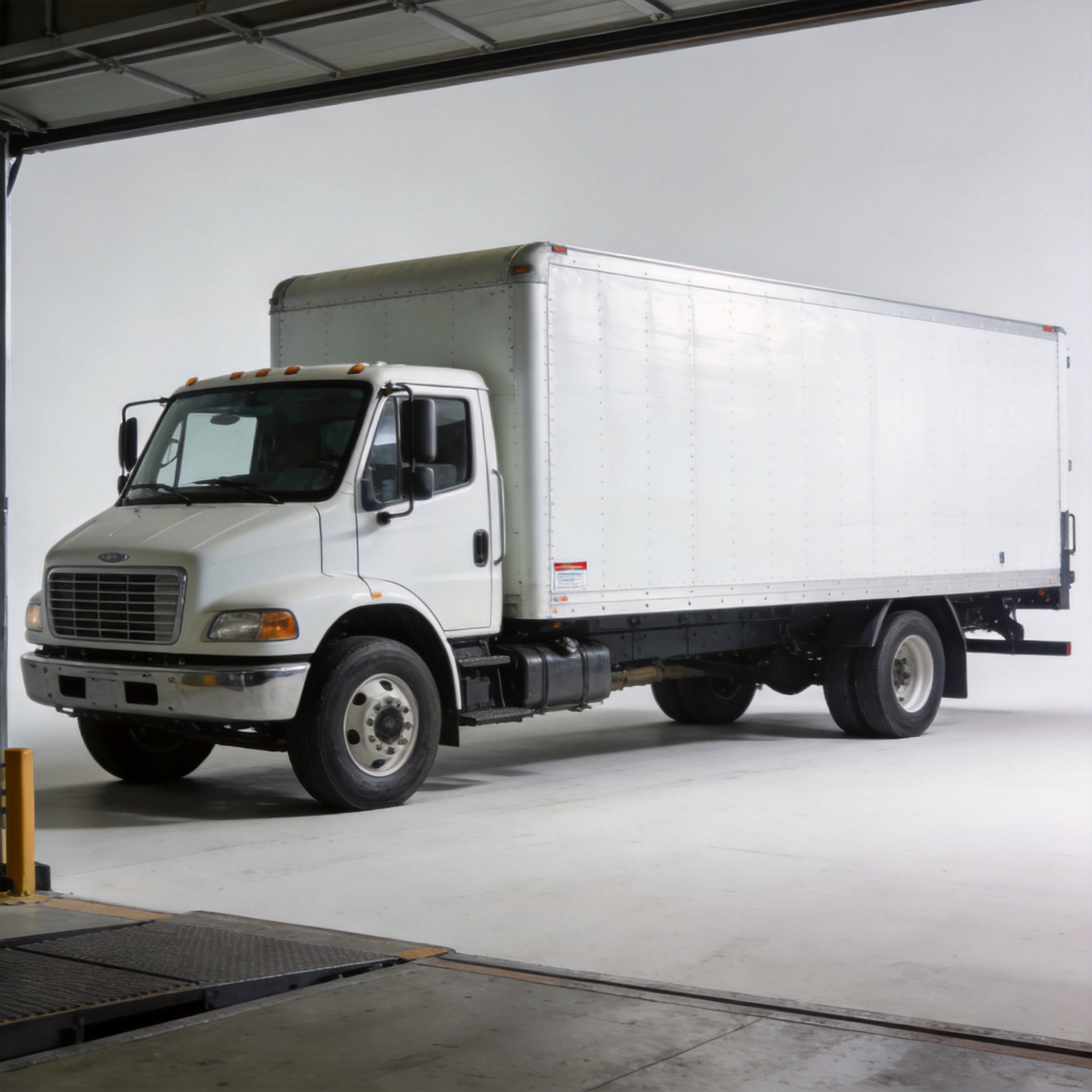
Worth saying upfront: chassis brand alone doesn't determine performance of the reefer truck. Buyers frequently focus on the chassis nameplate while overlooking the refrigeration unit — which is often the actual failure point in the field. For any fridge truck under evaluation, independently verify the refrigeration brand (Carrier, Thermo King, Guchen, or equivalent), insulation material, and panel construction. These are separate procurement decisions even when quoted as a single package.
Step 3: CIF vs FOB Pricing Explained
When you request a fridge truck quote from a Chinese supplier, the price will be given as either FOB or CIF. Understanding the difference prevents budget surprises at the destination port.
- FOB pricing: Covers manufacturing and delivery to the Chinese loading port. You arrange international freight, insurance, destination port handling, customs duties, and inland delivery for the refrigerated vehicle.
- CIF pricing: Adds ocean freight and basic cargo insurance on top of the FOB figure. You still handle destination customs clearance, port fees, and final delivery of your reefer truck.
For first-time importers, CIF is typically simpler — the supplier handles freight booking and you budget against a single total. Buyers with established freight relationships often prefer FOB because it offers more control over carrier selection and can reduce landed cost at scale.
As a rough reference: a 5-ton diesel fridge truck with standard chilled capability typically starts in the low-to-mid five figures USD on an FOB basis. Frozen-grade configurations with premium refrigeration push the figure higher. Request itemized quotes that separate chassis, refrigerated body, refrigeration unit, and accessories — this makes comparing reefer truck offers from different suppliers reliable rather than superficial.
CLW produces both configurations — the 4x2 LHD 5 Tons Diesel Refrigerator Truck (Euro 6, −15°C) covers frozen meat and seafood applications. For large-volume semi-trailer operations, the 3 Axle Refrigerator Semi-trailer with Meat Hook Configuration handles high-capacity frozen logistics routes.
Step 4: Pre-Delivery Inspection (PDI) Checklist
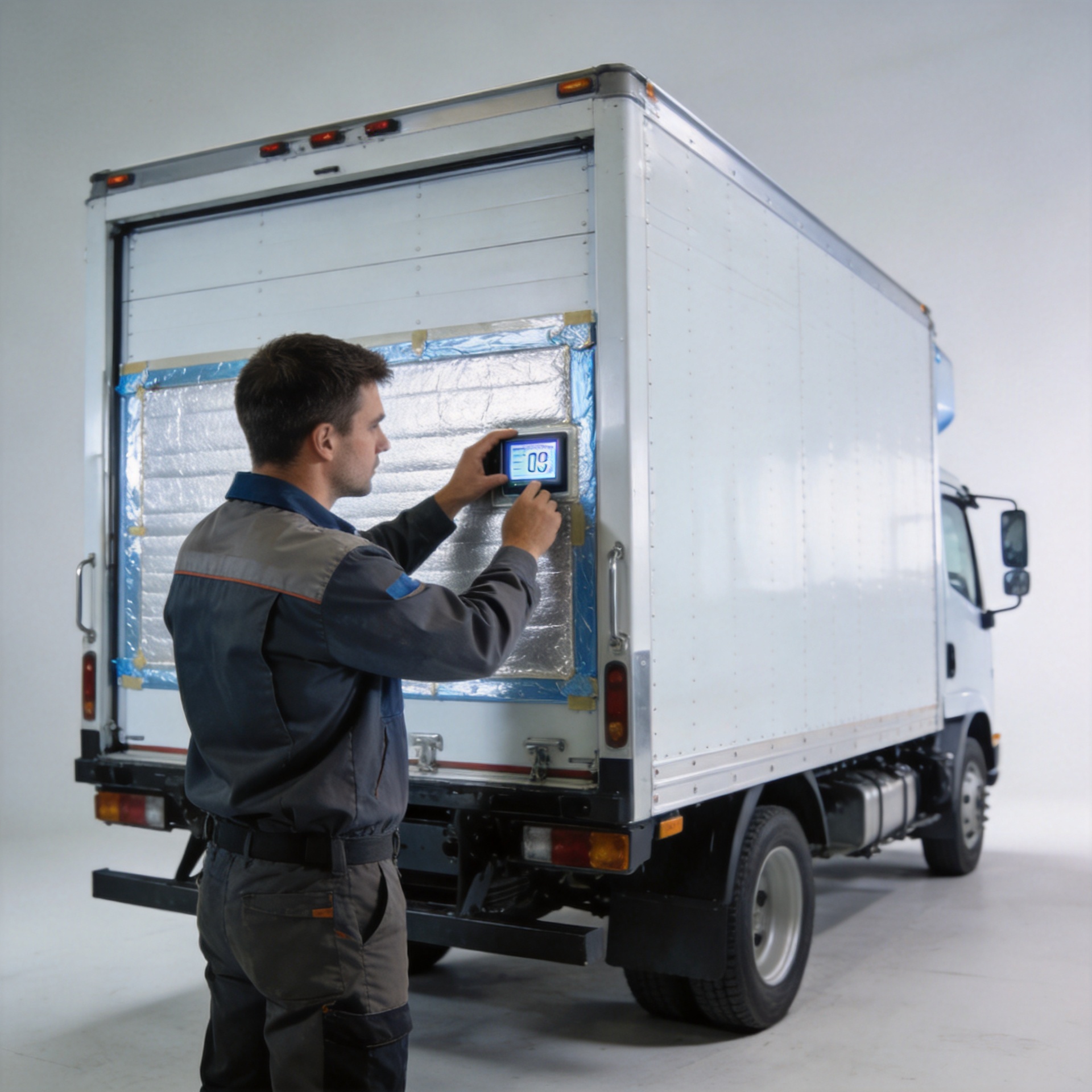
Commission a pre-delivery inspection before accepting any fridge truck shipment. A standard PDI for refrigerated vehicles covers:
- Refrigeration unit run test: Verify the unit reaches and holds the specified temperature under load conditions — an empty body typically chills faster and gives a misleading result.
- Temperature mapping: Log front, middle, and rear cargo space readings over a 2–4 hour run to confirm uniformity inside the fridge truck body.
- Insulation integrity: Check all panel seams and door seals. Door hinge sealing is the most common weak point in lower-cost refrigerated bodies.
- Electrical and alarm systems: Confirm temperature alarms, defrost cycles, and external displays function correctly on the reefer truck.
- Chassis inspection: Engine, transmission, brakes, and suspension checked to manufacturer specifications.
- Document cross-check: Match chassis VIN, engine serial number, and body serial against the commercial invoice and certificate of origin.
Step 5: Import Documentation Requirements
Cold-chain vehicle imports carry documentation requirements that vary by destination market. For most reefer truck shipments, you'll need:
- Commercial Invoice and Packing List
- Bill of Lading (B/L)
- Certificate of Origin — typically from CCPIT (China Council for the Promotion of International Trade)
- China Compulsory Certification (CCC) where applicable for the specific fridge truck model
- Refrigeration unit compliance certificate (for markets requiring ATP certification or local equivalents)
- Fumigation certificate if required by the destination port authority
Confirm import requirements with your customs agent before placing any fridge truck purchase order. Missing or incorrectly issued documents are the leading cause of clearance delays, and rework at the destination port erodes any price advantage from the original purchase.
Final Supplier Selection Checklist
Use this as a final screening checklist when evaluating any fridge truck or reefer truck supplier:
- ☐ Does the supplier hold a Chinese special vehicle manufacturing license?
- ☐ Are their fridge truck models listed in China's MIIT vehicle catalog?
- ☐ Can they provide export references in your target region?
- ☐ Do they support factory inspection and third-party PDI access for the reefer truck?
- ☐ Is the refrigeration unit brand disclosed upfront in writing?
- ☐ Do they have a structured process for aftersales support and spare parts?
- ☐ Can they produce itemized FOB or CIF pricing for the fridge truck on request?
CLW Special Trucks manufactures and exports commercial cold-chain vehicles — including insulated fridge trucks, frozen reefer trucks, and refrigerated semi-trailers — with export experience across Asia, Africa, and Latin America. Contact the export team to request a full specification sheet and current FOB pricing for your required fridge truck configuration.