EN

Buying Green Trash Truck: A Guide for Commercial Vehicle Buyers
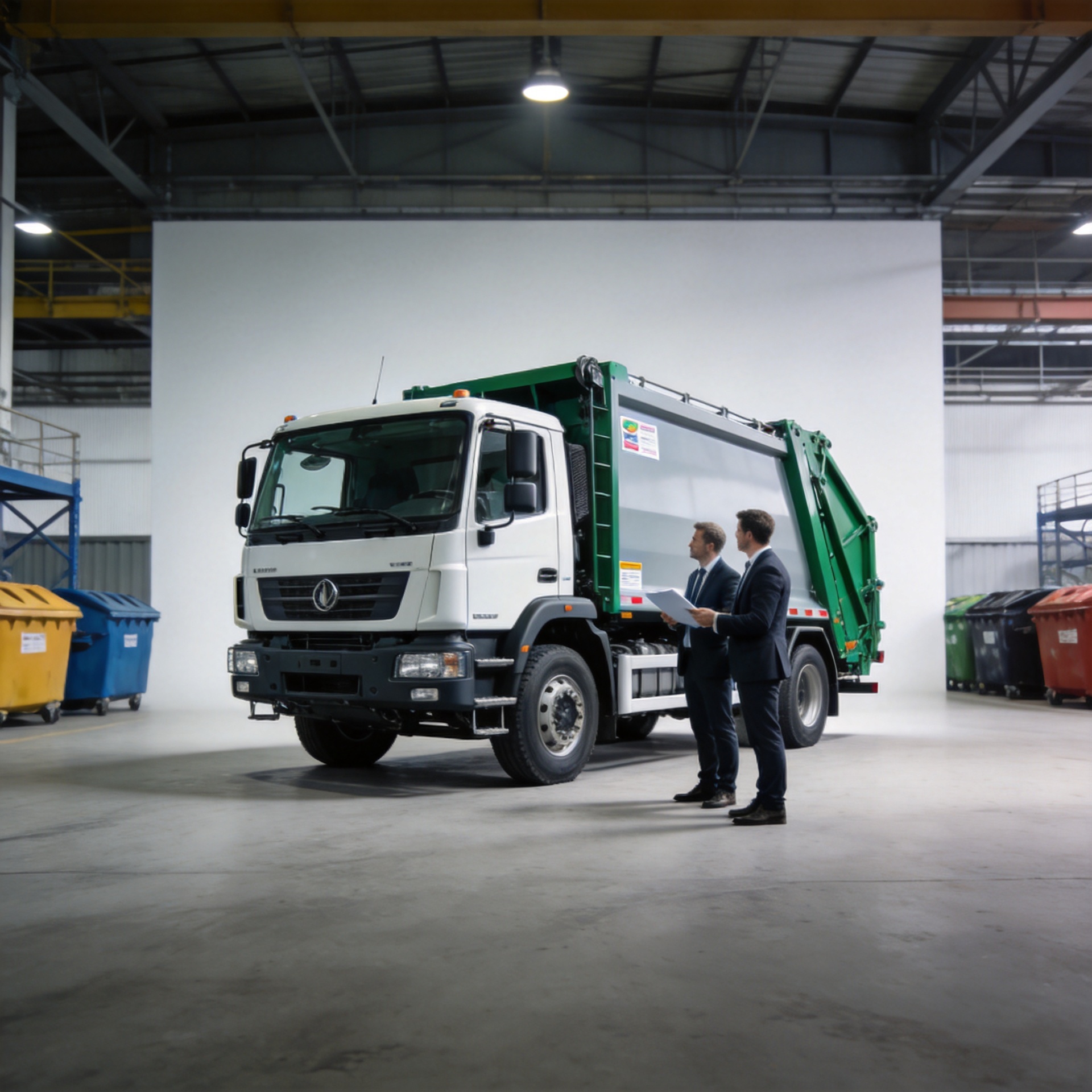
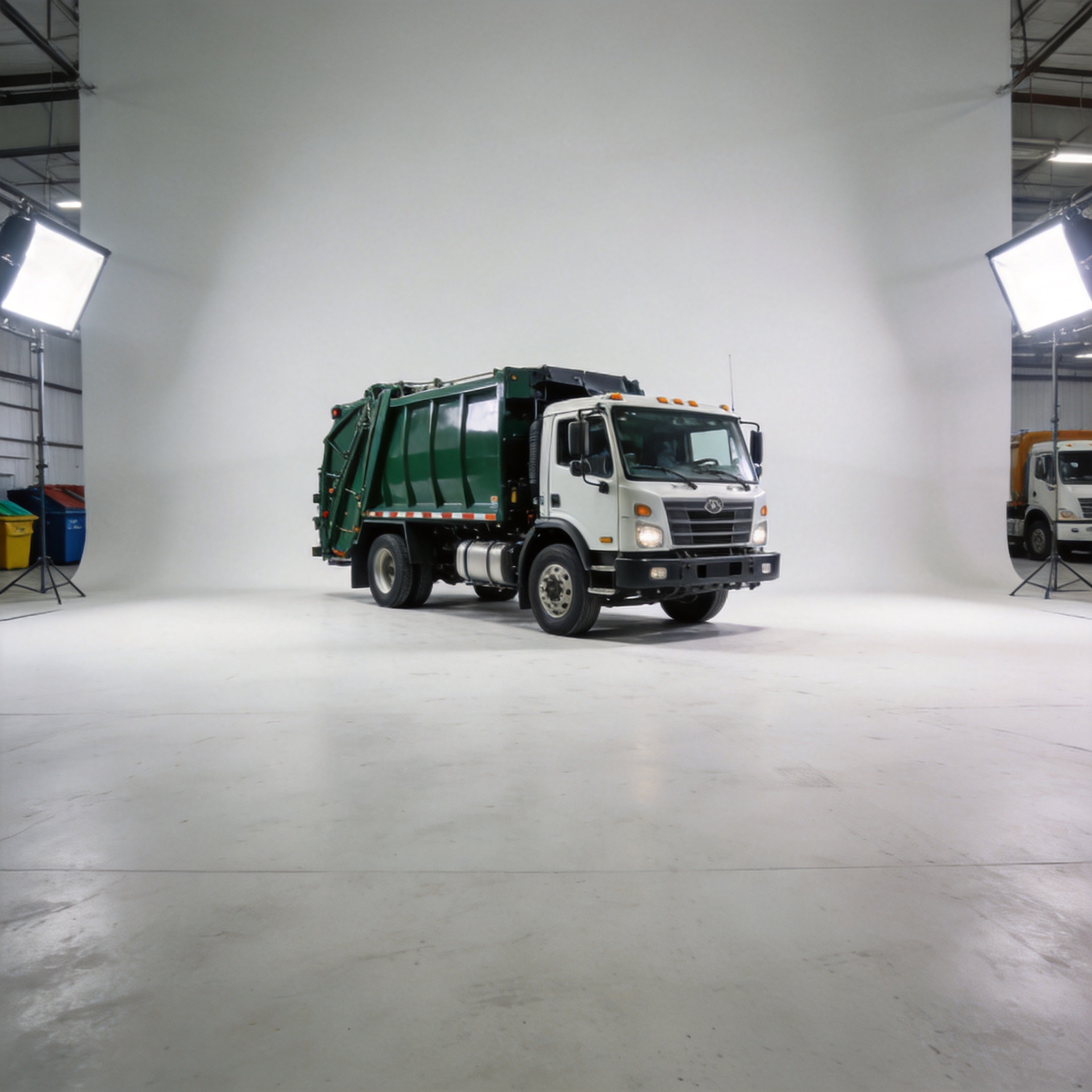
If you are searching for a green trash truck for a municipal fleet, contractor, industrial park, or private waste operator, clarify the term before comparing quotations. Search results for this phrase often point to toys or images. In a commercial procurement context, it should mean a waste-collection vehicle whose body color, low-emission plan, or environmental role fits a green procurement program—not a child’s product.
A fleet manager or purchasing team should ask more than which green trash truck looks right. It is whether the body, chassis, loader, safety equipment, service plan, and delivery documents will work together on the routes you actually operate. This guide turns that question into a purchasing process.
1. Start with the collection job, not the paint color
A green livery can support municipal identification or an environmental-services brand, but it does not define vehicle suitability. First map the collection work: household routes, commercial containers, transfer-station shuttles, market waste, or industrial sites. Record the daily waste volume, material mix, road width, route gradients, loading crew size, and shift length.
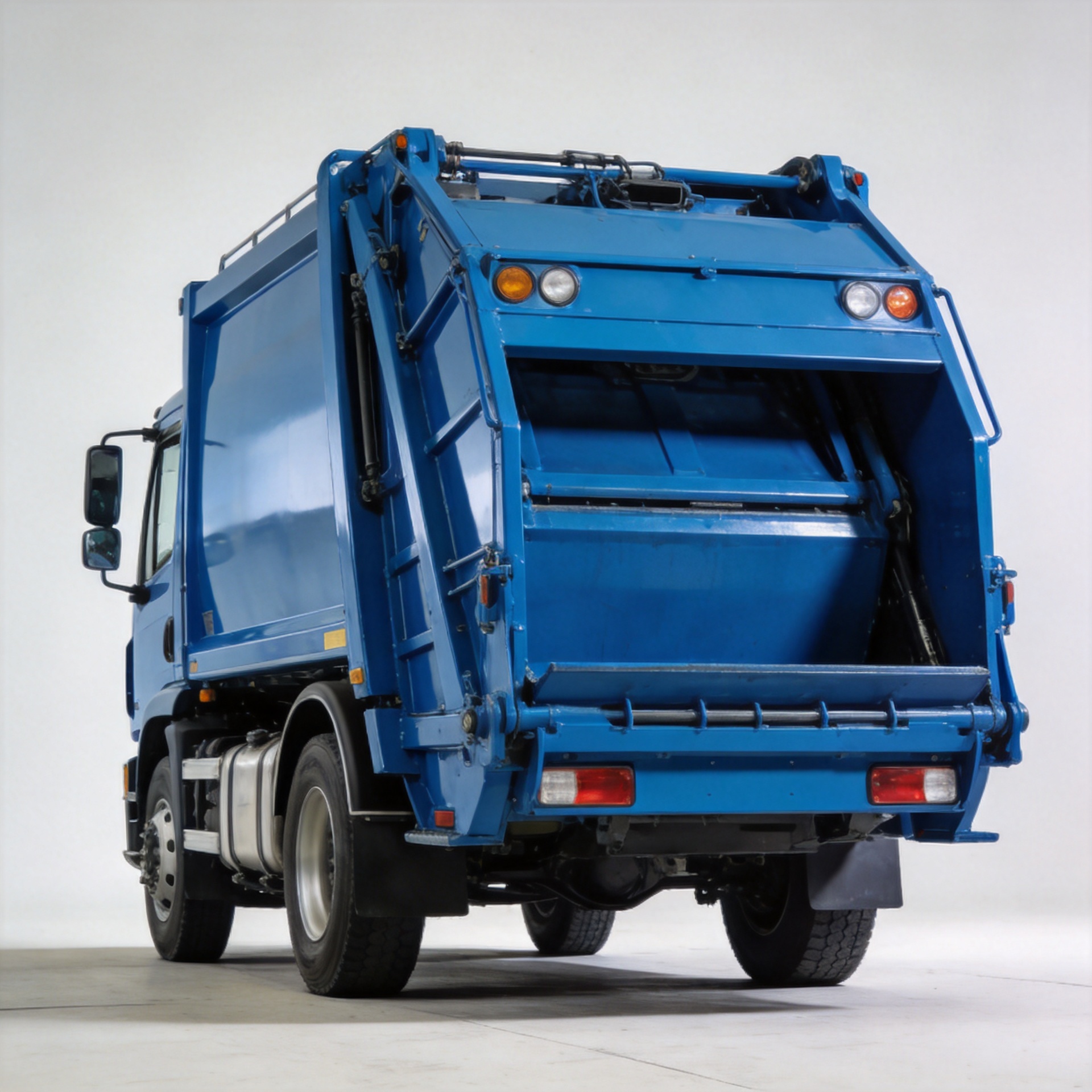
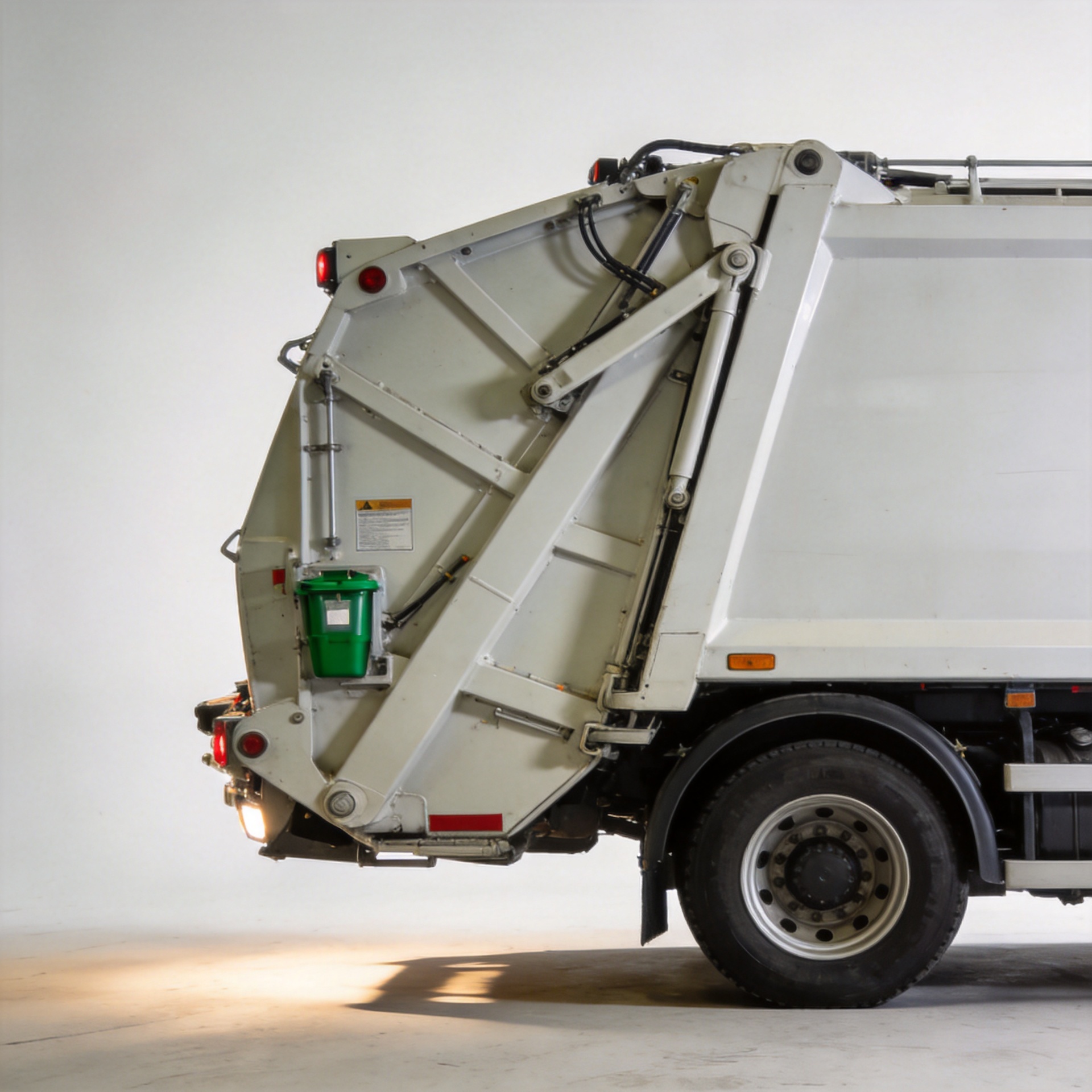
Next, define the loading method. Rear-loading compactors suit many manual or bin-based collection patterns; front, side, hook-lift, or roll-off arrangements solve different jobs. The bin sizes and lifting interface must be checked against local containers before purchase. A body that is productive on paper can become a poor fit if it cannot safely handle the bins, access roads, or unloading conditions in your operating area.
2. Turn the route profile into a clear green trash truck specification
Issue a written specification rather than asking suppliers for a “standard” green trash truck. A written green trash truck specification keeps every bidder focused on the same route, capacity, safety, and acceptance requirements. Separate mandatory requirements from preferences so bids can be compared fairly. At a minimum, the specification should cover:
- Collection body: nominal volume, loading opening, hopper arrangement, compaction system, discharge method, and leakage-control expectations.
- Chassis and mobility: axle configuration, wheelbase, engine or alternative-power requirement, transmission, suspension, turning needs, and local road limits.
- Interface compatibility: bin sizes, lifting or loading method, transfer-station compatibility, and any fleet telematics integration required.
- Safety: emergency stops, safety locks, rear controls, warning devices, reversing visibility aids, lighting, access steps, and operator instructions.
- Operating evidence: stated payload, compaction approach, cycle-time information, noise expectations, fuel or energy-consumption data where available, and maintenance intervals.
Headline capacity is not the same as usable payload. Payload depends on the chassis rating, body tare weight, waste density, axle limits, and local regulations. Ask each supplier to show how the proposed vehicle stays within permitted gross and axle weights under representative loading conditions.
3. Evaluate compaction and productivity with comparable evidence
Compaction performance affects trips, fuel use, and crew time, yet quoted figures can be hard to compare. For any green trash truck proposal, compare the evidence behind the figure rather than the figure alone. One published rear-loader example cites compaction up to 1,200 lb/yd³ and cycle times as low as 21 seconds. Those figures are manufacturer- and configuration-specific, so use them as a reason to ask better questions—not as a benchmark that every truck must meet.
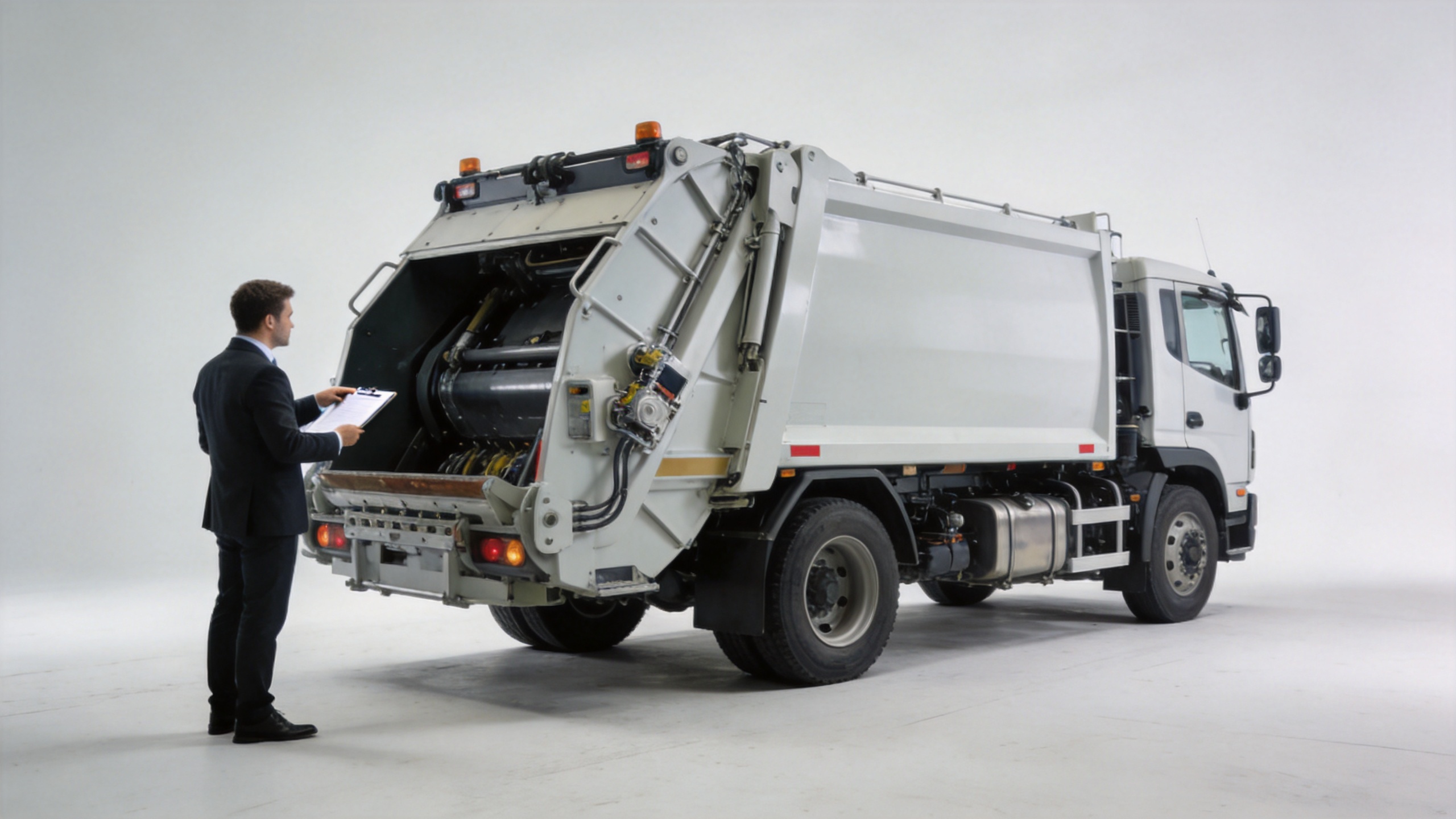
When reviewing each proposed green trash truck, request the test conditions behind claimed capacity and cycle time: waste type, body size, hydraulic setup, chassis power, loading method, and whether the figure is nominal or measured. During factory inspection or acceptance testing, run a short operating sequence with agreed bins or simulated loads. Confirm that compaction, unloading, controls, and safety interlocks work consistently.
4. Assess chassis, body, and hydraulic system as one package
Commercial waste trucks are integrated vehicles. A green trash truck purchase should therefore name the responsible party for body, chassis, hydraulics, electrical controls, and final vehicle acceptance. A capable body on an unsuitable chassis can lead to poor maneuverability, overloaded axles, unstable handling, or difficult service access. Review the chassis brand and configuration, but also ask who is responsible when a body, PTO, hydraulic, electrical, or control-system issue crosses component boundaries.
A relevant option to review is the HOWO 6×4 20cbm Compactor Garbage Truck with PLC Hydraulic System Rear Loading Rubbish Waste Management Vehicle. Its published name identifies a 6×4 chassis arrangement, 20 cbm body category, rear loading, and PLC hydraulic system. Buyers should still request the current build sheet and confirm all final specifications, component brands, and local compliance requirements before placing an order.
5. Put safety and serviceability into the bid evaluation
A lower purchase price does not compensate for unsafe rear operations or long downtime. Your green trash truck evaluation should give safety and service access their own scored sections, not leave them as informal discussion points. Build a safety inspection line into your evaluation matrix. Common buyer checks include reachable emergency-stop buttons, protected moving areas, secure access, effective rear and reversing visibility, warning lights, work lighting, and clear emergency procedures. Verify the exact equipment on the proposed configuration rather than relying on brochure images.
Day-to-day serviceability matters just as much. Ask for preventive-maintenance schedules, hydraulic and electrical schematics, spare-parts lists, recommended wear items, diagnostic support, warranty scope, and response arrangements. For export projects, confirm the language of manuals, parts identification, packing, shipping documents, and the division of responsibilities at handover.
6. Compare suppliers beyond the truck quotation
Use a weighted procurement scorecard. A green trash truck quotation becomes easier to defend internally when the scoring criteria are agreed before suppliers submit their final offers. Price should be one factor alongside technical compliance, build quality, documentation, lead time, inspection access, warranty, spare parts, after-sales support, and supplier communication. Request a line-by-line deviation list so you can see where a quotation differs from the specification.
For a cross-border purchase, validate the supplier’s export process and documentation before issuing a deposit. Agree on the final technical annex, inspection points, payment milestones, shipping terms, and acceptance criteria. If the vehicle will serve a public tender or government contract, make sure the bid documents, vehicle configuration, and acceptance tests are aligned from the start.
7. A practical purchase sequence
- Define route, waste stream, bins, crew, terrain, and local legal limits for the green trash truck.
- Create a measurable specification and bid-comparison sheet.
- Shortlist suitable loader and chassis configurations.
- Request technical drawings, configuration lists, and service documents.
- Score suppliers on compliance, lifecycle support, and commercial terms—not price alone.
- Approve a final green trash truck build specification before production.
- Inspect the completed vehicle and document functional and safety acceptance tests.
- Plan operator training, parts stocking, and maintenance responsibilities before deployment.
Make the green trash truck decision with lifecycle value in mind
A suitable green trash truck is one that matches its collection task, can be serviced in your market, and arrives with verifiable specifications and documents. Before award, ask the supplier to restate every agreed green trash truck requirement in the final technical annex and acceptance checklist. A color choice or environmental label may support your program, but productivity, compliance, safety, and downtime determine long-term value. Use the procurement checklist above to turn supplier discussions into clear, testable commitments before you buy.