EN


Buying Garbage Container Truck: A Guide for Commercial Vehicle Buyers
For fleet managers, municipal contractors, and waste-service distributors, a garbage container truck is not a generic truck purchase. It is a working system that must match the containers already in service, the collection route, local legal requirements, and the team that will operate and maintain it. Search results for this term are often mixed with small cab accessories, so the first procurement task is to define the commercial vehicle and waste-handling job you actually need.
A practical buying decision starts with the waste stream and operating model, then works back to the body type, chassis, hydraulic system, and supplier support. The result is a specification that can be quoted, inspected, and accepted—not just a list of attractive brochure features.
Start with the collection model, not the truck name
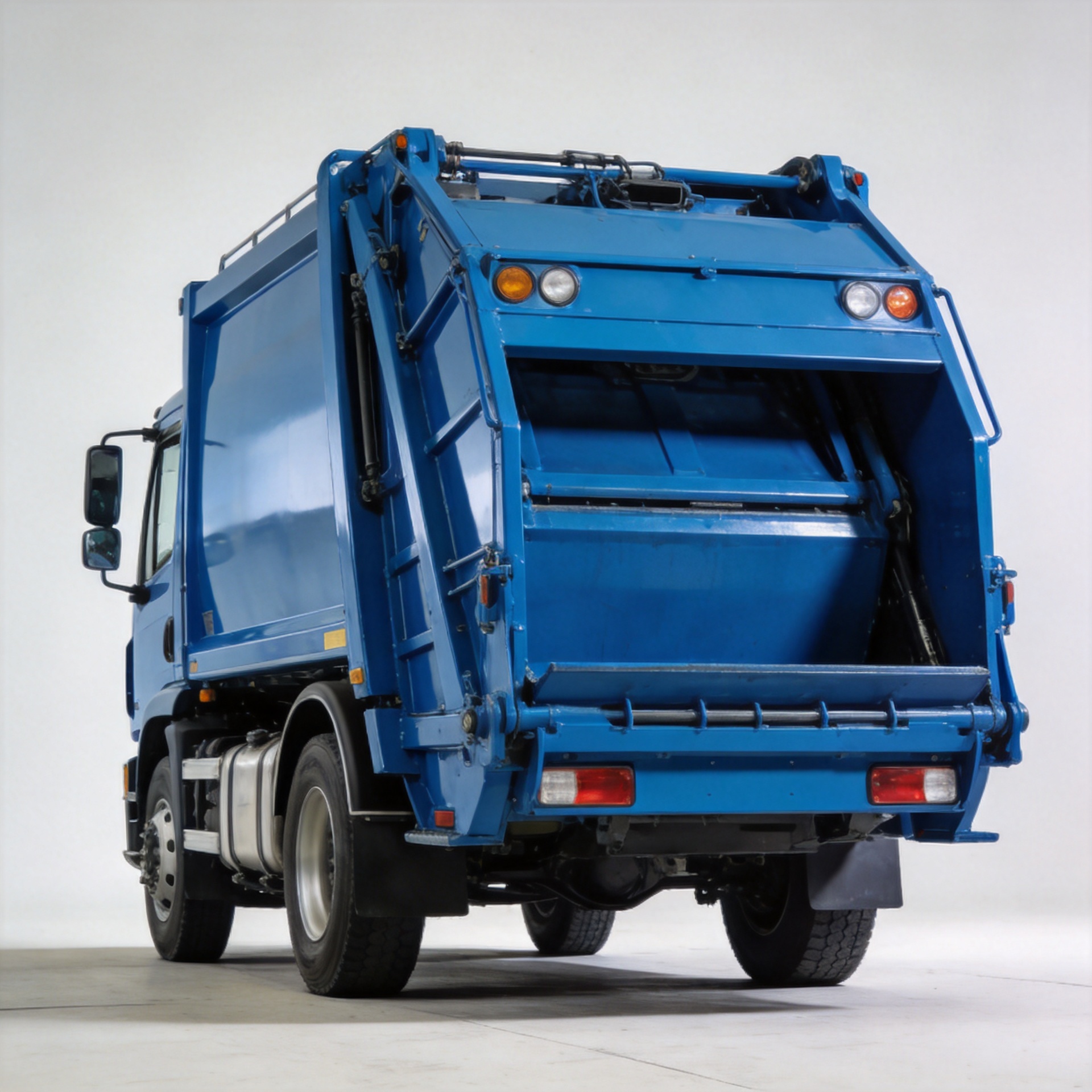
“Garbage container truck” can describe several different vehicles: a rear-loading compactor, a front or side loader, a hooklift, a roll-off truck, or a container carrier. These machines move waste in different ways. A rear-loading compactor is commonly suited to collection routes where waste is loaded into the body and compacted during the shift. A hooklift or roll-off configuration is generally used to pick up, transport, and place detachable containers. A container carrier may be appropriate where repeatable delivery and collection of compatible smaller containers is the main work.
Before sending a request for quotation, create a one-page operating profile:
- What waste will be handled: household, commercial, recyclable, bulky, or construction waste?
- Will the truck collect loose waste, lift standardized bins, or exchange detachable containers?
- What are the typical container dimensions, lifting interfaces, and loaded weights?
- How many stops, kilometres, and unload cycles are expected per shift?
- What route constraints exist: narrow streets, soft ground, low overhead clearance, steep grades, or long transfer runs?
That profile prevents a common mistake: comparing body volume alone while ignoring the handling method that determines daily productivity. In practice, the right garbage container truck is defined by the complete collection system, not by its sales label. This garbage container truck brief should travel with every enquiry so that suppliers quote the same operational requirement.
Choose the garbage container truck configuration by workflow
For mixed municipal collection, a garbage container truck with a compactor body can reduce the number of disposal trips when the waste type and loading process suit compaction. For exchange-container work, the critical issue is not compaction but the relationship between hoist geometry, container length, rail or hook interface, and legal gross vehicle weight. A garbage container truck that accepts the wrong interface can leave useful containers idle even if the rated lifting figure looks adequate.
| Operating need | Questions to verify | Typical procurement focus |
|---|---|---|
| Route-based waste collection | How is waste loaded? Is compaction required? How many crews work at the rear? | Body volume, loading mechanism, compaction cycle, safety controls |
| Detachable large containers | What container lengths, interfaces, and maximum loaded weights are used? | Hoist type, rated lifting capacity, rail geometry, axle loading |
| Container delivery or exchange | Are container sizes standardized? Is placement space limited? | Carrier compatibility, reach, maneuverability, loading/unloading stability |
Here is the point buyers sometimes miss: the heaviest available system is not automatically the right choice. Extra equipment mass can reduce payload, while an oversized or overly complex system can make maintenance and operator training harder. Ask the supplier to show the unladen mass, payload calculation, axle loads, and the limits used in the quotation.
Turn specifications into an acceptance checklist
A commercial buyer should request measurable data rather than relying on product-category labels. For every proposed garbage container truck, confirm the chassis model and drive configuration, gross vehicle weight rating, axle capacities, body capacity, hydraulic circuit details, power-take-off arrangement, tyre specification, and any bin-lifting or container-handling interface. Then compare each item with the actual route and local regulations.
Safety requirements deserve their own review. The EN 1501 series addresses general and safety requirements for refuse collection vehicles, with applicability depending on the vehicle and loader configuration. It is a useful reference point, but it does not replace the buyer’s duty to confirm the standards, registration rules, and safety requirements that apply in the destination market. Ask which standards the proposed body is designed to meet, what documents can be supplied, and which requirements remain the importer’s responsibility. Treat this as a formal garbage container truck compliance review, not a verbal assurance.
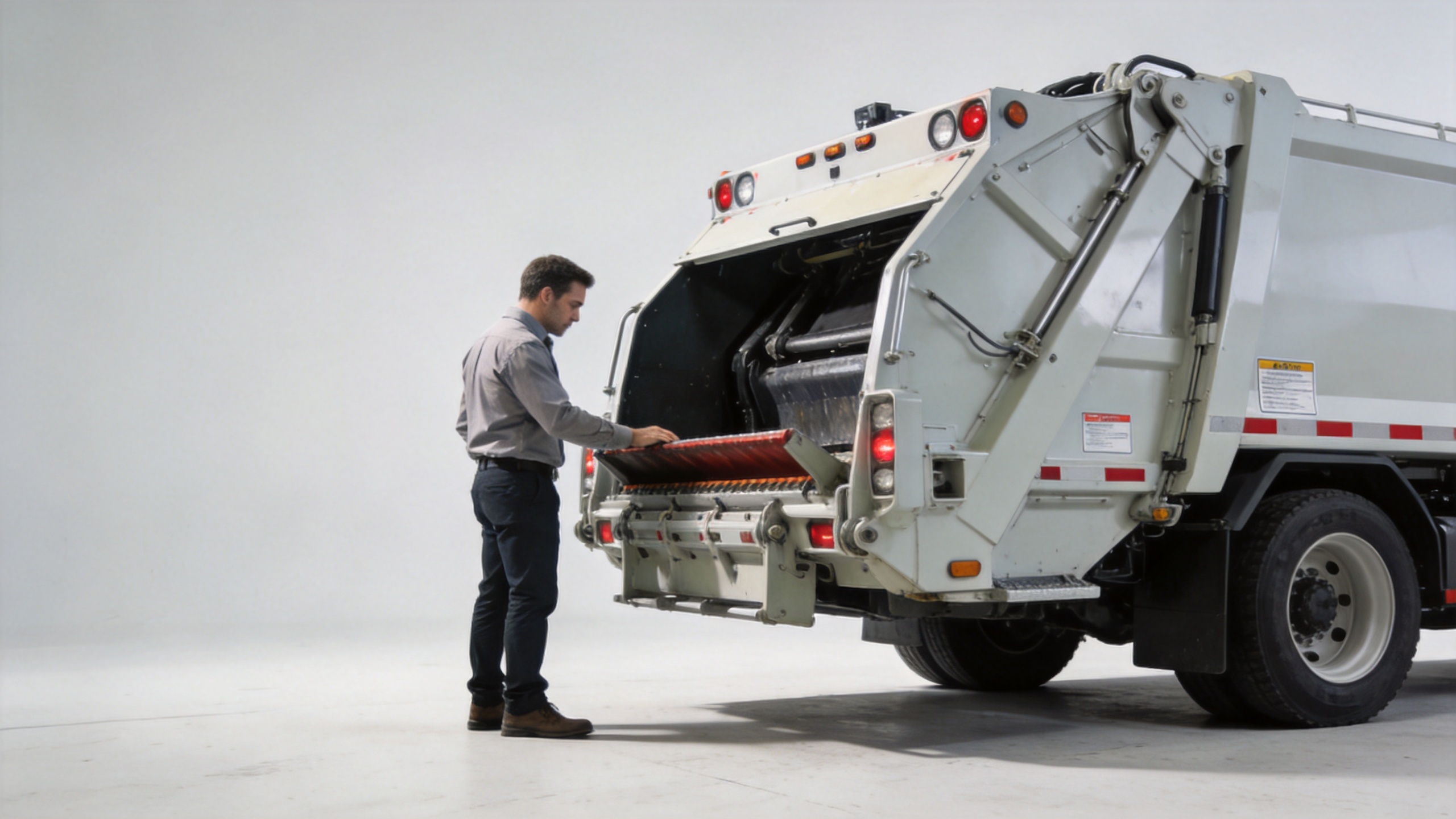
For a rear-loading compactor option, review tailgate and loading-area safeguards, emergency-stop arrangement, hydraulic hose routing, access steps, lighting, reversing provisions, and maintenance lockout procedures. For a container-handling vehicle, also inspect the restraint method, hoist controls, centre-of-gravity limits, and clearance requirements during loading and unloading. A specification sheet shows nominal capability; an acceptance plan shows whether that capability can be used safely every day.
Review a real configuration without treating it as a universal answer
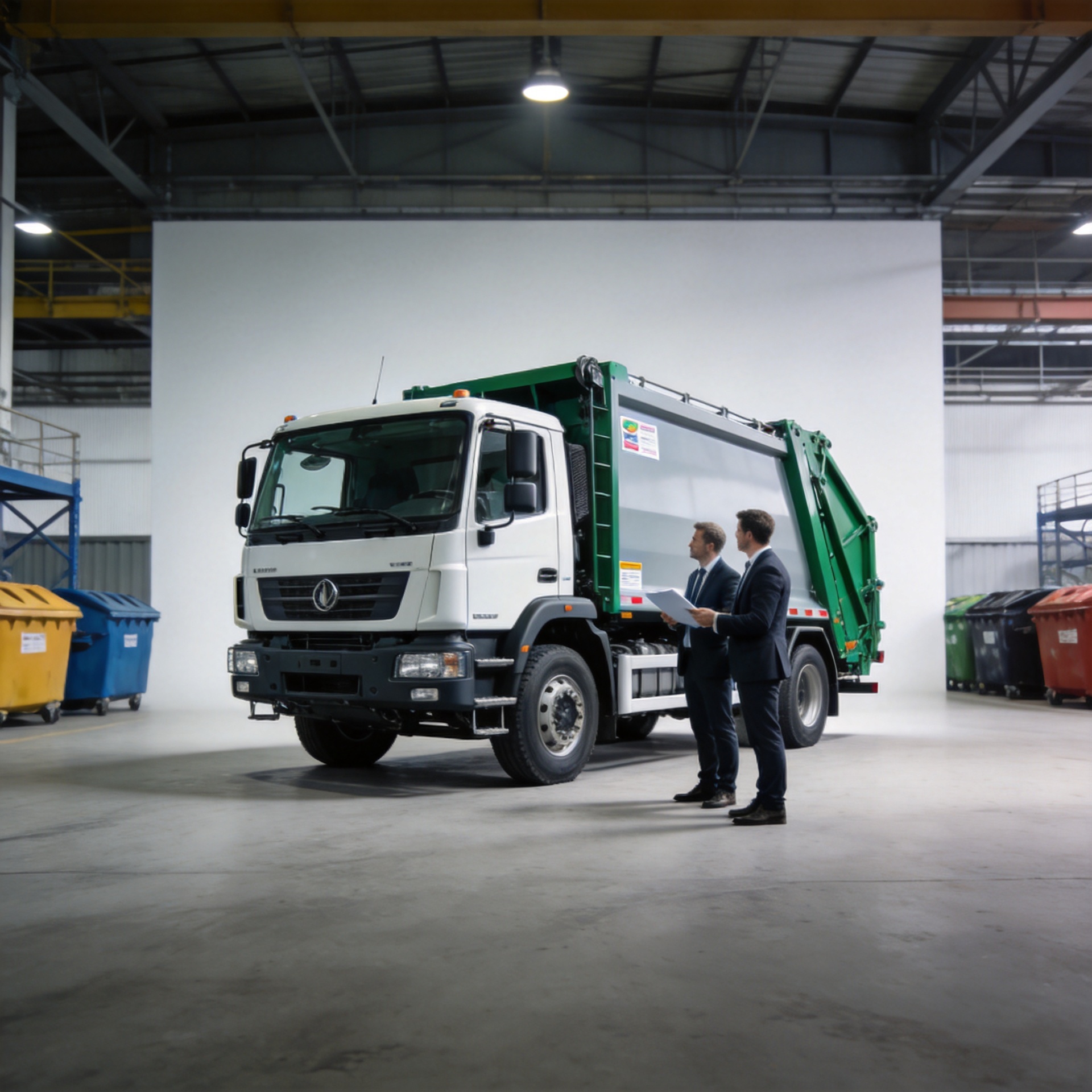
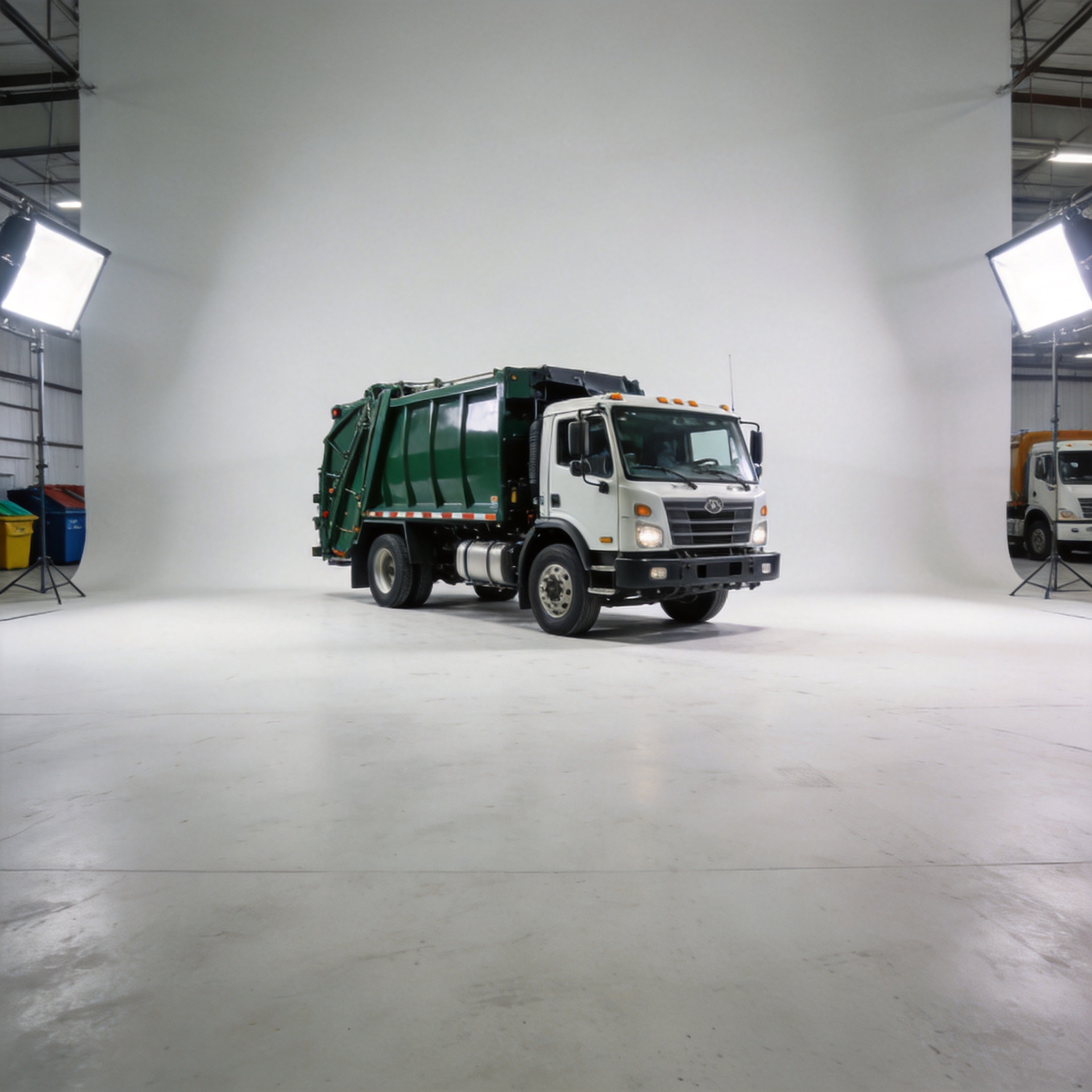
One available example is the HOWO 6×4 20 cbm Compactor Garbage Truck with PLC Hydraulic System Rear Loading Rubbish Waste Management Vehicle. Its listed configuration identifies a 6×4 chassis layout, a 20 cbm compactor body, rear loading, and a PLC hydraulic system. Those facts may make it a useful starting point for a buyer evaluating higher-volume rear-loading collection work.
They are not, however, enough to approve a purchase. Ask for the final chassis and body specification, payload and axle-load calculation, operating video or factory test evidence, included accessories, spare-parts list, warranty scope, delivery terms, and destination-market documentation. If the containers, route widths, or local registration rules do not match this configuration, a different body size or handling system may be more appropriate. The supplier’s garbage container truck quotation should identify each variation clearly.
Evaluate total operating cost and local support
It is reasonable to compare purchase prices first, but a low initial price may not produce the lowest operating cost. A garbage container truck works through repeated loading cycles, which makes hydraulics, seals, wear points, electrical controls, and parts availability important to uptime. Build a simple comparison that includes quoted price, shipping and import costs, planned spares, expected maintenance intervals, operator training, warranty response, and likely downtime exposure.
Local conditions matter just as much. Road surfaces, fuel quality, ambient temperatures, workshop capabilities, and driver familiarity can change which configuration is practical. A feature that looks advanced on a static specification sheet may be less valuable if crews cannot service it or if replacement parts require long lead times. Request an itemized recommended-spares package and clarify whether technical drawings, remote troubleshooting, and training are included.
Use a disciplined supplier and factory-review process
Before placing an order, move the discussion from marketing claims to traceable evidence. A capable special-vehicle supplier should be able to explain the chassis source, body manufacturing process, hydraulic components, inspection points, export packing approach, and documents available for the selected destination. CLW’s merchant profile indicates a focus on special-purpose vehicles, experience serving international markets, and the ability to coordinate different chassis options; buyers should still validate those points against the final garbage container truck quotation and order documents.
- Send the operating profile and container drawings with the enquiry.
- Request a line-by-line technical offer and clearly identify included versus optional equipment.
- Check weight, dimensional, interface, and regulatory assumptions before contract signing.
- Agree on pre-delivery inspection criteria, test evidence, documentation, and spare-parts scope.
- Train operators and maintenance staff before the truck enters full service.
Make the decision on verified fit
The right garbage container truck is the one that fits the actual container fleet, waste stream, route, payload limits, and service resources. Start with the work to be done, choose the handling architecture, verify the technical and legal assumptions, and require evidence before acceptance. This approach gives commercial buyers a more reliable basis for comparing rear-loading compactors, container carriers, hooklifts, and roll-off systems—and for selecting a supplier that can support the vehicle after delivery.