EN

What Is a Pumper Fire Truck and When Is It Used?
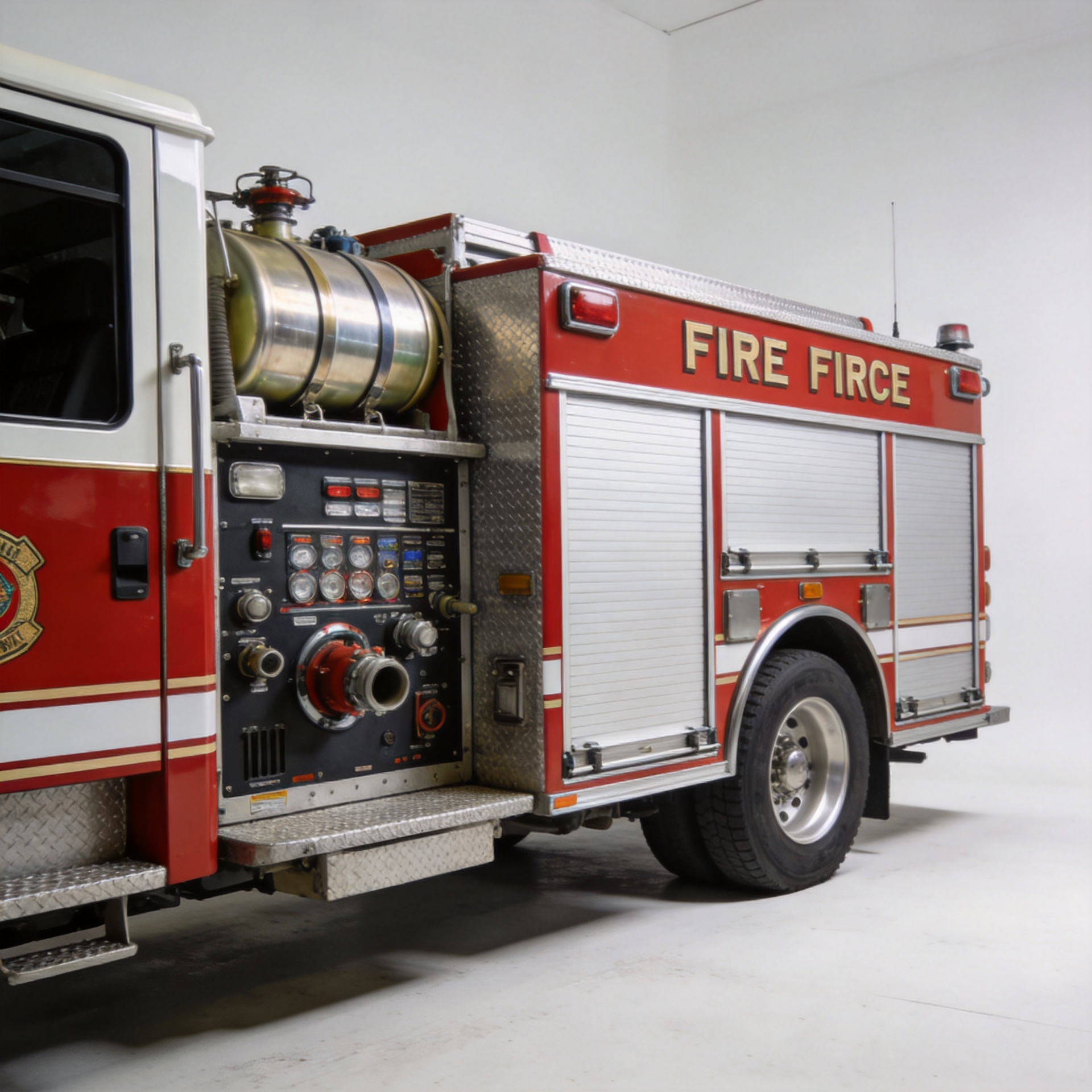
When an emergency crew needs to turn a water source into usable fire streams quickly, the pumper fire truck is often the apparatus that makes it happen. Sometimes called a fire engine or pumper, it combines a vehicle-mounted fire pump, hose connections, controls, and usually an onboard water tank. Its job is not simply to carry water. It is to take water from the truck tank, a hydrant, a draft source, or another supply vehicle and deliver it at controlled pressure to the attack lines.
From a fire-engineering perspective, the useful question is not whether a pumper fire truck has the highest number on a specification sheet. The key question is whether the pump, water source, hose layout, crew workflow, and incident conditions work as one system. That distinction matters in a compact city street, an industrial yard, or a rural area with limited hydrant coverage.
What does a pumper fire truck do?
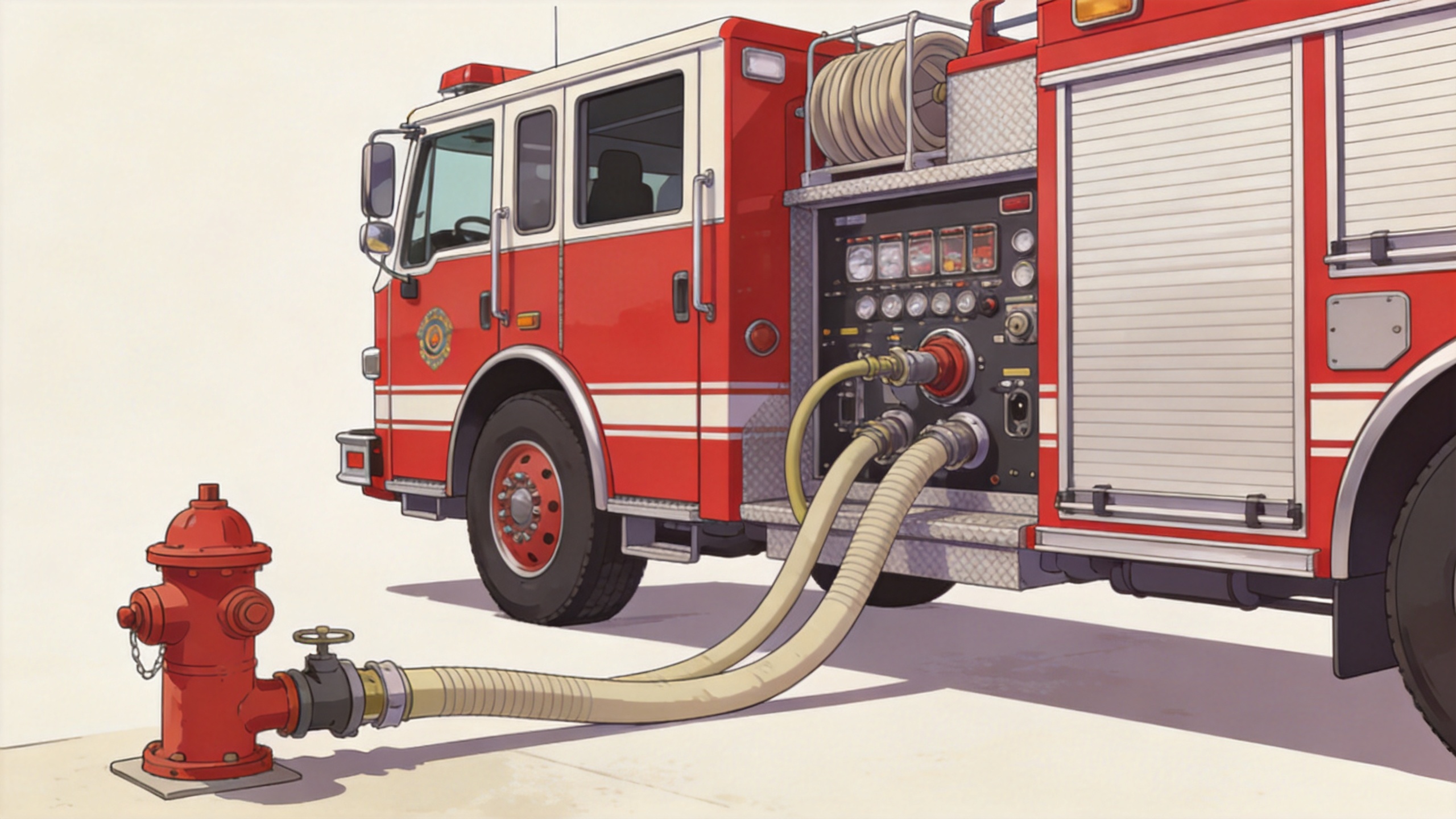
A pumper fire truck is a response vehicle designed to establish and manage firefighting water flow. In a typical operation, the crew positions the vehicle, selects an available water source, engages the pump, connects hose lines, and adjusts pressure for the required firefighting task. The truck may begin with its own tank water, then transition to a hydrant or another sustained source when the incident requires continued flow.
Think of the fire pump as the force that moves water through the operation. The tank provides an immediate reserve, while the pump and plumbing make that reserve—or an external source—usable at the nozzle. Long hose runs, elevation changes, fittings, and simultaneous lines all affect the pressure available at the point of use. That is why a pumper fire truck should be considered part of a water-delivery system rather than a standalone tank on wheels.
- Fire pump: draws, boosts, and directs water through discharge outlets.
- Water tank: supplies an initial volume when crews arrive before an external source is connected.
- Intake and discharge connections: link the vehicle to hydrants, relay lines, draft sources, and attack hoses.
- Controls and gauges: help the operator manage pressure, flow, and pump operation.
- Hose and equipment storage: keeps essential connections and hand lines ready for deployment.
How a pumper fire truck supplies water at an incident
Most incidents begin with a simple priority: get a dependable stream of water where it is needed without interrupting crew operations. A pumper fire truck can start from its onboard tank for a rapid initial response. When a hydrant is available, the crew can establish a supply line so the pump has an ongoing source. Where a hydrant is not available, a pumper may draft from a suitable open-water source or receive water from tankers in a shuttle or relay operation.
Many people assume that a larger rated flow automatically produces better firefighting results. In reality, effective water application also depends on nozzle selection, hose friction loss, elevation, pump operation, and the available source. Flow capacity is necessary, but it is not the whole firefighting picture. A well-matched pumper fire truck gives the operator enough control to adapt the delivery method to the incident.
For readers comparing apparatus categories, a tanker primarily moves water to the scene; a pumper fire truck is built to pump and distribute water. The two vehicles can work together, especially in rural or suburban response areas. The tanker extends the water supply, while the pumper manages the attack lines and the pressure needed for the fireground operation.
Where is a pumper fire truck used?
The pumper fire truck is one of the most versatile fire apparatus types because its core function—controlled water delivery—applies across many incident environments. The right configuration still depends on local roads, water infrastructure, expected call types, and crew practices.
Urban and municipal response
In cities and developed towns, a pumper fire truck commonly connects to hydrants and supports structure-fire response, vehicle fires, and other incidents that require hose lines. Vehicle maneuverability, compartment layout, and rapid pump setup can be as important as tank capacity when access is constrained by traffic, narrow streets, or dense building layouts.
Industrial facilities and logistics yards
Industrial zones, warehouses, ports, and large logistics sites may require a pumper fire truck to support initial suppression, exposure protection, or extended water delivery. Site-specific hazards, available fixed fire protection, and the distance between water points should be assessed before selecting equipment. A high output on paper is not a substitute for verifying how the apparatus will connect and operate at the actual site.
Rural and suburban areas
Where hydrants are limited, the pumper can use its onboard water for the first stage of response and then operate with tankers or a suitable draft source. This is where coordination matters most: water-transfer procedures, connection compatibility, and the travel route for supply vehicles can shape the practical performance of the entire response system.
Multi-vehicle and emergency-rescue deployments
A pumper fire truck also supports broader fire-rescue operations by working alongside tankers, aerial apparatus, rescue vehicles, or portable pumps. Its individual pump performance is only the starting point; coordinated water supply and clear operator procedures determine whether multiple units can work efficiently together.
What should buyers evaluate before choosing one?
Awareness-stage research should lead to a practical checklist, not an immediate model decision. Before comparing specifications, define the expected operating conditions for the pumper fire truck:
- Water sources: Will the vehicle mainly use hydrants, onboard water, tankers, or draft sources?
- Incident profile: Is the priority rapid urban response, industrial protection, rural supply support, or a mix of tasks?
- Access conditions: Can the vehicle safely reach older streets, bridges, gates, steep roads, or soft ground?
- Operating duration: Will incidents require short initial attack capability or sustained supply coordination?
- Training and maintenance: Are operators prepared to manage the pump system, and can service support match the deployment area?
- Applicable requirements: Which local rules, procurement specifications, and relevant fire-apparatus standards apply to the project?
For example, a compact pumper fire truck can be highly effective in dense districts where larger apparatus cannot move easily. Conversely, a larger configuration may make sense when a site needs more onboard resources or longer supply operations. The better choice depends on the mission, not on vehicle size alone.
A practical next step for fire apparatus planning
A pumper fire truck serves as the working center of a fireground water-delivery system. It can provide an immediate water supply, connect to an external source, and distribute controlled streams to crews. Its usefulness spans municipal, industrial, rural, and coordinated emergency-response scenarios—but its final configuration should be matched to real operating conditions.
When reviewing a specific apparatus, ask for a clear explanation of the intended water source, pump arrangement, hose connections, and operating workflow. For an example of a fire-rescue vehicle category available from CLW, see the 4x2 Emergency Fire Rescue Truck with Water Sprinkler Fire Fighting Truck Product. Confirm the final specification, local compliance requirements, and suitability for your planned fire response before procurement.