EN

Pumper Fire Truck Specifications: A Buyer’s Selection Checklist
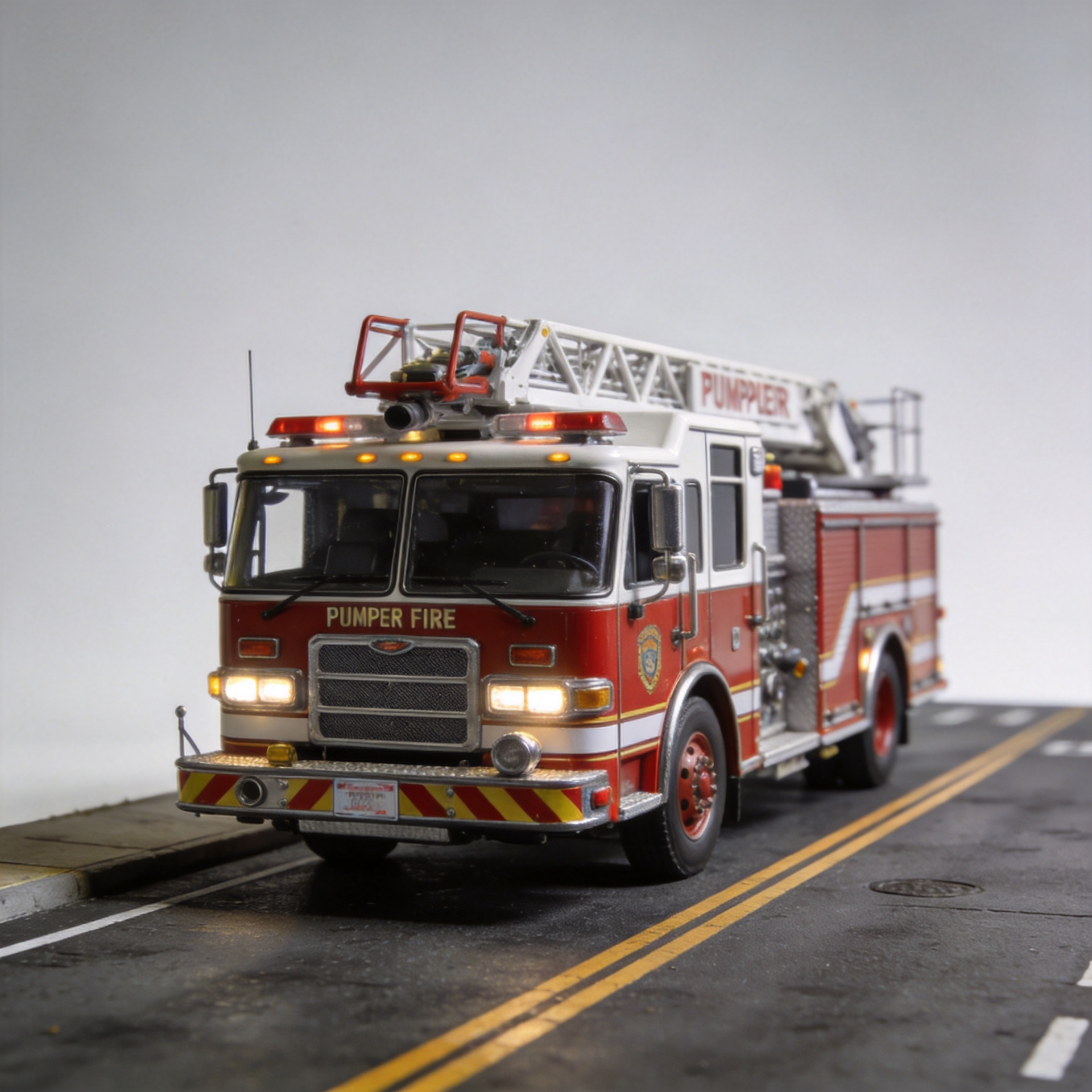
A pumper fire truck is not simply a vehicle with a water tank and a pump. It is a response system that must move people, carry water, connect to an external supply, build pressure, and support crews under demanding conditions. For municipal fleets, industrial sites, contractors, and overseas buyers, the most useful specification is the one that matches the first-arriving mission—not the one with the longest option list.
When reviewing a pumper fire truck, start with the incident profile: structural response, industrial risk, water-limited rural coverage, airport support, or a mixed rescue role. From there, work through pump duty, tank volume, chassis capacity, hose and intake layout, crew access, and serviceability. This checklist keeps those decisions connected.
1. Define the pumper fire truck’s first-response job
Write a short operating brief before comparing quotations. Identify typical hazards, expected travel distance, crew size, available hydrants or static water, road width, terrain, and the equipment that must travel with the crew. A pumper fire truck for a hydrant-rich urban district can prioritize flow, hose deployment, and maneuverability. A unit working where water supply is uncertain may need a larger onboard water reserve and a practical drafting arrangement.
This step also prevents a common mismatch: treating a pumper as a tanker. A pumper fire truck is designed to deliver pressurized water at the scene; a water carrier primarily extends supply. Some fleets combine both roles, but the purchase specification should make the intended balance explicit.
2. Match pump capacity to hydraulic demand, not a headline number
Pump ratings commonly seen in the market include 750, 1,500, 1,750, and 2,000 gpm. A higher-rated pump can be useful, but it does not automatically create a better pumper fire truck. The appropriate rating depends on expected hose lines, master-stream demand, water-source capability, pressure loss, and the simultaneous operations your crews must support.
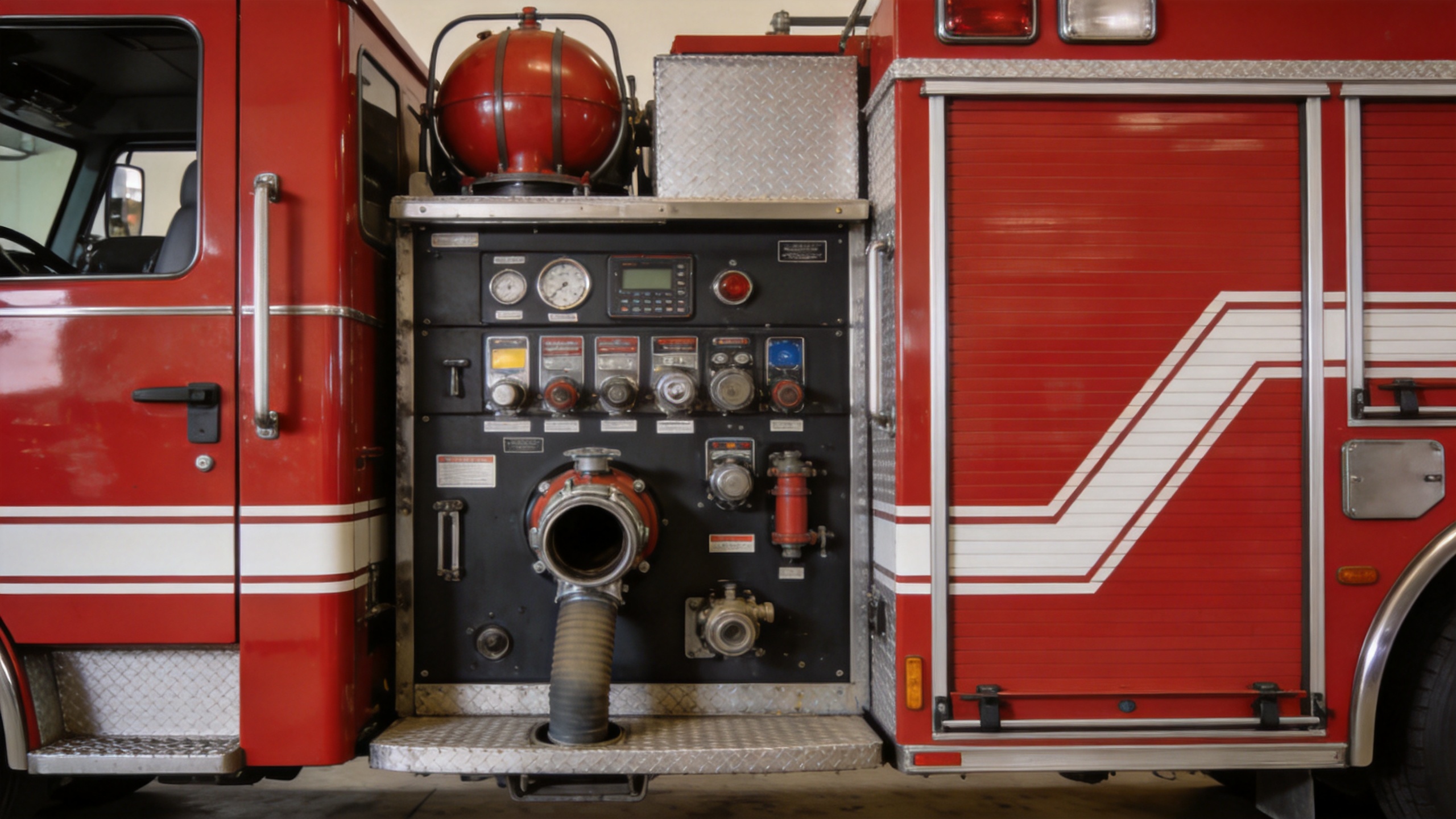
Ask suppliers to show the rated performance curve and the conditions behind it. Confirm the pump type, rated flow, rated pressure, maximum working pressure, priming arrangement, intake size, discharge count, and control-panel instrumentation. Then check whether the plumbing, hose loads, valves, and operational procedure allow that capacity to be used safely in the field.
| Question | Why it matters | What to verify |
|---|---|---|
| What flows must run at the same time? | Prevents an oversized or underspecified pump choice. | Attack lines, supply lines, monitor, foam system, and reserve capacity. |
| What is the normal water source? | Available water can limit usable output. | Hydrant flow, relay supply, drafting conditions, or tender support. |
| How will pump performance be accepted? | Turns a brochure rating into a measurable requirement. | Test method, gauges, test points, documentation, and witness process. |
3. Size the water tank around response time and payload
Tank capacity is a time buffer, not an isolated sales feature. Reference guidance for some structural-engine classifications cites a 300-gallon minimum, while common municipal engine configurations may carry roughly 400 to 500 gallons. Water-limited, rural, or mixed pumper-tanker operations can require much larger reserves. Local rules and the adopted standard take priority over these examples.
For each pumper fire truck proposal, calculate how long the onboard tank supports the initial attack at the expected discharge rate. Also assess what the water weight does to gross vehicle weight, axle loading, braking, suspension, maneuverability, and usable equipment payload. Choose a tank size that supports the mission while leaving a safe, compliant, mission-ready chassis configuration.
4. Treat the chassis and body as part of the fire pump system
Chassis selection affects more than driving comfort. Confirm engine power, transmission or PTO compatibility, wheelbase, turning circle, axle ratings, tire specification, gradeability, and electrical capacity against the loaded fire apparatus. The body layout should give crews secure access to the pump panel, hose beds, compartments, ladders, and roof equipment while maintaining safe egress.
For export or multi-market projects, document road-side driving requirements, climate conditions, fuel availability, service-network access, and destination-country rules early. A chassis that works well on one road network may be a poor fit for narrow streets, unpaved approaches, hot climates, or limited maintenance infrastructure.
5. Specify water movement, intake, and hose workflow
A pumper fire truck is only productive when the crew can establish and manage water flow quickly. Review suction inlets, discharge outlets, valve labeling, hose routing, booster reel needs, drain points, foam provisions if required, and protection of exposed components. Make the pump panel readable with gloves on and under low-light conditions.
Drafting capability deserves a practical review. If the truck may draw from ponds, tanks, or open water, verify the primer, suction hose storage, strainer, connection sizes, and the operating sequence. Do not specify a feature just because it appears in a catalogue; specify the conditions in which it must work and how acceptance will demonstrate that performance.
6. Build compliance and acceptance testing into the purchase file
Standards for new fire apparatus evolve, and local authorities may adopt different editions or add project-specific requirements. Rather than relying on a broad statement of compliance, list the exact standard edition, local regulations, documentation, inspections, and tests that apply to this procurement. Require the supplier to identify any exceptions in writing.
Before shipment, use a factory acceptance checklist covering dimensional drawings, weight distribution, pump test records, water-tank certification, electrical tests, lighting and warning systems, compartment inventory, finish quality, manuals, spare parts, and training. A clear acceptance plan makes it easier to compare bids on the same basis and reduces disagreements after delivery.
7. Compare suppliers on lifecycle readiness
Price is only one part of the decision. Compare engineering clarification, chassis-source flexibility, documentation quality, spare-parts support, warranty terms, operator training, and the ability to adapt the body and equipment layout to the stated mission. Confirm what is included and what remains an option so that one quote is not mistakenly compared with a more complete proposal.
For buyers seeking a reference point for a compact emergency configuration, review the available 4x2 emergency fire rescue truck with water sprinkler fire-fighting configuration. The final specification should still be confirmed against your water supply, crew, road conditions, and applicable compliance requirements.
Final pumper fire truck selection checklist
- Define the primary response mission and first-arrival operating scenario.
- Set pump flow and pressure requirements from hydraulic demand and water supply.
- Choose tank capacity with response duration, payload, and axle limits in view.
- Verify chassis, PTO, body layout, access, and equipment loads as one system.
- Detail intakes, discharges, hose workflow, drafting, and controls.
- State the applicable standard edition, local rules, tests, and acceptance documents.
- Evaluate lifecycle support, parts, training, and delivery scope before award.
A well-specified pumper fire truck gives the crew a predictable platform for response. Use this checklist to turn broad requirements into measurable acceptance points, then ask each supplier to respond against the same technical schedule.