 EN
EN


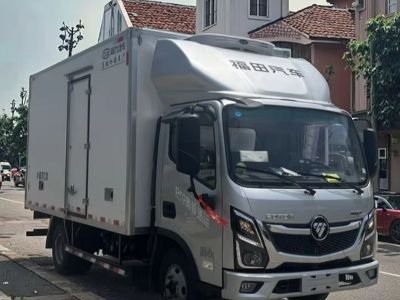
When every second counts, getting to the scene quickly and safely is extremely important for firefighters. Think of a fire truck—it is a large, heavy vehicle that carries a lot of water, equipment, and an entire crew. Now imagine driving that large truck through narrow city streets, around tight corners, or into crowded areas where a fire has occurred. It can be a real challenge, right? This is where truck design makes a big difference. At CLW, we know that traditional approaches are not always the best. We have seen how the size and shape of a fire engine affect how quickly it can arrive, especially when every moment is critical. That is why we spend time thinking about how to make our firefighting vehicles more effective, not just in what they carry but also in how they move
A Wholesale Advantage
The length of a fire engine tiler truck, especially the wheelbase between the front and rear wheels, plays a huge role in handling. Imagine a long, stiff ruler versus a shorter, more flexible one—the shorter one is easier to turn in tight spaces. Short-wheelbase fire engines, like CLW units, are built with this in mind. Because the wheels are closer together, the truck can make sharper turns. This is a game-changer in busy urban areas where streets are narrow, buildings are close together, and parked cars are everywhere. When an alarm sounds, the goal is to reach the scene as quickly as possible. A standard engine may need to slow down or stop for turns, adding valuable minutes to response times. However, a short-wheelbase truck can navigate turns faster and more efficiently. It is like comparing a race car to a bus on a tight track—the race car is designed for agility, and that is what a short-wheelbase truck offers. It is not just easier for the driver; it also helps firefighters reach people faster. CLW understands that quick access to a fire scene, even in difficult locations, is essential to supporting emergency operations. We have seen how trucks that cannot enter tight alleys can become obstacles themselves. That is why we build our vehicles with excellent maneuverability, giving firefighters the tools they need to overcome challenges. This wholesale advantage affects every stage of the response, from dispatch to getting hoses in place. A smaller turning radius means fewer complicated maneuvers, reducing the risk of accidents involving the truck, nearby vehicles, and pedestrians. This safety benefit is often overlooked. In addition, when a fire is spreading rapidly, the seconds saved can mean the difference between a minor incident and a major disaster. CLW is committed to building units that are powerful, fully equipped, and agile enough to provide an advantage. We listen to firefighters, understand their challenges, and design our trucks to be effective solutions
How Short-Wheelbase Fire Trucks Boost Emergency Response
The impact of a short wheelbase goes beyond making sharp turns. A shorter distance between the front and rear axles creates a tighter turning radius. Picture a standard fire engine needing a wide area to maneuver, sometimes even requiring it to back up in dense cities, older towns with winding streets, or industrial areas with limited space. For firefighters, arriving quickly is critical. Delays caused by difficult navigation waste valuable time, allowing fires to grow and increasing the risk to people. A CLW short-wheelbase truck and Truck Mounted Crane can move through these areas more easily and reach the scene faster, allowing crews to begin work sooner. Imagine a fire in a narrow street with parked cars on both sides—a long truck may struggle or become stuck, while a shorter truck can handle the situation much better. This maneuverability also helps when accessing difficult locations such as back alleys. It is not just convenient; it is a tactical advantage that allows equipment to be deployed more efficiently. We know that every second counts. Fires spread rapidly, and the sooner hoses are in operation, the better the outcome is likely to be. That is why we build trucks that are powerful, reliable, and highly maneuverable. Agility leads to faster response times and more effective operations. In addition, improved turning ability enhances safety for both the public and emergency crews by reducing the risk of collisions and property damage. It also gives crews greater confidence while operating. We consider a wide range of conditions, including heavy traffic, where a more maneuverable truck can navigate more effectively and reduce travel time. These vehicles are more than just transportation; they help firefighters perform at their best under pressure. CLW’s dedication comes from understanding the challenges first responders face and providing them with tools that support effective, safe, and rapid missions. It is a competitive advantage in the race against time
Hot Topic for Fire Departments
Firefighters are heroes, and fire trucks are their trusted partners. When an alarm sounds, every second matters. Fire departments are always looking for ways to help their trucks reach emergency scenes quickly and safely. One major topic of discussion is truck size. Imagine trying to drive a huge truck through a narrow street with cars parked on both sides. It is challenging, right? That is why some departments are considering smaller trucks, including shorter models from CLW. These vehicles can make a significant difference in responding to fires more quickly and reaching places where larger trucks may struggle. It is like choosing the right tool for the job—a tight space requires a smaller tool. The same principle applies to fire trucks. They need to reach people who need help, regardless of location. The discussion is ultimately about helping firefighters do their jobs better and protecting communities more effectively
Wholesale Benefits of Compact Fire Engines
Think about the difference between a small car and a large truck. Which one is easier to park? Which one can move through traffic more efficiently? This is the basic reason why shorter fire engines from CLW are so useful. Compact fire engines have a shorter wheelbase, meaning the distance between the front and rear wheels is reduced. This makes them more agile, much like a dancer who can spin and move easily. They can navigate sharp corners and fit into tight spaces. This is especially important in busy cities with narrow and crowded streets. Sometimes, a standard fire truck cannot get close enough to a fire because of restricted access. A shorter CLW fire engine can maneuver more effectively, allowing water and equipment to reach the scene faster. Faster response times can make a major difference in controlling fires and protecting people. These trucks help ensure that emergency crews can reach incidents regardless of obstacles
Short vs. Standard Fire Trucks
When comparing CLW short-wheelbase fire trucks and mini sweeper truck with standard fire trucks, the differences are clear. Standard trucks are usually longer and have a wider turning radius, meaning they require more space to maneuver, much like a long bus that needs a large turning circle. A short-wheelbase truck is more like a compact car, capable of making sharper turns in less space. This is a major advantage in crowded areas or on winding roads. For example, if a fire occurs on a narrow street lined with parked cars, a standard truck may struggle to get close enough and might need to park farther away, causing delays. A CLW short-wheelbase truck can often get much closer and allow firefighters to begin work sooner. Quick access is one of the main reasons why many fire departments consider compact fire engines. Standard trucks are still valuable because they can carry large amounts of equipment, but short-wheelbase models provide faster access and greater flexibility in a variety of locations.