 EN
EN


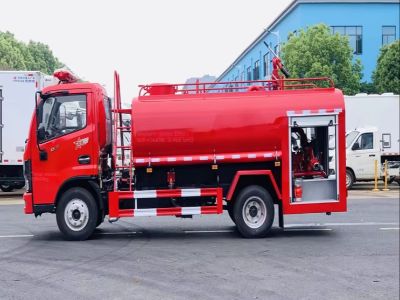
Fire engines are large vehicles that help firefighters respond to emergencies quickly. The design of these trucks matters a lot, especially the wheelbase. The wheelbase is the distance between the front and back wheels. A good wheelbase ratio helps the fire engine stay more stable while driving, especially during quick turns or over bumps. If the ratio is not correct, the fire engine can tip over or lose control. That is why companies like CLW work hard to improve their fire engine chassis wheelbase ratios
What Common Problems Come from a Bad Wheelbase Ratio in Fire Engines
When the wheelbase ratio on a fire engine is not balanced, it can cause many issues. One major problem is instability. Imagine driving a huge truck that feels wobbly. A wheelbase that is too short can make the vehicle tip over more easily, and that is not safe when firefighters need to rush to emergencies. Another issue is poor handling. A fire engine might slide or roll over if it turns too quickly, making it difficult to reach the emergency scene. In addition, a poor wheelbase ratio can lead to uneven tire wear because the weight is not distributed evenly. As a result, some tires wear out faster than others, increasing the risk of flat tires and other safety concerns. Firefighters need reliable trucks, so this is a major concern. Poor handling can also delay arrival at a fire or accident scene. No one wants the truck to fail when every second counts. CLW understands these challenges and designs fire engines with the proper wheelbase ratio, always putting firefighter safety first
How Does the Wheelbase Ratio Affect Fire Engine Handling and Safety
The wheelbase ratio has a significant impact on how a fire engine handles on the road. A well-balanced wheelbase improves steering and overall stability. For example, a longer wheelbase provides a smoother ride over bumps and rough roads, helping firefighters stay safe and focused. A shorter wheelbase can make it easier to maneuver in tight spaces, but it also increases the risk of tipping over. Finding the right balance is essential. A good wheelbase heavy rescue fire truck ratio allows the fire engine to drive smoothly while still making sharp turns when necessary. Safety is critical for firefighters responding to emergencies. A stable truck protects the crew and allows them to perform their duties more effectively. Good handling also enables quick changes in direction during emergencies, which can help save lives. CLW continually works to improve the wheelbase ratio of its fire engines to enhance both safety and performance
Benefits of a Good Wheelbase for Fire Truck Stability
A fire truck is a key vehicle that allows firefighters to work safely and effectively. The wheelbase, or the distance between the front and back wheels, plays a major role in vehicle stability. When optimized properly, it makes the truck much steadier and less likely to tip over during sharp turns or on uneven roads. A stable fire truck can respond quickly to emergencies without the risk of losing control. For example, when racing down a narrow street to a fire, a short wheelbase may cause the truck to sway and increase the risk of tipping over, creating a dangerous situation. A well-designed wheelbase fire engine tiler also allows the fire truck to carry heavy loads more safely. Fire trucks transport hoses, water, and other essential equipment, so stability under load is very important. It also improves performance on different road surfaces, whether smooth or rough, helping the truck arrive at the scene more efficiently. Finally, an optimized wheelbase enhances comfort for firefighters inside the vehicle. A smoother ride allows them to focus on their mission instead of maintaining balance. Overall, a good wheelbase ratio is essential for CLW fire trucks to ensure safety and efficiency
How to Evaluate a Fire Engine Chassis for the Best Wheelbase Ratio
To ensure a fire engine is safe and reliable, evaluating its wheelbase ratio is important. First, the chassis is the frame that supports the engine and wheels. Evaluating it begins by measuring the distance between the front and rear wheels to determine how stable the vehicle will be. Next, examine the chassis design. A good design includes features that improve balance. A chassis that is too long may be difficult to turn, while one that is too short may tip over more easily. The ideal wheelbase ratio depends on the type of fire truck. Large ladder trucks and fire engine truck usually require a longer wheelbase for added stability, while smaller trucks benefit from a shorter one for better maneuverability in tight spaces. Another way to evaluate a chassis is by testing it on different types of terrain, such as paved roads, dirt roads, and hills. This helps determine whether it remains stable under various conditions. It is also important to check weight distribution to ensure the truck can safely carry equipment. Too much weight at the rear can reduce front-wheel traction and create safety risks. Finally, feedback from firefighters who regularly use the trucks is valuable. Their real-world experience can provide insight into how the vehicle performs during emergencies. CLW considers all of these factors when designing chassis with the best wheelbase ratio for stability and performance
How Does the Wheelbase Ratio Affect Fire Engine Lifespan and Reliability
The wheelbase ratio does more than improve stability—it also affects how long a fire engine lasts and how reliable it is. A well-balanced wheelbase handles different driving conditions more effectively and places less stress on the vehicle's components. For example, a short wheelbase may cause excessive swaying or increase the risk of tipping, which leads to faster wear on the tires and suspension system. Over time, this can result in costly breakdowns and dangerous situations during emergencies. A good wheelbase ratio distributes weight evenly, allowing tires to wear at the same rate and reducing strain on the engine. This can improve fuel efficiency and extend the truck’s service life while reducing maintenance costs. CLW understands that fire trucks must always be ready to respond, making reliability a top priority. In addition, a well-designed chassis makes maintenance easier by providing quicker access to important components. This allows firefighters and maintenance crews to spend less time on repairs and more time preparing for emergencies. In short, an optimized wheelbase ratio is important not only for stability but also for the lifespan and reliability of fire engines. CLW invests in durable designs to ensure its trucks can serve communities safely and effectively for many years.
Table of Contents
- What Common Problems Come from a Bad Wheelbase Ratio in Fire Engines
- How Does the Wheelbase Ratio Affect Fire Engine Handling and Safety
- Benefits of a Good Wheelbase for Fire Truck Stability
- How to Evaluate a Fire Engine Chassis for the Best Wheelbase Ratio
- How Does the Wheelbase Ratio Affect Fire Engine Lifespan and Reliability